
Missing teeth can change more than your smile. They can affect the way you eat, speak, and feel in social settings. For many adults, full-arch implants offer a fresh start, but one factor often determines how successful the treatment can be: bone density.
Bone density plays a major role in how well dental implants stay secure over time. Strong bone helps support implants and allows them to integrate naturally with the jaw. If bone volume is low, the treatment plan may need a more personalized approach.
Why Bone Density Matters in All-on-4 Implant Treatment
When patients explore All-on-4 Implant Treatment, one of the first things evaluated is the condition of the jawbone. Dental implants rely on healthy bone for support. Without enough density, implants may struggle to remain stable for the long term.
Bone naturally shrinks after tooth loss. The longer the teeth remain missing, the more bone can deteriorate. This is why many patients are surprised to learn that timing matters when considering implant care.
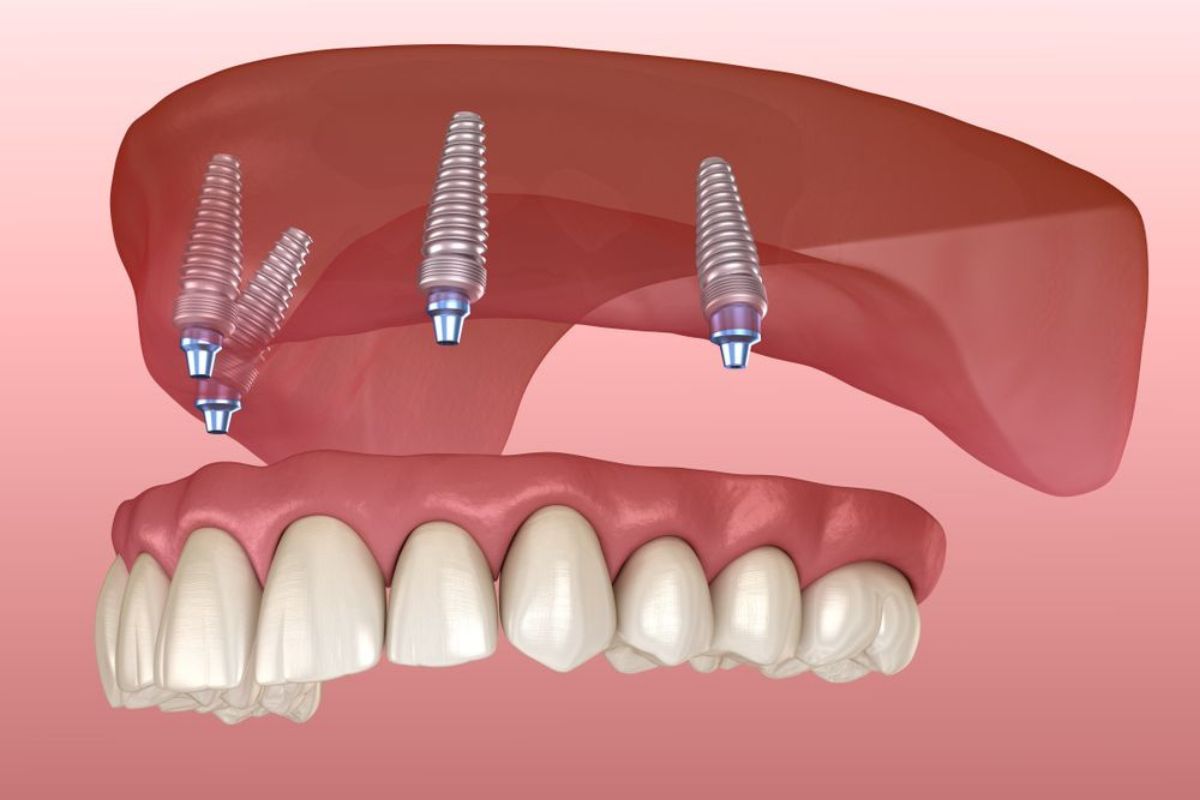
Dentists use advanced imaging to examine the jaw and determine whether the bone can properly support implants. In many cases, the back implants are strategically placed at an angle to maximize existing bone structure. This approach often reduces the need for extensive preparatory procedures.
Signs Bone Density May Be Lower Than Expected
Bone loss is not always visible. Many people do not realize changes are happening beneath the gums until a dental evaluation reveals them.
Some common indicators include:
• Loose dentures that no longer fit comfortably
• Sunken facial appearance around the mouth
• Difficulty chewing certain foods
• Gum recession in areas with missing teeth
• Teeth shifting over time
These symptoms do not automatically rule out implant treatment, but they can influence the planning process.
How Dentists Evaluate Bone Strength
Modern implant planning goes far beyond a standard dental exam. Detailed digital scans allow dentists to assess bone thickness, density, and overall jaw health with precision.
During the evaluation process, your dental team may focus on:
• Bone height and width
• Areas of bone deterioration
• Gum health and oral stability
• Bite alignment and jaw function
• Existing teeth that may affect implant placement
This information helps create a treatment plan tailored to your specific anatomy rather than a one-size-fits-all approach.
Can Patients With Low Bone Density Still Get Implants?
Yes, many patients with reduced bone density still qualify for implant treatment. Every case is different, and advancements in implant dentistry have significantly expanded treatment options.
Depending on the severity of bone loss, dentists may recommend:
• Strategic implant placement techniques
• Bone grafting in select areas
• Specialized implant designs
• A staged treatment approach for improved healing
The goal is to create a stable foundation that supports comfort, function, and long-term results.
The Long-Term Benefits of Healthy Bone Support
Strong bone support does more than hold implants in place. It also helps maintain facial structure and overall oral function.
Patients with healthy bone support often experience:
• Better chewing strength
• Improved speech clarity
• Greater implant stability
• More natural facial contours
• Increased confidence in daily life
Dental implants also stimulate the jawbone during chewing, which can help reduce future bone loss compared to traditional removable dentures.
Everyday Habits That Help Protect Bone Health
Bone health is connected to overall wellness. Certain lifestyle habits can support stronger bone structure before and after implant treatment.
Helpful habits include:
• Maintaining good oral hygiene
• Eating calcium-rich foods
• Avoiding tobacco products
• Attending routine dental visits
• Managing conditions that affect bone health
Consistent care plays an important role in preserving implant success for years to come.
Experience Modern Implant Treatment in Silverdale
Bone density plays an important role in the long-term success of full-arch dental implants. A strong, healthy jawbone supports daily comfort, improved function, and long-lasting implant stability. Understanding your bone health early can help create a treatment plan that fits your needs and supports better results over time.
At Clear Creek Dentistry, our team focuses on personalized care designed around your oral health goals. Visit our dental office in Silverdale to learn more about advanced implant solutions and discover the right path toward restoring comfort, confidence, and everyday function.
FAQs About Bone Density and Implants
1. Does bone density affect implant success?
Yes, bone density is one of the most important factors in implant success. Dental implants need strong and healthy bone to remain stable and integrate properly with the jaw. When bone support is sufficient, implants generally feel more secure and function more naturally over time.
2. Can bone loss happen after tooth extraction?
Bone loss can begin soon after a tooth is lost or extracted because the jawbone no longer receives stimulation from the natural tooth root. Over time, this may cause the bone to shrink or weaken in certain areas. Early treatment can help reduce the impact of bone deterioration.
3. Is bone grafting always required for low bone density?
Not every patient with low bone density requires bone grafting. In many cases, dentists can use advanced implant placement techniques to work with the available bone structure. The need for grafting depends on the amount of bone loss and the patient’s overall oral health.
4. How do dentists check bone density?
Dentists typically use digital imaging and three-dimensional scans to evaluate bone density before implant treatment. These scans provide detailed information about bone thickness, strength, and overall jaw structure. This helps create a more accurate and personalized treatment plan.
5. Are dental implants stronger than dentures?
Dental implants are fixed directly into the jawbone, which often makes them feel more stable than removable dentures. Many patients notice improved chewing ability and greater comfort during daily activities. Implants also help support the jawbone, unlike traditional dentures.
6. Does age affect bone density for implants?
Age alone does not determine whether someone qualifies for dental implants. Overall bone health, gum condition, and general oral health are far more important factors. Many adults of different age groups successfully receive implants with proper evaluation and care.
7. How long do implants last with proper bone support?
With strong bone support and consistent oral care, dental implants can last for decades. Regular dental visits, healthy habits, and good oral hygiene all contribute to maintaining implant stability over the long term.
Recent Posts
All on 4 Implants in Silverdale: What the Treatment Planning Process Looks Like
Choosing a full-arch tooth replacement is a major decision. Patients considering All on 4 implants in Silverdale often want to know more than whether the treatment can replace missing teeth—they want to understand how the dental team plans the procedure and what happens before surgery begins. All-on-4 is designed to support a full arch of replacement teeth using four strategically ...
All-on-4 Implants in Silverdale: Are You a Good Candidate?
Replacing an entire arch of missing or severely damaged teeth is a major dental decision. For some patients, All-on-4 implants in Silverdale may offer a fixed alternative to conventional removable dentures. But having missing teeth does not automatically mean All-on-4 is the right treatment. A good candidate needs more than a desire for permanent-looking teeth. The dentist must consider oral ...
Are You a Good Candidate for Dental Implants in Silverdale?
Losing one or more teeth can affect much more than your smile. It can change the way you chew, speak, and feel about your appearance. Fortunately, dental implants have become one of the most reliable and long-lasting solutions for replacing missing teeth. If you’re researching dental implants Silverdale, one of the first questions you may have is whether you’re a ...
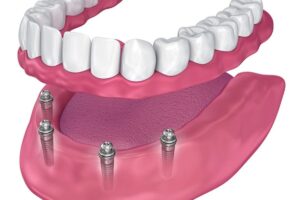
Post-Procedure Care Tips for All-on-4 Dental Implants
A full smile makeover is life-changing, and All-on-4 dental implants are among the most reliable solutions for patients seeking permanent tooth replacement. But the journey doesn’t end once the implants are in place. Proper post-procedure care is essential to ensure your new teeth heal well and last for years. Knowing how to take care of your implants from day one ...
Recent Posts
How to Choose a Dentist in Silverdale, WA
Finding a dental practice you feel comfortable visiting is an important part of maintaining your oral health. Whether you need a routine checkup, want to address a dental concern, or are exploring treatment options, choosing the right dentist can make it easier to stay consistent with your care. For individuals and families in Silverdale, WA, understanding what to look for
Emergency Dentist in Silverdale: What to Do During the First Hour
Dental emergencies rarely happen at a convenient time. A tooth can break while eating dinner. A child can fall and injure a front tooth. Severe dental pain can appear overnight. A filling or crown can come loose just before an important meeting. When something goes wrong, knowing what to do in the first hour can help protect the tooth and