
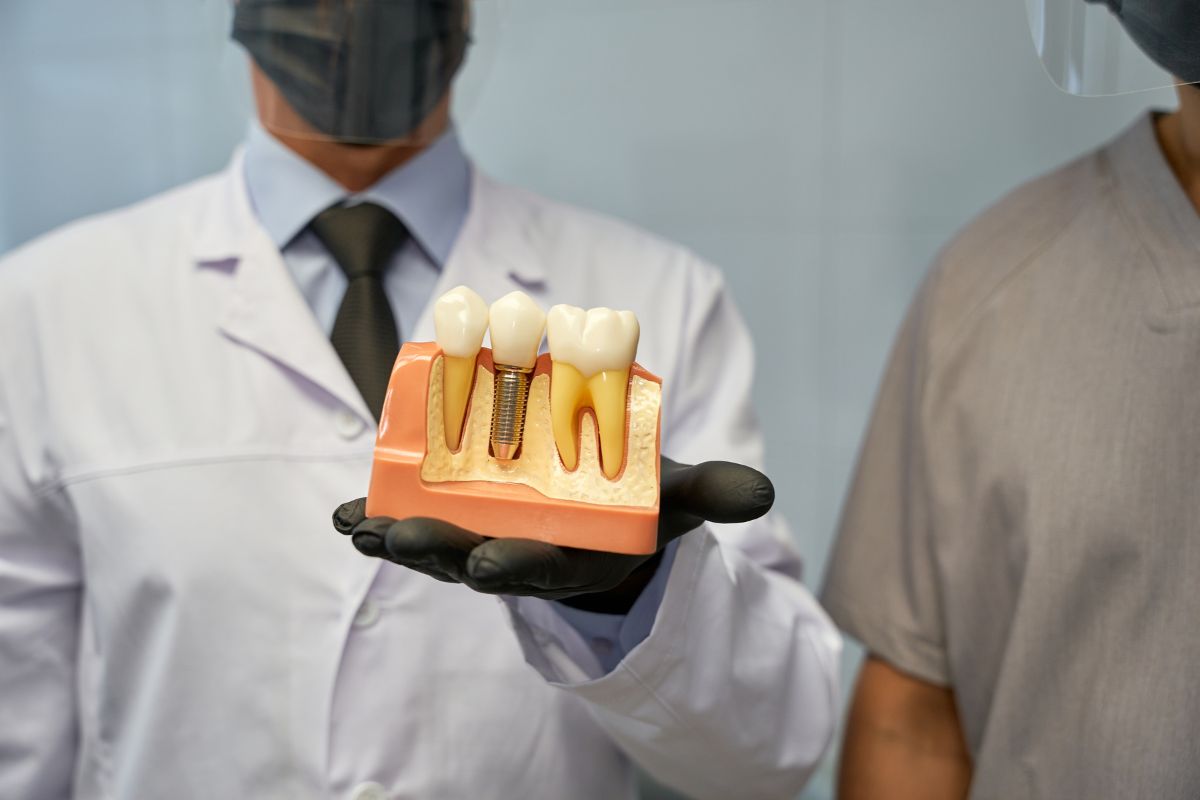
Replacing a missing tooth can feel like a fresh start. You can smile confidently, enjoy your favorite foods again, and stop worrying about gaps in your smile. But once your implant treatment is complete, a common question arises: can dental implants get cavities?
The short answer is no. An implant cannot develop a cavity the way a natural tooth can. However, that does not mean it is maintenance-free. Problems can still develop around an implant if oral hygiene is neglected. Understanding the difference can help you protect your investment and keep your smile healthy for years to come.
Can Dental Implants Get Cavities?
Unlike natural teeth, dental implants are made from materials that cannot decay. The implant post is typically made of titanium, and the visible restoration is often crafted from durable ceramic or porcelain. Since no natural tooth structure is involved, cavities cannot form on the implant itself.
That said, the gums and supporting bone around the implant remain vulnerable to bacteria. If plaque builds up around the implant, it can lead to inflammation and infection that may threaten the stability of the restoration.
Why Implant Care Still Matters
Many people hear that implants cannot get cavities and assume they require less care than natural teeth. In reality, implants need consistent maintenance to remain healthy.
Here are a few reasons why oral hygiene remains essential:
- Plaque can accumulate around implant restorations.
- Gum inflammation can develop if bacteria are not removed.
- Bone loss around the implant can occur over time.
- Untreated infection may affect the implant’s long-term success.
An implant may not decay, but the tissues supporting it can still experience serious problems if proper care is ignored.
What Is Peri-Implant Disease?
Peri-implant disease is one of the most common complications associated with implants. It occurs when harmful bacteria accumulate around the implant site.
The condition generally develops in two stages:
Peri-implant mucositis is the early stage. The gums become red and swollen and may bleed when brushing or flossing.
Peri-implantitis is the more advanced stage. The infection spreads deeper, affecting the bone that supports the implant.
Early intervention is important because peri-implant mucositis can often be reversed, while advanced peri-implantitis may require more extensive treatment.
How Peri-Implant Is Treated
Treatment depends on the extent of inflammation and whether the bone around the implant has been affected. The main goal is to control bacteria, reduce swelling, and protect the remaining bone support. In the early stages, the condition can often be managed with conservative care. More advanced cases may require a deeper level of treatment. A detailed evaluation of the implant area helps determine the right approach for each patient.
Non-Surgical Therapy
Non-surgical treatment focuses on removing plaque and bacterial buildup from around the implant. This usually involves professional cleaning techniques, such as scaling and implant debridement, using instruments designed to safely clean the implant surface. By eliminating the source of irritation, the gum tissue can begin to heal, especially when bone loss is minimal. Regular follow-up visits help monitor progress and ensure the area continues to improve.
Surgical Intervention
If the condition has progressed and affected the bone, surgical treatment may be necessary. This approach allows the dentist to access the implant and surrounding structures more directly, making it easier to remove infected tissue and thoroughly clean the area. In certain situations, bone grafting may be recommended to rebuild lost support and improve long-term stability. Each surgical plan is carefully tailored based on the patient’s oral health and implant condition.
Adjunctive Therapies
Additional therapies may be used to support the healing process alongside primary treatment. These can include antimicrobial rinses or localized antibiotics applied around the implant when needed. While these options help reduce bacteria, they work best when combined with proper cleaning and professional care. Your dentist will decide if these supportive treatments are necessary based on your specific condition.
Signs Something May Be Wrong
Even though cavities are not a concern with implants, there are warning signs you should never ignore.
Watch for:
- Bleeding gums around the implant
- Persistent bad breath
- Swelling or tenderness
- Gum recession near the restoration
- Pain when chewing
- A loose feeling around the implant
If you notice any of these symptoms, scheduling a dental evaluation as soon as possible can help prevent further complications.
How to Keep Your Implant Healthy
The best way to protect your implant is through consistent oral hygiene and regular dental care.
Fortunately, caring for an implant is very similar to caring for your natural teeth.
Brush Thoroughly Every Day
Brush at least twice daily using a soft-bristled toothbrush and fluoride toothpaste. Pay special attention to the area where the implant meets the gumline.
Clean Between Teeth Daily
Flossing or using other interdental cleaning tools helps remove plaque from areas your toothbrush cannot reach.
Attend Routine Dental Visits
Professional cleanings and examinations allow your dentist to monitor the health of your implant and identify potential issues before they become serious.
Avoid Tobacco Products
Smoking and tobacco use increase the risk of implant complications and may interfere with the healing process.
Manage Existing Health Conditions
Certain medical conditions, such as diabetes, can affect gum health and healing. Maintaining overall health supports implant success.
Follow Your Dentist’s Recommendations
Every patient is different. Following personalized instructions from your dental team can help maximize the lifespan of your implant.
When to See a Dental Professional
It is easy to assume that minor gum irritation will go away on its own. However, when it comes to implants, it is better to be cautious. If you notice persistent redness, bleeding, or discomfort around your implant, do not wait. Early evaluation can prevent more serious complications.
Regular dental visits are also important, even if you are not experiencing symptoms. Professional cleanings and exams help keep your implants in excellent condition. Being proactive about your oral health gives you the best chance of long-term success.
Protect Your Dental Implant for the Long Term
While dental implants cannot get cavities, they still require ongoing care and attention. Healthy gums and strong supporting bone are essential for maintaining the long-term success of your restoration. Good oral hygiene habits, routine dental visits, and early treatment of any concerns can help keep your implant functioning beautifully for many years.
At Clear Creek Dentistry, we are committed to helping patients maintain healthy, confident smiles through personalized preventive care and long-term implant maintenance. Whether you already have a dental implant or are considering treatment, our team is here to support your oral health every step of the way.
Visit our Silverdale office to learn more about protecting your dental health and keeping your dental implants in excellent condition.
FAQs About Dental Implants
1. Can a dental implant ever get a cavity?
No. Dental implants are made from materials such as titanium and porcelain that cannot decay. However, plaque can still build up around the implant and affect the surrounding gum tissue.
2. What happens if plaque builds up around an implant?
Plaque accumulation can irritate the gums and lead to inflammation. If left untreated, it may progress into an infection that affects the bone supporting the implant.
3. How often should I clean around my implant?
You should brush twice daily and clean between your teeth every day. Consistent oral hygiene helps remove plaque and supports healthy gums around the implant.
4. Can implants fail because of poor oral hygiene?
Yes. While cavities are not the issue, poor oral hygiene can contribute to peri-implant disease, which may compromise the implant’s long-term stability.
5. Are dental cleanings important if I have implants?
Absolutely. Professional cleanings help remove plaque and tartar from hard-to-reach areas and allow your dentist to monitor the health of the implant and surrounding tissues.
6. Do implants require special cleaning products?
Most patients can care for implants using standard oral hygiene tools. Your dentist may recommend specific products if you have unique needs or multiple restorations.
7. How long can a dental implant last?
With proper care and regular dental visits, many implants can last for decades. Long-term success depends heavily on maintaining healthy gums and supporting bone.
Recent Posts
Are Dental Implants Safe for Smokers? Key Facts to Consider
Dental implants are one of the most reliable ways to replace missing teeth, offering long-term strength, function, and a natural look. But if you smoke, the journey to a successful implant may come with extra challenges. Smoking doesn’t automatically disqualify you from getting dental implants, but it does increase the risk of complications. Understanding these risks can help you make ...

Dental Implants vs. Bridges: What’s the Better Choice?
When you’re facing tooth loss due to injury, decay, or gum disease, choosing the right replacement option is an important decision. Modern dentistry gives you two of the most common options: dental bridges and dental implants. While both treatments effectively replace missing teeth, they differ significantly in how they work and what they offer in the long term. In this ...
Seniors & Bone Loss: Modern Solutions for Dental Implants
Life in Silverdale has a rhythm of its own, from morning walks along quiet streets, enjoying coffee with friends, to savoring family meals at home. Missing teeth and bone loss, however, can make these everyday activities less enjoyable and more challenging. Many seniors assume that bone loss automatically rules out dental implants. While a healthy jawbone is important, modern dental ...
Dental Implants vs. Dentures: Which Is Right for You?
Choosing the right tooth replacement goes beyond looks. It affects your comfort, confidence, and overall quality of life. As more people explore restorative dentistry, one of the most common questions we hear is: Should I choose dentures or dental implants? Whether you need to replace one missing tooth or restore your entire smile, understanding the benefits and limitations of each ...
Recent Posts
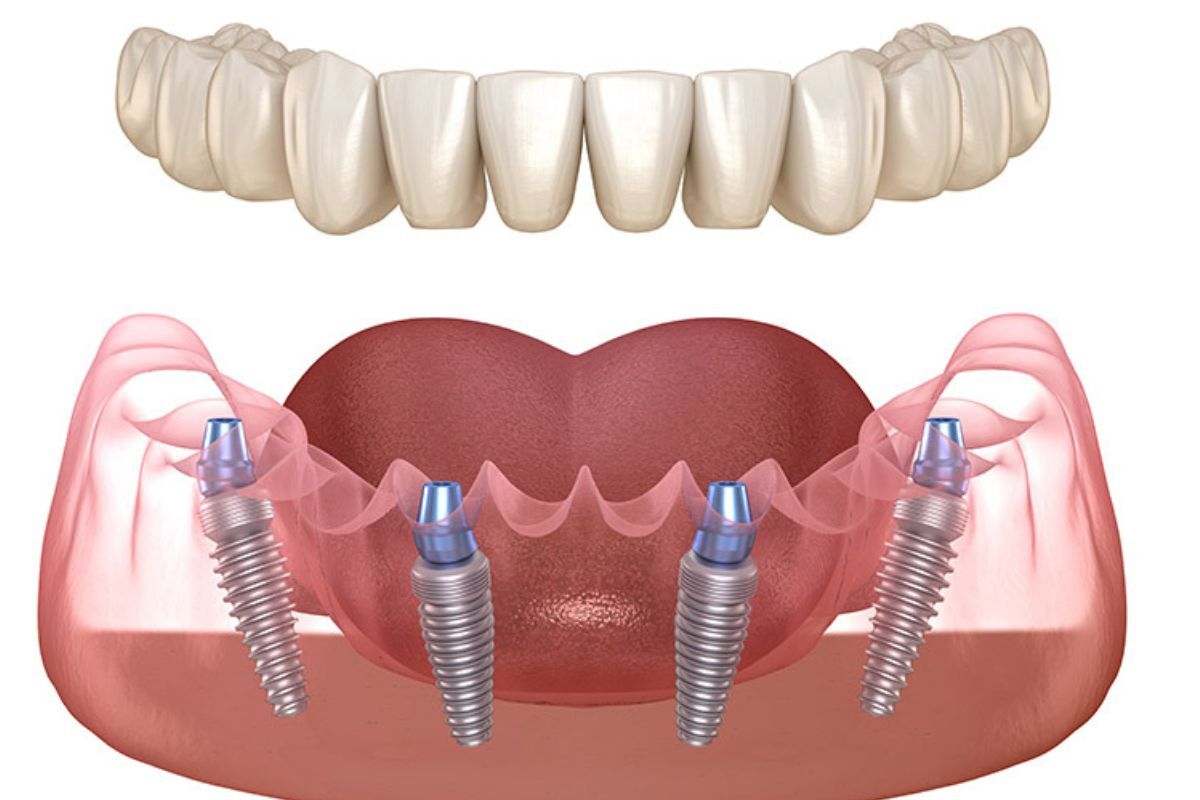
All on 4 Implants in Silverdale: What the Treatment Planning Process Looks Like
Choosing a full-arch tooth replacement is a major decision. Patients considering All on 4 implants in Silverdale often want to know more than whether the treatment can replace missing teeth—they want to understand how the dental team plans the procedure and what happens before surgery begins. All-on-4 is designed to support a full arch of replacement teeth using four strategically

Teeth Whitening in Silverdale: What to Know Before You Start
A brighter smile can make a noticeable difference, but professional teeth whitening is not a one-size-fits-all treatment. The right approach depends on what is causing your discoloration, the condition of your teeth and gums, and whether you have dental work that will not respond to whitening. If you are considering teeth whitening in Silverdale, a dental evaluation can help you