
Losing one tooth can seem like a small problem, especially if the missing tooth is toward the back of your mouth. But a gap can affect more than appearance.
Over time, the teeth around an empty space may shift, your bite can change, and the bone that once supported the missing tooth can gradually lose volume.
For patients considering dental implants in Silverdale, understanding these changes can help explain why replacing a missing tooth is about more than filling a visible gap.
Why a Missing Tooth Can Affect the Rest of Your Smile
Natural teeth are not independent pieces sitting next to one another. They work together as part of a functioning bite.
When one tooth disappears, the surrounding teeth can experience a different environment.
The neighboring teeth may gradually move toward the empty space. Depending on the location and extent of tooth loss, that movement can affect how your upper and lower teeth meet when you chew.
A missing tooth can also leave the opposing tooth without the same contact it previously had.
The result is not necessarily dramatic or immediate. Dental changes can develop gradually, which is one reason people sometimes delay replacing a tooth.
What Happens to the Jawbone?
The bone surrounding a natural tooth is supported by the forces generated when you bite and chew.
When the tooth and its root are gone, that stimulation is reduced. Over time, the bone in the area can resorb.
Clear Creek Dentistry explains that tooth loss can contribute to loss of bone density and that implants can help preserve the jawbone by replacing the missing tooth’s root structure.
This is one of the key differences between an implant and a replacement that only sits above the gums.
How a Dental Implant Replaces More Than the Visible Tooth
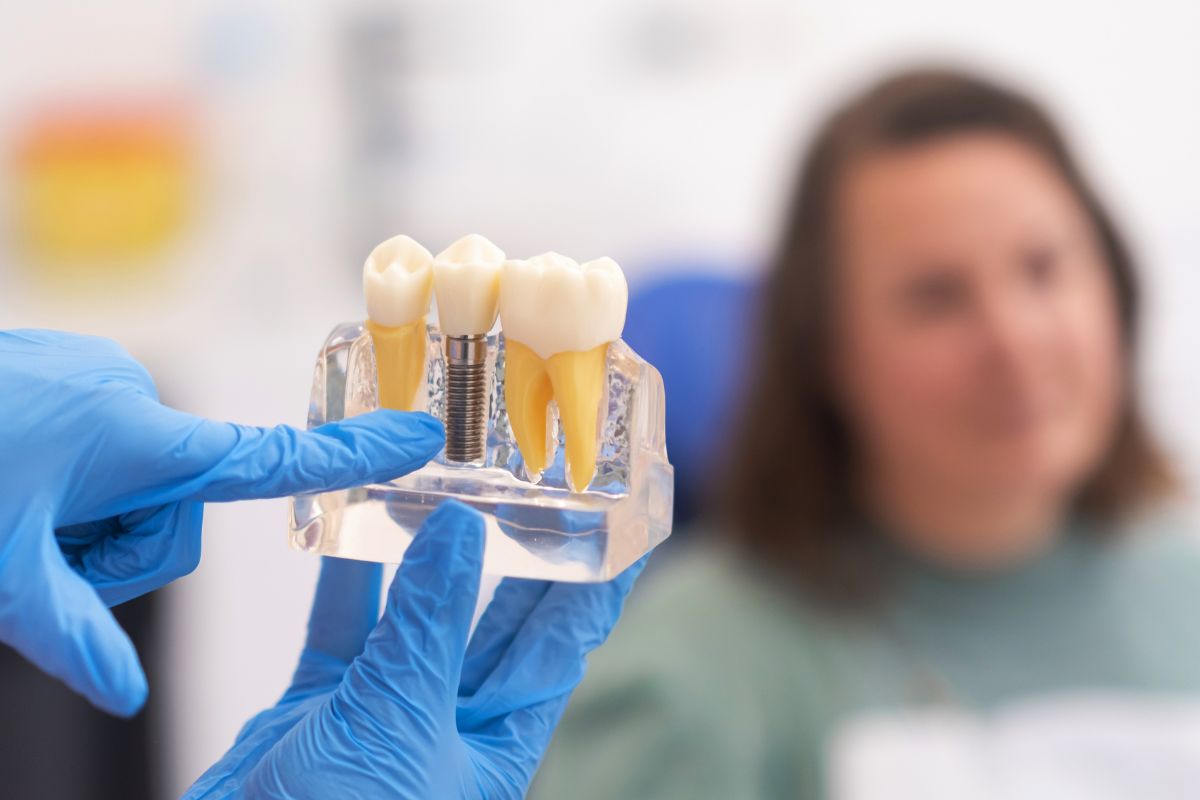
A dental implant consists of a post that is placed into the jawbone and a replacement tooth attached to it.
The implant serves as an artificial root.
After placement, the implant can integrate with the surrounding bone. Once the restoration is completed, the result is designed to function as part of your bite.
Clear Creek Dentistry describes its implant treatment as using a titanium post secured under the gum line, followed by attachment of the replacement tooth after the implant has integrated with the jawbone.
Why the Root Matters
A conventional crown can restore the visible portion of a damaged tooth, but an implant is used when the natural tooth and root are missing.
That distinction matters because the implant is anchored in the jaw rather than relying solely on neighboring teeth for support.
This makes dental implants one option worth discussing when replacing an individual missing tooth.
Could a Missing Tooth Change Your Bite?
Potentially.
A missing tooth can create an opening that allows adjacent teeth to move. As the arrangement of the teeth changes, the way they contact each other may also change.
Not every patient experiences noticeable bite problems after losing a tooth. However, the possibility is one reason dentists evaluate the entire mouth rather than looking only at the empty space.
During an implant consultation, your dentist can examine the surrounding teeth, gums, and jawbone and determine how the missing tooth fits into your overall bite.
Why the Neighboring Teeth Matter During Implant Planning
An implant should not be planned in isolation.
Your dentist needs to consider:
- The location of the missing tooth
- The amount and quality of available bone
- The condition of neighboring teeth
- Your gum health
- Your bite
- The appearance of the replacement tooth
- Your overall oral health
Clear Creek Dentistry states that an implant evaluation includes examining the mouth and jawbone and ensuring the gums are healthy before proceeding.
If cavities or gum disease are present, those concerns may need treatment first.
What If the Bone Has Already Changed?
Bone loss does not necessarily mean you cannot receive an implant.
It does mean the treatment plan may be more complicated.
Your dentist may need additional imaging to evaluate the available bone and determine which replacement options are appropriate.
Clear Creek Dentistry’s implant information emphasizes assessing jawbone health before implant placement and discussing alternative implant approaches when traditional implants are not appropriate.
The earlier a missing tooth is evaluated, the more information your dental team has when planning its replacement.
Can an Implant Look Like a Natural Tooth?
The visible replacement tooth can be designed to coordinate with the surrounding teeth.
Clear Creek Dentistry explains that replacement teeth are created to match the size, shape, and color of the patient’s natural teeth.
The objective is not simply to fill a space. A well-planned restoration should look appropriate within the entire smile and function comfortably during normal activities such as speaking and eating.
What Happens After the Implant Is Placed?
Implant treatment is not finished immediately after surgery.
The implant needs time to integrate with the surrounding bone before the final replacement tooth is attached. Clear Creek Dentistry notes that this integration process can take a couple of months.
During that period, your dental team monitors healing and determines when the implant is ready for the next stage.
Once restored, an implant tooth still requires daily care.
The replacement tooth itself cannot develop a cavity in the same way natural enamel can, but the surrounding gums and remaining natural teeth still need regular brushing, flossing, professional cleanings, and examinations.
Dental Implants in Silverdale: Don’t Ignore a Missing Tooth
If you have been living with a missing tooth for months or years, you do not necessarily need to rush into a particular treatment.
But you should understand what is happening in the area.
A consultation can show you the condition of the bone, neighboring teeth, gums, and bite and help you compare your replacement options.
Clear Creek Dentistry provides dental implant services in Silverdale and takes a customized approach to determining whether implants are appropriate.
If you are considering dental implants in Silverdale, schedule an evaluation with Clear Creek Dentistry to discuss the condition of your smile and the available options.
FAQs
Can a missing tooth cause neighboring teeth to move?
Yes. A missing tooth can allow adjacent teeth to shift toward the empty space. The extent varies from patient to patient.
Do dental implants help preserve jawbone?
Implants replace the root portion of a missing tooth and can help maintain stimulation of the surrounding jawbone. Clear Creek Dentistry identifies jawbone preservation as an important benefit of implant treatment.
Can dental implants replace one missing tooth?
Yes. A single dental implant can be used to support an individual replacement tooth when a dentist determines that the patient is an appropriate candidate.
How long does a dental implant take to heal?
Healing varies, but the implant generally needs time to integrate with the jawbone before the final restoration is attached. Clear Creek Dentistry notes that this process can take a couple of months.
Do implant teeth need to be cleaned?
Yes. Implant restorations should be cared for with regular brushing and cleaning between the teeth, along with professional dental examinations and cleanings.
Recent Posts
Do You Need to Worry About Cavities with Dental Implants?
Replacing a missing tooth can feel like a fresh start. You can smile confidently, enjoy your favorite foods again, and stop worrying about gaps in your smile. But once your implant treatment is complete, a common question arises: can dental implants get cavities? The short answer is no. An implant cannot develop a cavity the way a natural tooth can. ...
Are Dental Implants Safe for Smokers? Key Facts to Consider
Dental implants are one of the most reliable ways to replace missing teeth, offering long-term strength, function, and a natural look. But if you smoke, the journey to a successful implant may come with extra challenges. Smoking doesn’t automatically disqualify you from getting dental implants, but it does increase the risk of complications. Understanding these risks can help you make ...

Dental Implants vs. Bridges: What’s the Better Choice?
When you’re facing tooth loss due to injury, decay, or gum disease, choosing the right replacement option is an important decision. Modern dentistry gives you two of the most common options: dental bridges and dental implants. While both treatments effectively replace missing teeth, they differ significantly in how they work and what they offer in the long term. In this ...
Seniors & Bone Loss: Modern Solutions for Dental Implants
Life in Silverdale has a rhythm of its own, from morning walks along quiet streets, enjoying coffee with friends, to savoring family meals at home. Missing teeth and bone loss, however, can make these everyday activities less enjoyable and more challenging. Many seniors assume that bone loss automatically rules out dental implants. While a healthy jawbone is important, modern dental ...
Recent Posts
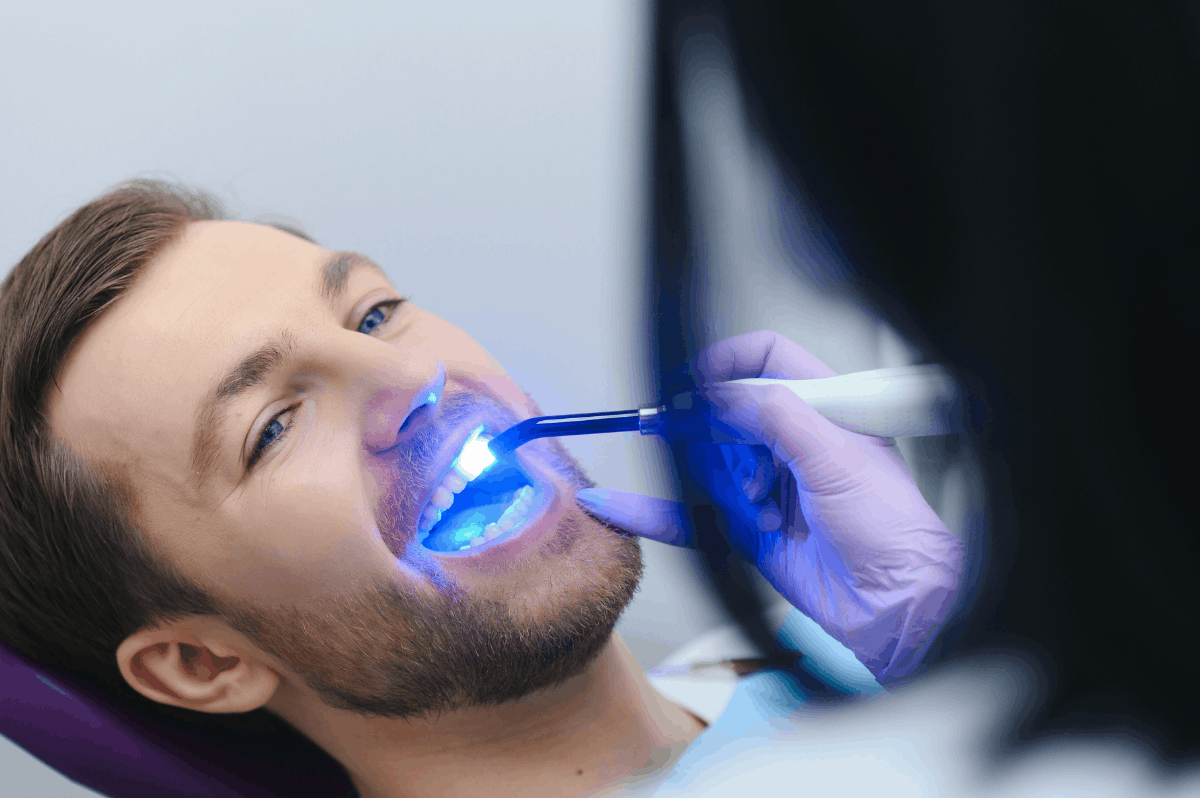
How to Choose a Dentist in Silverdale, WA
Finding a dental practice you feel comfortable visiting is an important part of maintaining your oral health. Whether you need a routine checkup, want to address a dental concern, or are exploring treatment options, choosing the right dentist can make it easier to stay consistent with your care. For individuals and families in Silverdale, WA, understanding what to look for
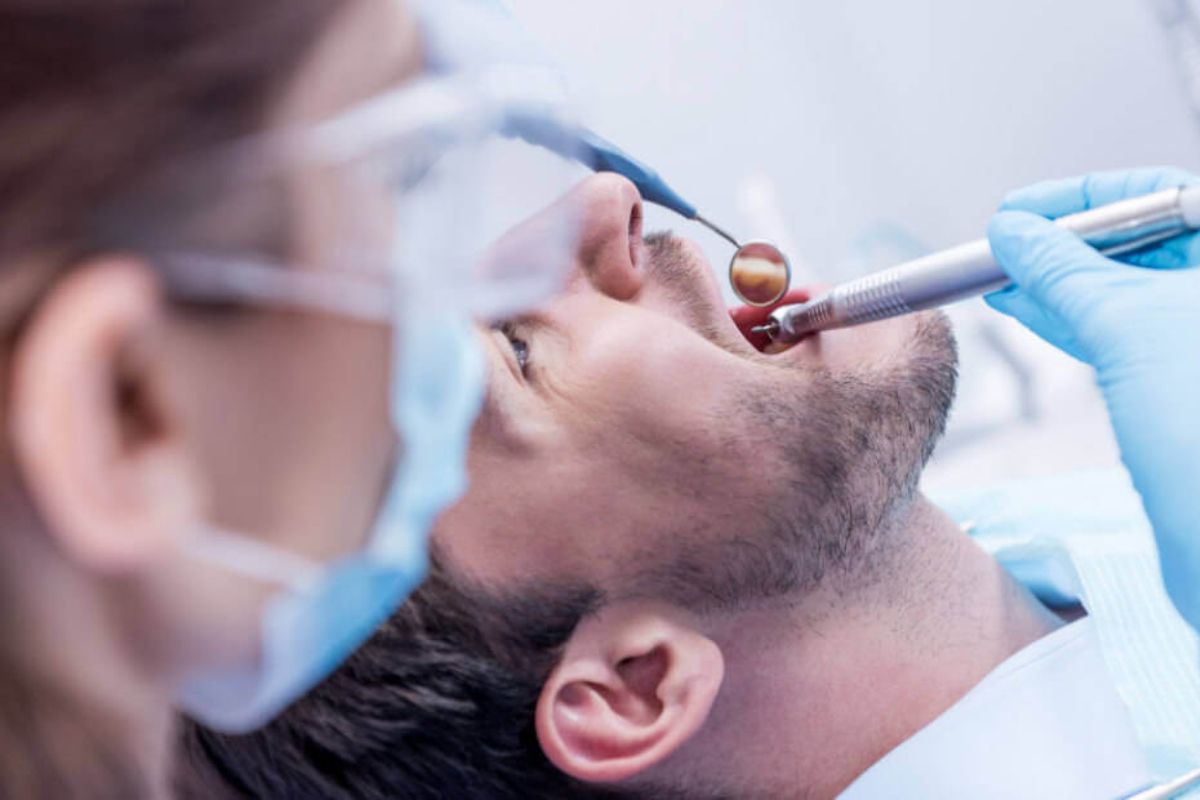
Emergency Dentist in Silverdale: What to Do During the First Hour
Dental emergencies rarely happen at a convenient time. A tooth can break while eating dinner. A child can fall and injure a front tooth. Severe dental pain can appear overnight. A filling or crown can come loose just before an important meeting. When something goes wrong, knowing what to do in the first hour can help protect the tooth and