
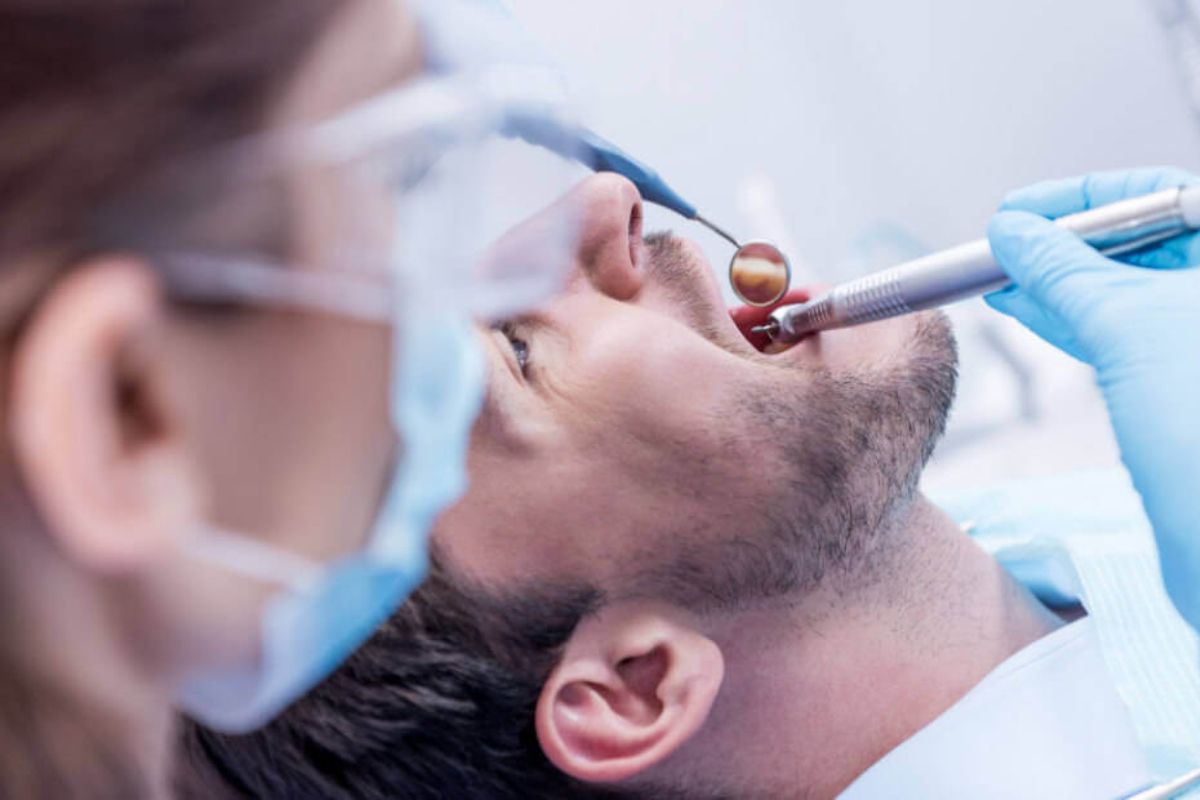
Dental emergencies rarely happen at a convenient time.
A tooth can break while eating dinner. A child can fall and injure a front tooth. Severe dental pain can appear overnight. A filling or crown can come loose just before an important meeting.
When something goes wrong, knowing what to do in the first hour can help protect the tooth and reduce unnecessary damage while you arrange professional care.
If you need an emergency dentist in Silverdale, Clear Creek Dentistry provides emergency dental services for problems including damaged teeth, infections, trauma, and knocked-out teeth.
First, Decide Whether It Is Truly Urgent
Some dental problems can safely wait for a routine appointment. Others should be evaluated promptly.
Urgent dental problems can include:
- A knocked-out permanent tooth
- A severely broken or cracked tooth
- Significant dental trauma
- Severe or rapidly increasing tooth pain
- Swelling associated with a dental infection
- A dental restoration that has caused injury or exposed a vulnerable tooth
- Bleeding that does not settle after appropriate first aid
Clear Creek Dentistry notes that delaying treatment after a dental injury can increase the risk of additional or irreversible damage.
When you are unsure, contacting a dental office for guidance is generally better than ignoring a rapidly worsening problem.
What to Do If a Permanent Tooth Is Knocked Out
A knocked-out permanent tooth is a situation where time matters.
If the tooth is dirty, handle it carefully and avoid touching the root whenever possible. If it can be placed back into its socket without force, that may help preserve the tooth—but do not force it if doing so is difficult.
If you cannot safely reposition it, keep it moist and seek urgent dental care.
Do not scrub the root aggressively or allow the tooth to dry out.
For a child with a knocked-out baby tooth, do not attempt to put the baby tooth back into the socket.
What to Do With a Broken Tooth
If a tooth breaks, save any larger pieces if you can and contact a dentist.
Rinse your mouth gently with water to remove loose debris. If the area is bleeding, gentle pressure with clean gauze can help.
Avoid chewing on the damaged side.
A broken tooth may have a sharp edge that can cut your tongue or cheek. Depending on the damage, treatment could involve bonding, a filling, a crown, root canal treatment, or another restoration.
The sooner the tooth is evaluated, the sooner your dentist can determine whether it can be preserved.
What If a Crown or Filling Comes Out?
A lost restoration is not always a life-threatening emergency, but it should not automatically be ignored.
The exposed tooth may become sensitive, and chewing can cause additional damage.
If a crown comes loose, keep it and bring it with you to your dental appointment. Do not use household glue or other non-dental adhesives to put it back.
Until you receive professional advice, avoid chewing hard or sticky foods on that side.
Clear Creek Dentistry offers restorative services including dental crowns and bonding and also provides emergency dental care.
What If Severe Tooth Pain Starts Suddenly?
Severe tooth pain can have several causes, including decay, infection, a cracked tooth, or inflammation involving the tooth’s pulp.
Pain medication may temporarily reduce discomfort, but it does not remove the underlying cause.
Pay particular attention to symptoms such as facial swelling, fever, difficulty swallowing, or rapidly worsening pain.
A dental infection can require prompt professional treatment. Clear Creek Dentistry’s emergency dental service specifically includes dental infections among the conditions requiring urgent care.
Don’t Put Aspirin Directly on the Tooth
A common home remedy is placing aspirin directly against an aching tooth.
That is not a good idea. Aspirin can irritate or damage the soft tissues of the mouth.
Instead, follow the medication label and any advice provided by your dentist or healthcare professional.
What If Your Mouth Is Bleeding?
Minor bleeding can occur after trauma or dental procedures.
Place clean gauze over the area and apply gentle, steady pressure. Avoid repeatedly removing the gauze to check whether bleeding has stopped because that can interfere with clot formation.
If bleeding is heavy, persistent, or accompanied by a serious facial injury, seek appropriate emergency medical care.
A dental office can evaluate many oral injuries, but some situations require a hospital or emergency department rather than a dental appointment.
When a Dental Emergency Becomes a Medical Emergency
Dental problems can sometimes involve symptoms that go beyond the tooth itself.
Seek emergency medical attention for signs such as:
- Difficulty breathing
- Difficulty swallowing
- Significant facial swelling
- Uncontrolled bleeding
- Loss of consciousness
- Major facial trauma
- A suspected jaw fracture
These symptoms can indicate a broader medical problem and should not wait for a routine dental appointment.
What Should You Bring to an Emergency Dental Visit?
If possible, bring the damaged tooth or restoration.
It can also help to have:
- A list of current medications
- Relevant medical information
- Dental insurance information
- Details about how the injury occurred
- Information about when the pain or swelling started
Tell the dental team exactly what happened.
For example, “my tooth hurts” gives less information than “I bit into a hard piece of food yesterday, felt the tooth crack, and now it hurts when I bite.”
The details can help your dentist focus the examination.
What Happens at an Emergency Dental Appointment?
The first goal is to determine what caused the problem and whether the tooth can be saved.
Your dentist may examine the tooth and surrounding tissues and take dental X-rays when appropriate.
Treatment depends on the diagnosis.
Clear Creek Dentistry states that its emergency dental services can include bonding, root canals, crowns, and bridges, depending on the problem.
The objective is not simply to make the pain disappear temporarily. The underlying dental problem needs to be addressed whenever possible.
Emergency Dentist in Silverdale: Don’t Wait and Hope It Improves
Dental emergencies are easier to manage when you know what to do before you arrive at the office.
Protect an injured tooth, avoid making the damage worse, and contact a dental professional as soon as practical.
Clear Creek Dentistry provides emergency dental care in Silverdale and aims to preserve natural teeth whenever possible.
If you are dealing with severe dental pain, an injured tooth, infection, or another urgent dental problem, contact Clear Creek Dentistry to discuss the next step.
FAQs
What qualifies as a dental emergency?
Severe dental pain, significant swelling, dental trauma, a knocked-out permanent tooth, and severely damaged teeth can require urgent dental evaluation.
What should I do if my permanent tooth gets knocked out?
Handle the tooth carefully, avoid touching the root, keep it moist, and seek urgent dental care. Do not scrub the root or allow the tooth to dry out.
Should I go to the emergency room for a toothache?
A dental office is generally the appropriate place for many tooth-related problems. However, difficulty breathing, difficulty swallowing, uncontrolled bleeding, major facial trauma, or significant swelling may require emergency medical attention.
Can a broken tooth be saved?
Often, a damaged tooth can be restored, but the answer depends on the location and extent of the damage. Treatment may include bonding, a crown, or root canal treatment.
Can I wait a few days if my dental pain improves?
Pain that temporarily improves does not necessarily mean the underlying problem has resolved. If you experienced significant or persistent pain, contact a dentist for an evaluation.
Recent Posts

Knocked-Out Tooth? What to Do Before You Reach the Dentist
A knocked-out tooth can happen in seconds. One hard fall at a Silverdale park, a sports injury at school, or even a car accident can leave you holding your tooth in your hand. It feels scary, but quick action can make all the difference. If you act fast and follow the right steps, you may save your natural tooth. Here’s ...

5 Signs You Need Emergency Dental Care in Silverdale
Dental problems don’t always arrive quietly. Sometimes they show up with sharp pain, swelling, or sudden damage that demands immediate attention. Emergency dental care is not only about pain relief. It helps prevent infection, saves natural teeth, and reduces the risk of long-term complications. This guide explains the most important warning signs that should never be ignored, so you can ...
How to Choose a Dentist in Silverdale, WA
Finding a dental practice you feel comfortable visiting is an important part of maintaining your oral health. Whether you need a routine checkup, want to address a dental concern, or are exploring treatment options, choosing the right dentist can make it easier to stay consistent with your care. For individuals and families in Silverdale, WA, understanding what to look for ...
Dental Implants in Silverdale: What Happens to the Teeth Around a Missing Tooth?
Losing one tooth can seem like a small problem, especially if the missing tooth is toward the back of your mouth. But a gap can affect more than appearance. Over time, the teeth around an empty space may shift, your bite can change, and the bone that once supported the missing tooth can gradually lose volume. For patients considering dental ...
Recent Posts
How to Choose a Dentist in Silverdale, WA
Finding a dental practice you feel comfortable visiting is an important part of maintaining your oral health. Whether you need a routine checkup, want to address a dental concern, or are exploring treatment options, choosing the right dentist can make it easier to stay consistent with your care. For individuals and families in Silverdale, WA, understanding what to look for
Emergency Dentist in Silverdale: What to Do During the First Hour
Dental emergencies rarely happen at a convenient time. A tooth can break while eating dinner. A child can fall and injure a front tooth. Severe dental pain can appear overnight. A filling or crown can come loose just before an important meeting. When something goes wrong, knowing what to do in the first hour can help protect the tooth and