
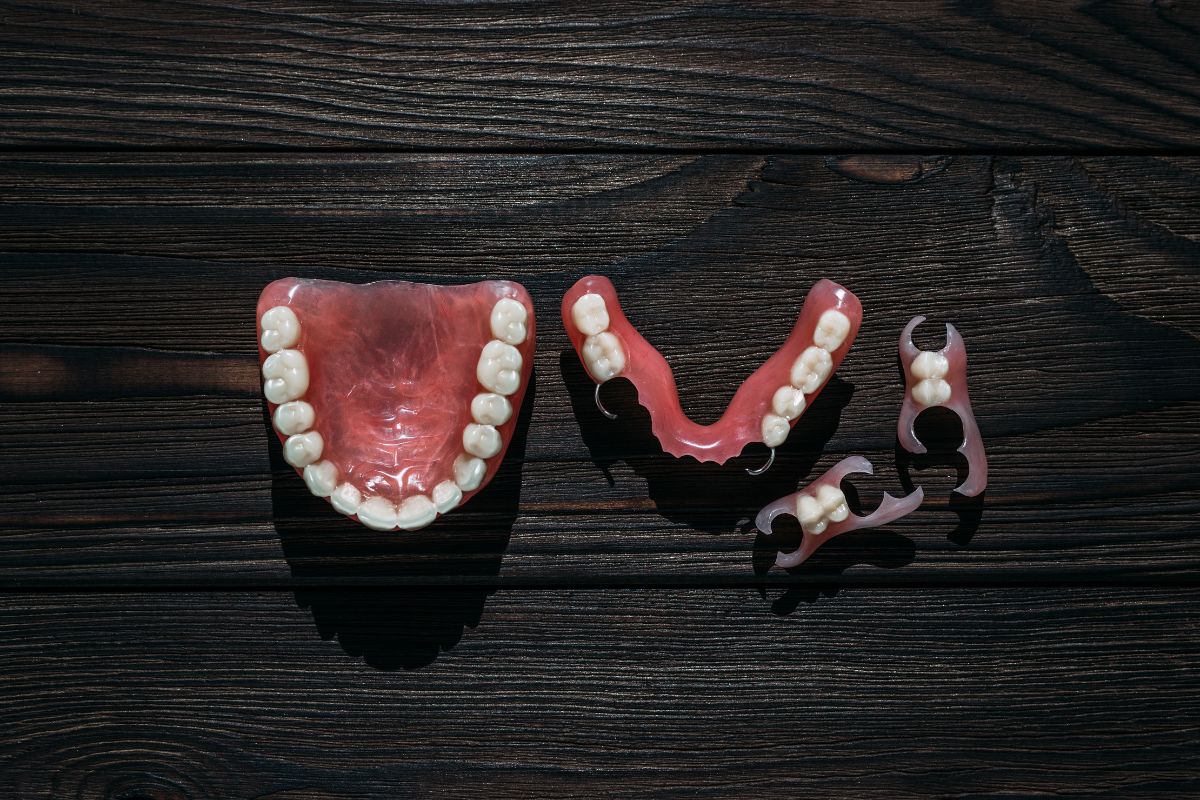
Tooth loss can affect more than your appearance. It can change how you eat, speak, and interact with others on a daily basis. Dentures offer a reliable way to restore both function and confidence, but choosing between complete and partial options can feel confusing at first.
This guide walks you through the key differences between complete and partial dentures, so you can better understand your options and make a decision that supports your long-term oral health.
How Dentures Restore Function and Comfort
Dentures are removable dental appliances designed to replace missing teeth and support daily function. They are custom-made to fit your mouth, which helps improve comfort, stability, and appearance.
There are two main types. Complete dentures replace all teeth in the upper or lower jaw, while partial dentures fill in gaps when some natural teeth are still present.
Modern dentures are crafted from durable materials that closely resemble natural teeth and gums. With proper fit and care, they can make eating, speaking, and smiling feel natural again.
Complete Dentures: Restoring an Entire Smile
Complete dentures are used when all of your natural teeth in the upper or lower jaw are missing. There are two main approaches:
- Conventional Full Dentures: Your teeth are removed, and the gums are allowed to heal before the dentures are placed. This process may take several months, during which you’ll be without teeth.
- Immediate Full Dentures: Dentures are prepared before tooth removal and placed immediately after extraction. This allows you to maintain a full smile while your gums heal. Follow-up adjustments are often necessary as the jaw shape changes during healing.
Complete dentures provide a full, natural-looking smile and restore proper bite function. They require careful care and regular dental visits to ensure a comfortable fit.
Partial Dentures: Filling in the Gaps
Partial dentures are ideal when you still have some healthy natural teeth. They attach to surrounding teeth with clasps or precision attachments, filling in spaces and preventing your remaining teeth from shifting.
Partial dentures are removable, making cleaning easier than with fixed bridges. They also allow for design flexibility and can be adjusted as your dental needs change. While they may feel bulky at first, most patients adapt quickly and regain normal eating and speaking habits.
Key Differences Between Complete and Partial Dentures
The main difference comes down to how many teeth need to be replaced.
Complete dentures replace an entire set of teeth, while partial dentures work alongside your natural teeth. This affects how they fit and function.
Partial dentures often feel more secure because they anchor to existing teeth. Complete dentures rely on suction and the shape of your gums, which may take some time to get used to.
Both options are designed to restore function and appearance, but the right choice depends on your specific oral health condition.
How to Know Which Option Is Right for You
Choosing between complete and partial dentures is not a one-size-fits-all decision. Your dentist will evaluate several factors before recommending the best option.
What influences your choice
- Number of missing teeth
- Condition of your gums and remaining teeth
- Bone support in your jaw
- Your comfort and lifestyle preferences
If you still have healthy, natural teeth, a partial option often makes sense. If all teeth are missing or need to be removed, complete dentures may be the better solution.
Caring for Your Dentures
Proper care plays a big role in how long your dentures last and how comfortable they feel.
Here are a few essential habits to follow:
- Clean your dentures daily using a soft brush and denture cleaner
- Remove them at night to give your gums time to rest
- Avoid hot water, as it can change their shape
- Store them in water or a denture solution when not in use
- Visit your dentist for adjustments instead of trying to fix them yourself
Routine dental visits help ensure your dentures continue to fit well and support your oral health.
Bring Back Your Missing Teeth and Confidence
Missing teeth don’t have to hold you back from smiling, eating, or speaking comfortably. At Clear Creek Dentistry, we help patients in Silverdale explore the right denture option for their needs. Whether it’s complete or partial dentures, our team provides personalized guidance, professional fitting, and follow-up care for long-lasting comfort and function.
Visit our dental office in Silverdale today to schedule a consultation and take the first step toward a healthy, confident smile.
FAQs About Dentures
1. How long does it take to get dentures?
It varies. Immediate dentures can be placed right after extractions, while conventional dentures may take a few months of healing and fitting.
2. Will dentures feel uncomfortable at first?
Some initial discomfort is normal. Most patients adapt within a few weeks as their mouth adjusts to the new appliance.
3. Can I eat normally with dentures?
Yes. Start with soft foods and gradually return to a normal diet. Cutting food into smaller pieces helps during the adjustment period.
4. How long do dentures last?
With proper care, dentures can last 5 to 10 years. Regular check-ups help maintain a secure and comfortable fit.
5. Can dentures affect speech?
Initially, dentures may change how you pronounce certain words, but with practice and time, your speech usually returns to normal.
6. Are partial dentures removable?
Yes. Partial dentures are designed to be taken out for cleaning and maintenance, offering flexibility and convenience.
7. How often should I visit the dentist with dentures?
Routine visits every six months are recommended to ensure proper fit, check for oral health issues, and make any necessary adjustments.
Recent Posts
Understanding Root Canals for Front Teeth and Molars
Life in Silverdale is full of activity, from busy mornings to relaxing evenings at home. But when tooth pain starts, even everyday activities like eating or talking can become uncomfortable. Sharp jolts, lingering sensitivity, or persistent aches may indicate a problem that needs attention. A common solution for deep tooth pain is a root canal. While the term might sound ...
Seniors & Bone Loss: Modern Solutions for Dental Implants
Life in Silverdale has a rhythm of its own, from morning walks along quiet streets, enjoying coffee with friends, to savoring family meals at home. Missing teeth and bone loss, however, can make these everyday activities less enjoyable and more challenging. Many seniors assume that bone loss automatically rules out dental implants. While a healthy jawbone is important, modern dental ...

First Dental Visit for Kids: What Parents Need to Know
As a parent, you want your child to start life with the healthiest habits possible. From balanced meals to regular checkups, every little step counts. One milestone that often gets overlooked is your child’s first dental visit. Many parents think dental care starts when permanent teeth appear or when kids begin school, but the truth is, earlier is better. Scheduling ...
Post-Procedure Care Tips for All-on-4 Dental Implants
A full smile makeover is life-changing, and All-on-4 dental implants are among the most reliable solutions for patients seeking permanent tooth replacement. But the journey doesn’t end once the implants are in place. Proper post-procedure care is essential to ensure your new teeth heal well and last for years. Knowing how to take care of your implants from day one ...
Recent Posts
Complete vs. Partial Dentures: What You Need to Know Before Choosing
Tooth loss can affect more than your appearance. It can change how you eat, speak, and interact with others on a daily basis. Dentures offer a reliable way to restore both function and confidence, but choosing between complete and partial options can feel confusing at first. This guide walks you through the key differences between complete and partial dentures, so
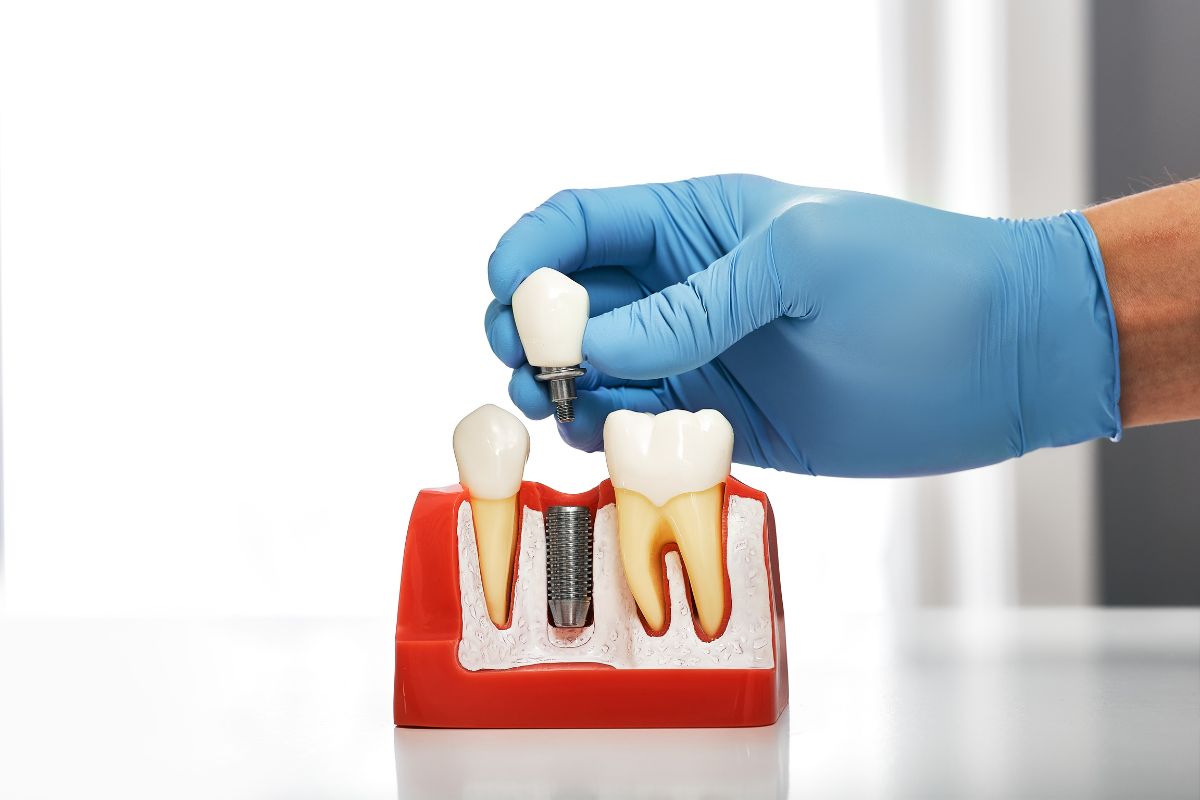
Seniors & Bone Loss: Modern Solutions for Dental Implants
Life in Silverdale has a rhythm of its own, from morning walks along quiet streets, enjoying coffee with friends, to savoring family meals at home. Missing teeth and bone loss, however, can make these everyday activities less enjoyable and more challenging. Many seniors assume that bone loss automatically rules out dental implants. While a healthy jawbone is important, modern dental