
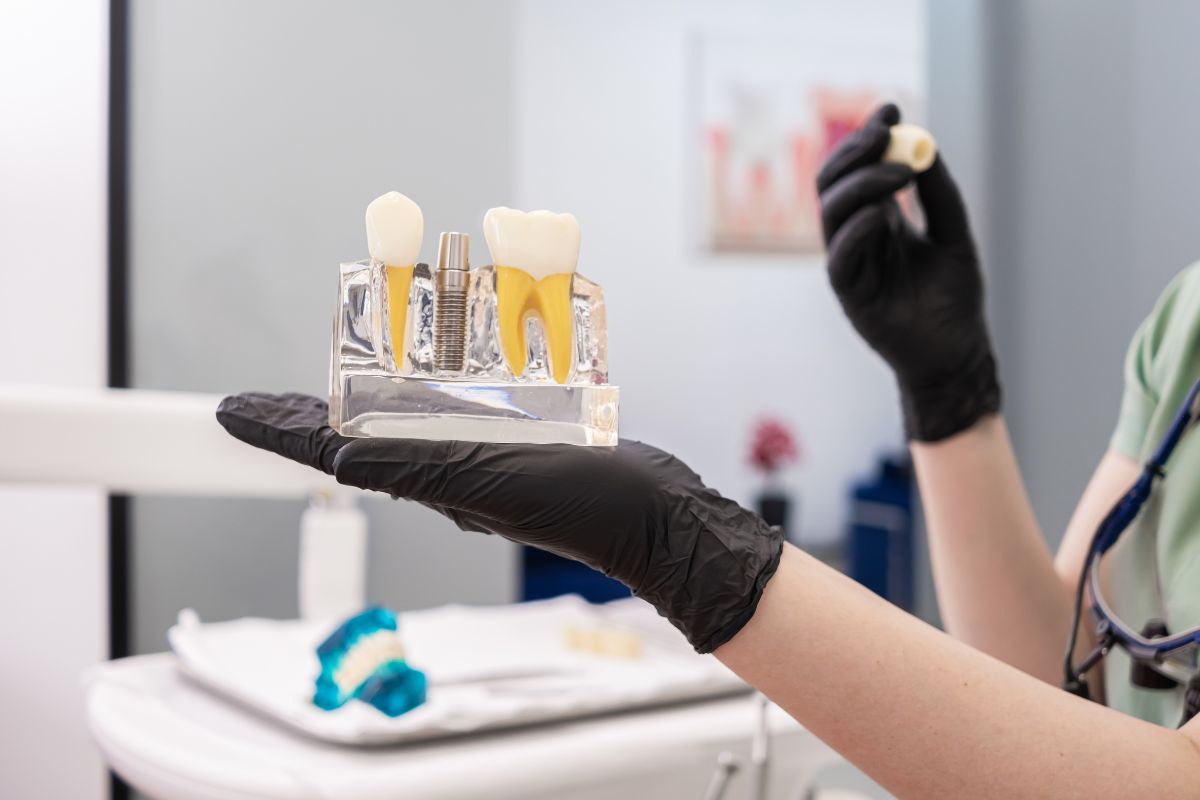
When you’re facing tooth loss due to injury, decay, or gum disease, choosing the right replacement option is an important decision. Modern dentistry gives you two of the most common options: dental bridges and dental implants. While both treatments effectively replace missing teeth, they differ significantly in how they work and what they offer in the long term.
In this guide, you’ll learn the key differences and benefits of these two modern tooth-replacement options, helping you determine which option is best suited to your needs.
A Closer Look at Your Tooth Replacement Options
Dental implants are designed to mimic the entire structure of a natural tooth. A titanium post is surgically placed into the jawbone, acting as an artificial root. Over time, it bonds with the bone, creating a strong foundation for a custom crown that looks and functions like a real tooth.
Dental bridges, on the other hand, fill the gap left by missing teeth by anchoring an artificial tooth (or teeth) to the neighboring natural teeth. These adjacent teeth are fitted with crowns, which support the bridge and keep it securely in place.
In simple terms, implants stand independently, while bridges depend on surrounding teeth for support.
Treatment Time: What to Expect
If timing is a priority, dental bridges typically offer a faster solution. Most bridges can be completed within two to three dental visits over a few weeks. After preparing the supporting teeth and taking impressions, your custom bridge is placed and adjusted for comfort.
Dental implants require more patience. After the titanium post is placed, the jawbone needs time to heal and integrate with the implant, usually 2 to 6 months. Once healing is complete, the final crown is attached. While implants take longer, many patients feel the long-term benefits outweigh the extended timeline.
How Each Option Affects Surrounding Teeth
One key difference lies in how these treatments impact nearby teeth.
To place a traditional bridge, the adjacent healthy teeth must be reshaped to accommodate crowns. This involves permanently removing enamel, and those teeth will always require crown protection.
Dental implants, on the other hand, do not impact neighboring teeth at all. They function independently and preserve the natural structure of surrounding teeth. For patients with healthy adjacent teeth, this preservation is often a significant advantage.
Jaw Bone Health and Facial Structure
When a tooth is lost, the underlying jawbone can begin to deteriorate due to a lack of stimulation. Over time, this can lead to changes in facial appearance and overall oral health.
Dental implants help prevent this issue by stimulating the jawbone just like natural tooth roots. This helps maintain bone density and supports your facial structure.
Dental bridges restore the visible portion of your smile but do not address bone loss beneath the surface. As a result, bone shrinkage may continue over time.
Daily Care and Maintenance
Caring for dental implants is simple. Once healed, they can be brushed and flossed just like natural teeth, and regular dental checkups are recommended.
Dental bridges require a bit more attention. Cleaning beneath the bridge is essential to prevent plaque buildup and protect the supporting teeth. Tools like floss threaders or water flossers are often recommended to maintain proper hygiene.
Choosing the Best Option for Your Missing Teeth
The decision between a dental bridge and a dental implant depends on several personal factors:
- Your overall health
- The condition and density of your jawbone
- The health of your surrounding teeth
- Your budget and long-term dental goals
- Your lifestyle and availability for treatment
A professional dental evaluation is essential to determine which option aligns best with your needs. Your dentist will assess your situation and guide you toward the most suitable treatment plan.
Bringing Back Comfort, Function, and Confidence
Both dental bridges and dental implants are reliable solutions for restoring your smile and enhancing your overall quality of life. The best option ultimately depends on your oral health, lifestyle, and long-term goals.
At Clear Creek Dentistry, our experienced team is committed to guiding you toward a treatment that supports lasting dental health and confidence.
If you’re unsure which option is right for your missing teeth, we’re here to help. Visit our dental office in Silverdale to schedule a consultation and take the first step toward a healthier, more confident smile.
FAQs About Dental Implants and Dental Bridges
1. What is the main difference between dental bridges and dental implants?
Dental bridges rely on adjacent teeth for support and fill the gap with an artificial tooth, while dental implants are surgically placed into the jawbone to act as a replacement root. Implants function more like natural teeth, whereas bridges are a non-surgical, quicker solution.
2. Which option lasts longer: bridges or implants?
Dental implants generally last longer, often 15–25 years or more with proper care, because they integrate with the bone. Bridges typically last around 10–15 years and may need replacement over time due to wear or changes in surrounding teeth.
3. Are dental implants more painful than bridges?
Implants involve a surgical procedure, so there may be some discomfort during healing. However, most patients report manageable pain with proper care. Bridges are less invasive and usually involve minimal discomfort since they do not require surgery.
4. Which option looks more natural?
Dental implants tend to look and feel more natural because they are anchored directly into the jawbone. They closely mimic real teeth in appearance and function. Bridges can also look natural, but they may not offer the same level of realism as implants.
5. Are dental implants better for oral health than bridges?
Yes, implants help preserve jawbone density and do not require altering nearby teeth. Bridges, on the other hand, require that adjacent teeth be reshaped to support them, which can affect their long-term health.
6. How do I choose between a bridge and an implant?
The right choice depends on factors like your oral health, bone density, budget, and personal preference. A dental professional will evaluate your condition and recommend the most suitable option based on your needs and long-term goals.
Recent Posts
Complete vs. Partial Dentures: What You Need to Know Before Choosing
Tooth loss can affect more than your appearance. It can change how you eat, speak, and interact with others on a daily basis. Dentures offer a reliable way to restore both function and confidence, but choosing between complete and partial options can feel confusing at first. This guide walks you through the key differences between complete and partial dentures, so ...
Understanding Root Canals for Front Teeth and Molars
Life in Silverdale is full of activity, from busy mornings to relaxing evenings at home. But when tooth pain starts, even everyday activities like eating or talking can become uncomfortable. Sharp jolts, lingering sensitivity, or persistent aches may indicate a problem that needs attention. A common solution for deep tooth pain is a root canal. While the term might sound ...
Seniors & Bone Loss: Modern Solutions for Dental Implants
Life in Silverdale has a rhythm of its own, from morning walks along quiet streets, enjoying coffee with friends, to savoring family meals at home. Missing teeth and bone loss, however, can make these everyday activities less enjoyable and more challenging. Many seniors assume that bone loss automatically rules out dental implants. While a healthy jawbone is important, modern dental ...

First Dental Visit for Kids: What Parents Need to Know
As a parent, you want your child to start life with the healthiest habits possible. From balanced meals to regular checkups, every little step counts. One milestone that often gets overlooked is your child’s first dental visit. Many parents think dental care starts when permanent teeth appear or when kids begin school, but the truth is, earlier is better. Scheduling ...
Recent Posts
Dental Implants vs. Bridges: What’s the Better Choice?
When you’re facing tooth loss due to injury, decay, or gum disease, choosing the right replacement option is an important decision. Modern dentistry gives you two of the most common options: dental bridges and dental implants. While both treatments effectively replace missing teeth, they differ significantly in how they work and what they offer in the long term. In this
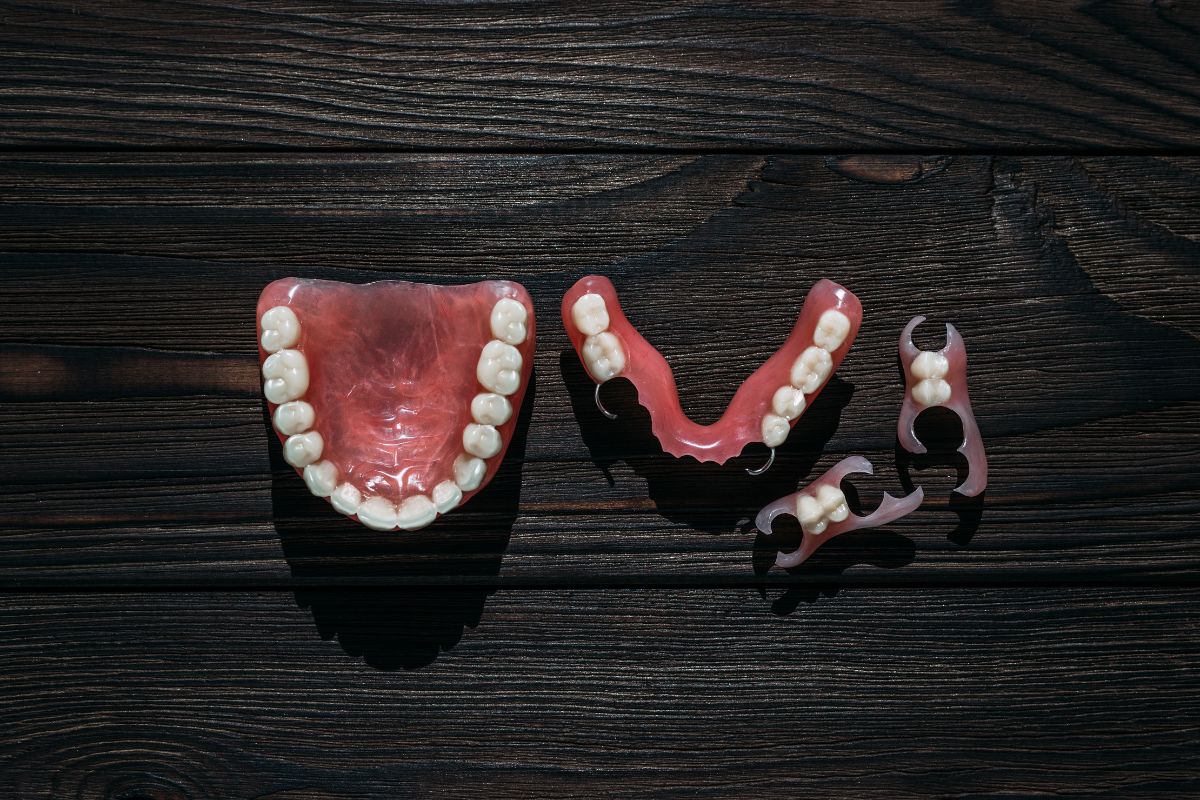
Complete vs. Partial Dentures: What You Need to Know Before Choosing
Tooth loss can affect more than your appearance. It can change how you eat, speak, and interact with others on a daily basis. Dentures offer a reliable way to restore both function and confidence, but choosing between complete and partial options can feel confusing at first. This guide walks you through the key differences between complete and partial dentures, so