
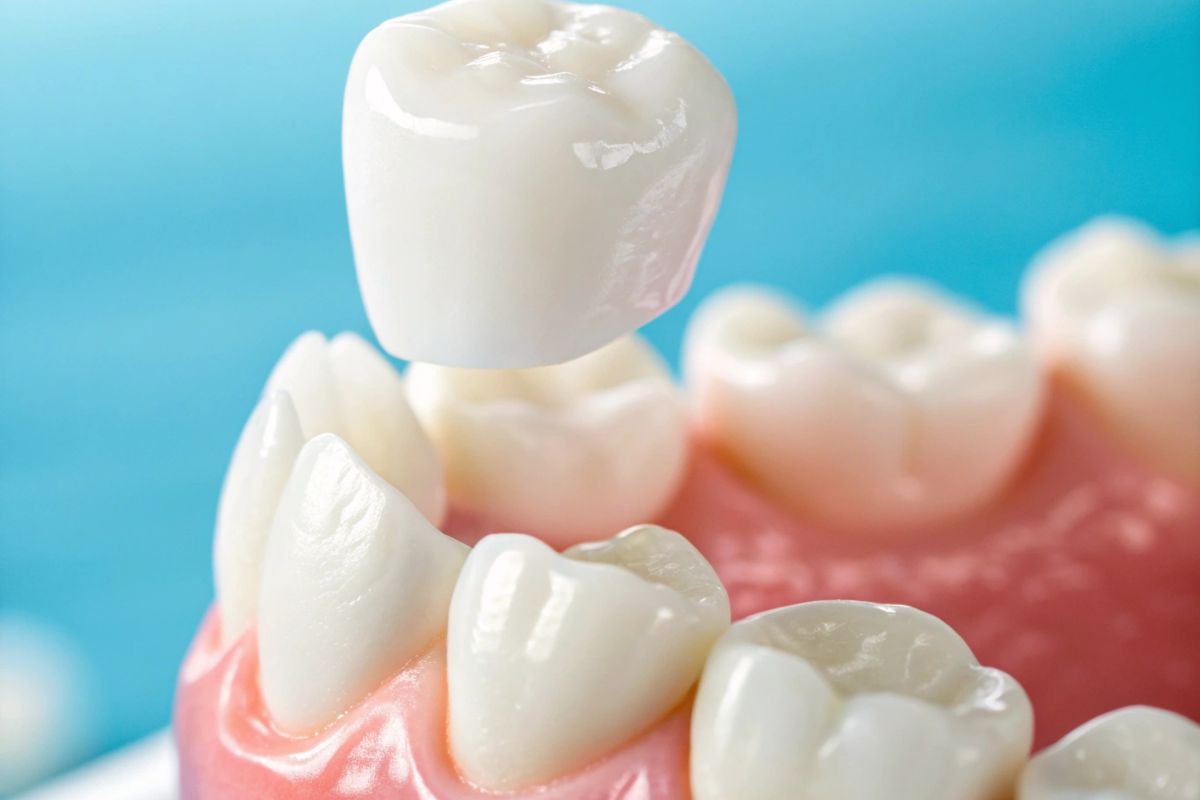
A dental crown is a custom-made cap that covers the visible part of a tooth, restoring its shape, size, strength, and overall appearance. While a root canal can save a tooth from more serious damage, the treatment doesn’t end there. Afterward, the tooth still needs protection to remain strong over time, which is where dental crowns play an important role.
If you’ve recently had a root canal or are planning one, understanding how a crown protects your tooth can help you feel more confident about the next step in your dental care.
Why Root Canal-Treated Teeth Need Extra Protection
During a root canal, the infected pulp inside the tooth is removed. This stops pain and prevents further damage. However, the process also removes the tooth’s natural moisture and nerve supply.
As a result, the tooth can:
- Become more brittle
- Be more likely to crack
- Lose some structural strength
Without added protection, the tooth may not withstand normal chewing forces.
How Dental Crowns Help Safeguard Teeth
A dental crown is a custom-designed cap placed over a treated tooth to restore its shape, size, and strength. It acts as a protective layer that helps prevent further damage while allowing the tooth to function normally. Once in place, the crown supports comfortable chewing and everyday use, much like a natural tooth.
Key benefits of dental crowns include:
Shields the Tooth From Cracks and Breaks
After a root canal, the tooth is more vulnerable to pressure. A dental crown distributes biting forces evenly across the tooth. This reduces the risk of cracks or fractures.
Restores Strength for Daily Use
Crowns reinforce the tooth structure. This allows patients to chew comfortably without worrying about damaging the treated tooth.
Seals the Tooth Against Bacteria
A properly fitted crown helps seal the tooth. This reduces the chance of bacteria entering and causing future infection.
How Dental Crowns Strengthen Teeth Long Term
Support for Chewing and Biting
Chewing puts constant stress on teeth. Dental crowns provide stability that supports normal eating habits.
Patients often notice:
- Improved comfort while eating
- Less sensitivity
- Better bite balance
Maintains Tooth Alignment
When a weakened tooth breaks, it can affect nearby teeth. Crowns help maintain proper spacing and alignment, which supports overall oral health.
Caring for a Crown After Placement
Even after a successful root canal and crown placement, proper care is essential to ensure long-lasting results. During routine dental visits, your dentist will check the crown’s fit and monitor the health of the surrounding gums.
Daily brushing and flossing are key to protecting both the crown and neighboring teeth. With consistent care, a dental crown can last for many years while supporting long-term comfort, function, and a healthy smile.
Protect Your Smile for Long-Term Dental Health
A root canal can save your natural tooth, but a dental crown helps protect that investment for years to come. By restoring strength and preventing damage, crowns let you chew comfortably and smile with confidence.
If you’ve had a root canal and want to safeguard your tooth for the long term, Clear Creek Dentistry in Silverdale, WA, is here to help.
Visit us today and take the next step toward a stronger, healthier smile that you can rely on every day.
FAQs About Dental Crown Treatment
Why do I need a crown after a root canal?
A crown protects the weakened tooth and helps prevent cracks or breakage over time.
Can a root canal tooth survive without a crown?
Some teeth may last without one, but many are at higher risk for damage without added protection.
How long do dental crowns last?
With proper care, crowns can last many years while maintaining function and appearance.
Does getting a crown hurt?
The procedure is typically comfortable, and most patients report little to no discomfort.
Can I eat normally with a dental crown?
Yes. Once placed, a crown allows you to chew and eat as you normally would.
Will my crown look natural?
Crowns are designed to match your natural teeth in shape and color.
How do I care for a crowned tooth?
Regular brushing, flossing, and dental checkups help keep the crown and surrounding teeth healthy.
Recent Posts
The Number of Dental Visits for a Dental Crown
A dental crowns, also called a cap, forms the tooth’s outer covering, protecting the tooth from decay and damage. A crown does not eliminate the need to visit your dentist in the future; you will still need to have your teeth professionally cleaned and examined regularly by your dentist. However, it can certainly help restore your smile. Dental visits are necessary ...
Restore Your Smile With Dental Crowns: What You Should Know
Restoring a smile does not need to be complicated; in fact, a dental crown makes tooth repair simple in many cases. From chips and cracks to restoring damage from cavities, it can serve as a new biting surface for the tooth. Since it can mimic natural tooth material, other people will not be able to tell that you have had a crown ...

How a Dental Crown Can Improve Your Smile
Getting a dental crown is a significant first step in improving your smile. However, you might wonder why you need the device. Repairing the spot soon will help to keep your teeth in good health. Plus, a crown can make your smile look better. Keep reading to learn more about the benefits. It is easy to get a crown placed The patient ...

How Many Visits Does It Take to Get a Dental Crown?
When getting a dental crown, you might wonder how many visits you need to make before you can get the restoration. Usually, you can expect to have around two office visits to complete the process. There are several steps involved, so you might want to understand each one a bit better. Keep reading to learn more. About the office visits involved ...
Recent Posts
All on 4 Implants in Silverdale: What the Treatment Planning Process Looks Like
Choosing a full-arch tooth replacement is a major decision. Patients considering All on 4 implants in Silverdale often want to know more than whether the treatment can replace missing teeth—they want to understand how the dental team plans the procedure and what happens before surgery begins. All-on-4 is designed to support a full arch of replacement teeth using four strategically

Teeth Whitening in Silverdale: What to Know Before You Start
A brighter smile can make a noticeable difference, but professional teeth whitening is not a one-size-fits-all treatment. The right approach depends on what is causing your discoloration, the condition of your teeth and gums, and whether you have dental work that will not respond to whitening. If you are considering teeth whitening in Silverdale, a dental evaluation can help you