

Today’s parents are becoming more thoughtful about how everyday choices impact their child’s health, including their oral health. While brushing, flossing, and regular dental visits remain essential, there’s growing curiosity around probiotics and their potential benefits for kids’ teeth and gums. Often linked to gut health, probiotics are now being explored for their role in balancing bacteria in the mouth.
But how effective are they, really? Let’s take a closer look at what pediatric dentists have to say.
Why Children’s Dental Care Is Evolving Beyond Basic Hygiene
For decades, children’s dental care focused on brushing twice daily, flossing, and reducing sugar intake. These habits are still essential and form the foundation of a healthy smile.
However, modern dentistry now looks deeper, specifically at the oral microbiome. The mouth contains millions of bacteria, both beneficial and harmful. When harmful bacteria dominate, issues like cavities and gum inflammation can develop.
Probiotics help restore balance by introducing beneficial bacteria, creating an environment where harmful microbes are less likely to thrive.
Understanding Probiotics and Their Role in Oral Health
Probiotics are live microorganisms commonly found in foods like yogurt, kefir, and dietary supplements. While they’re best known for improving digestive health, they can also influence oral health.
In the mouth, probiotics work by competing with harmful bacteria for space and nutrients. This can help:
- Reduce cavity-causing bacteria
- Support healthier gums
- Improve breath freshness
Some probiotic strains are specifically studied for oral health benefits, and pediatric dentists may recommend them based on a child’s needs.
How Pediatric Dentists Use Probiotics as a Supportive Tool
Many pediatric dentists now suggest probiotics as part of a preventive dental care plan. When used alongside brushing, flossing, and regular checkups, probiotics can offer several benefits:
Lower Risk of Cavities
Certain probiotic strains may reduce levels of harmful bacteria in saliva, helping create a less acidic environment that protects tooth enamel.
Improved Gum Health
Inconsistent brushing can lead to mild gum inflammation in children. Probiotics may help calm irritation and support healthier gum tissue.
Fresher Breath
Bad breath often results from bacteria producing odor-causing compounds. Probiotics help restore balance, addressing the root cause.
Stronger Immune Support
A balanced oral microbiome contributes to overall immune health, helping your child better defend against common illnesses.
While probiotic supplements and foods are great sources, many parents also have access to local probiotic-enhanced products such as chewable tablets and probiotic toothpaste designed for kids. This kid-friendly approach to dental care makes it easier to integrate probiotics into your child’s daily routine.
Easy Ways to Add Probiotics to Your Child’s Routine
Introducing probiotics into your child’s daily routine doesn’t have to be difficult. Here are some simple and effective options:
Yogurt
A familiar favorite for many kids, yogurt is one of the easiest ways to include probiotics. Choose plain or low-sugar varieties to protect dental health.
Kefir
This fermented drink is rich in probiotics and can be blended into smoothies or served as a beverage.
Probiotic Supplements
Chewable tablets or gummies are convenient for children who may not enjoy fermented foods. Look for high-quality options without artificial additives.
Adding these to your child’s diet can support both oral and overall health when combined with proper dental care habits.
Support Your Child’s Oral Health Journey in Silverdale
Wondering if probiotics are right for your child? Our team at Clear Creek Dentistry is here to help you make informed choices for your kids. We take the time to understand your child’s dental needs and guide you with practical, modern care strategies that fit your lifestyle.
Visit our dental office in Silverdale to learn more about preventive care options and how small changes can make a big difference in your child’s smile.
FAQs About Probiotics and Kids’ Oral Health
1. How do probiotics support children’s oral health?
Probiotics help maintain a healthy balance of bacteria in your child’s mouth by introducing beneficial microbes. These good bacteria compete with harmful ones that contribute to cavities, gum irritation, and bad breath. By keeping bacterial levels in check, probiotics can create a more stable oral environment. This balance supports cleaner teeth, healthier gums, and fresher breath over time. When combined with proper brushing and flossing, they can enhance overall oral hygiene.
2. Are probiotic supplements safe for children?
Probiotic supplements are generally considered safe for kids when used according to recommended guidelines. Many options, such as chewable tablets and gummies, are designed specifically for children and are easy to incorporate into daily routines. However, it’s important to choose high-quality products with safe ingredients. Parents should always consult a pediatric dentist or healthcare provider before introducing any new supplement. This ensures the product is appropriate for the child’s age and health needs.
3. What are the best sources of probiotics for kids?
Natural food sources like yogurt and kefir are among the best ways to introduce probiotics into a child’s diet. These options are not only rich in beneficial bacteria but are also widely accepted by children due to their taste. For kids who may not enjoy fermented foods, probiotic supplements like gummies or powders can be a convenient alternative. It’s important to select products with low or no added sugar to protect dental health. A balanced approach using both food and supplements can be effective.
4. Can probiotics help prevent cavities in children?
Probiotics may help lower the risk of cavities by reducing harmful bacteria in the mouth. These bacteria produce acids that weaken tooth enamel and lead to decay. By promoting a healthier balance of bacteria, probiotics can help maintain a less acidic oral environment. However, they are not a substitute for daily brushing, flossing, and professional dental care. Instead, they should be used as a supportive addition to a complete oral hygiene routine.
5. Can probiotics improve gum health in kids?
Yes, probiotics can help improve gum health by reducing inflammation and supporting a balanced oral microbiome. Children who struggle with inconsistent brushing may develop mild gum irritation or early signs of gingivitis. Probiotics can help calm these symptoms by limiting the growth of harmful bacteria. Over time, this may lead to healthier, stronger gums. Still, good oral hygiene habits remain essential for long-term gum health.
6. How long does it take to see results from probiotics?
The timeline for seeing results can vary depending on the child and the type of probiotic used. Some parents notice improvements in breath and overall oral hygiene within a few weeks. Consistent use is key to allowing beneficial bacteria to establish themselves in the mouth. Results may also depend on maintaining good brushing and dietary habits. For optimal results, probiotics should be part of a regular, balanced oral care routine.
7. Are probiotic toothpastes and mouthwashes effective for kids?
Probiotic toothpastes and mouthwashes are designed to support the growth of beneficial bacteria in the mouth. These products can complement traditional oral care by helping maintain a healthier balance of bacteria. While they may offer additional benefits, they should not replace standard brushing and flossing practices. Regular dental checkups are still essential for monitoring your child’s oral health. When used correctly, these products can be a helpful addition to a well-rounded dental routine.
Recent Posts

Simple Ways to Protect Your Kids’ Teeth from Cavities
Cavities in children are more common than many parents expect, but the encouraging part is that they are largely preventable. With a few consistent habits at home, you can protect your child’s teeth and set the stage for a lifetime of healthy smiles. It is not about being perfect. It is about building simple routines, staying aware of daily choices, ...
How Dental Sealants Help Protect Children’s Teeth From Decay
When it comes to protecting your kid’s teeth, prevention often makes the biggest difference. Brushing twice a day, flossing regularly, and limiting sugary foods all play a major role in healthy teeth. But even children with good oral hygiene can still develop cavities, especially in the back molars, where food and bacteria often hide. That is where dental sealants can ...
First Dental Visit for Kids: What Parents Need to Know
As a parent, you want your child to start life with the healthiest habits possible. From balanced meals to regular checkups, every little step counts. One milestone that often gets overlooked is your child’s first dental visit. Many parents think dental care starts when permanent teeth appear or when kids begin school, but the truth is, earlier is better. Scheduling ...
All on 4 Implants in Silverdale: What the Treatment Planning Process Looks Like
Choosing a full-arch tooth replacement is a major decision. Patients considering All on 4 implants in Silverdale often want to know more than whether the treatment can replace missing teeth—they want to understand how the dental team plans the procedure and what happens before surgery begins. All-on-4 is designed to support a full arch of replacement teeth using four strategically ...
Recent Posts
All on 4 Implants in Silverdale: What the Treatment Planning Process Looks Like
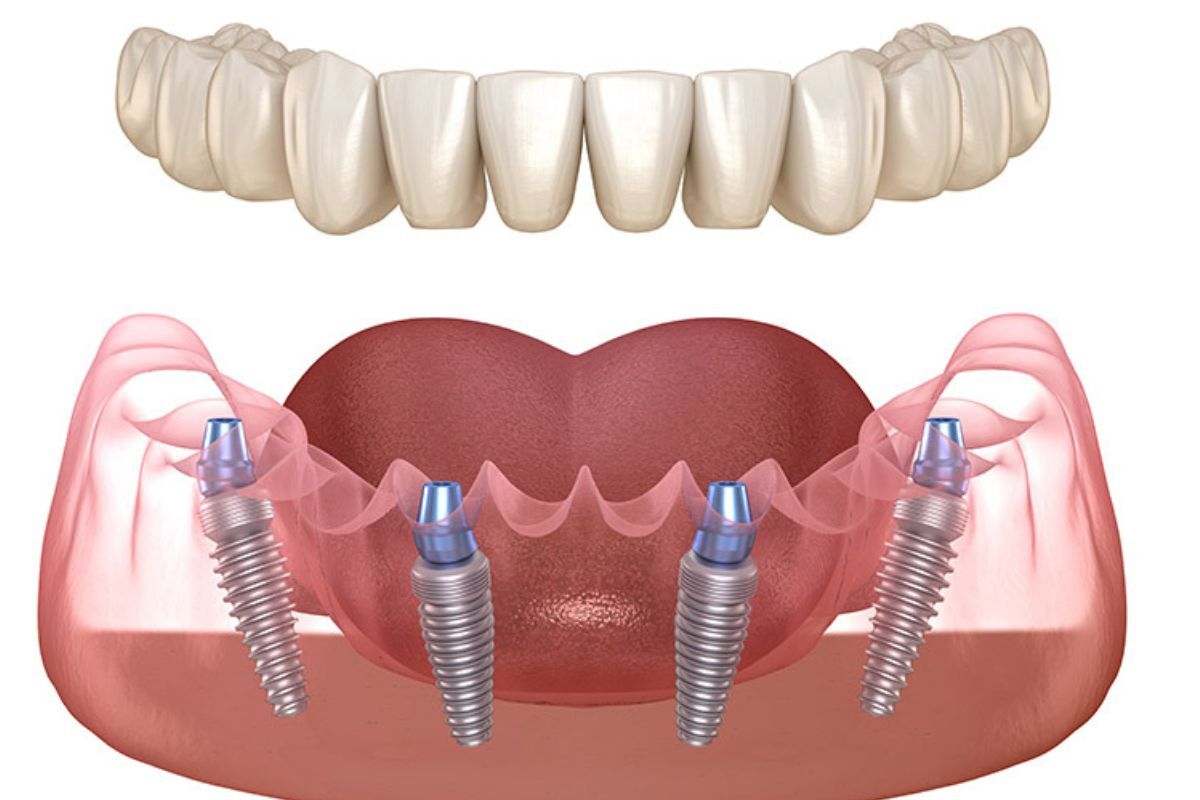
Choosing a full-arch tooth replacement is a major decision. Patients considering All on 4 implants in Silverdale often want to know more than whether the treatment can replace missing teeth—they want to understand how the dental team plans the procedure and what happens before surgery begins. All-on-4 is designed to support a full arch of replacement teeth using four strategically
Teeth Whitening in Silverdale: What to Know Before You Start
A brighter smile can make a noticeable difference, but professional teeth whitening is not a one-size-fits-all treatment. The right approach depends on what is causing your discoloration, the condition of your teeth and gums, and whether you have dental work that will not respond to whitening. If you are considering teeth whitening in Silverdale, a dental evaluation can help you