
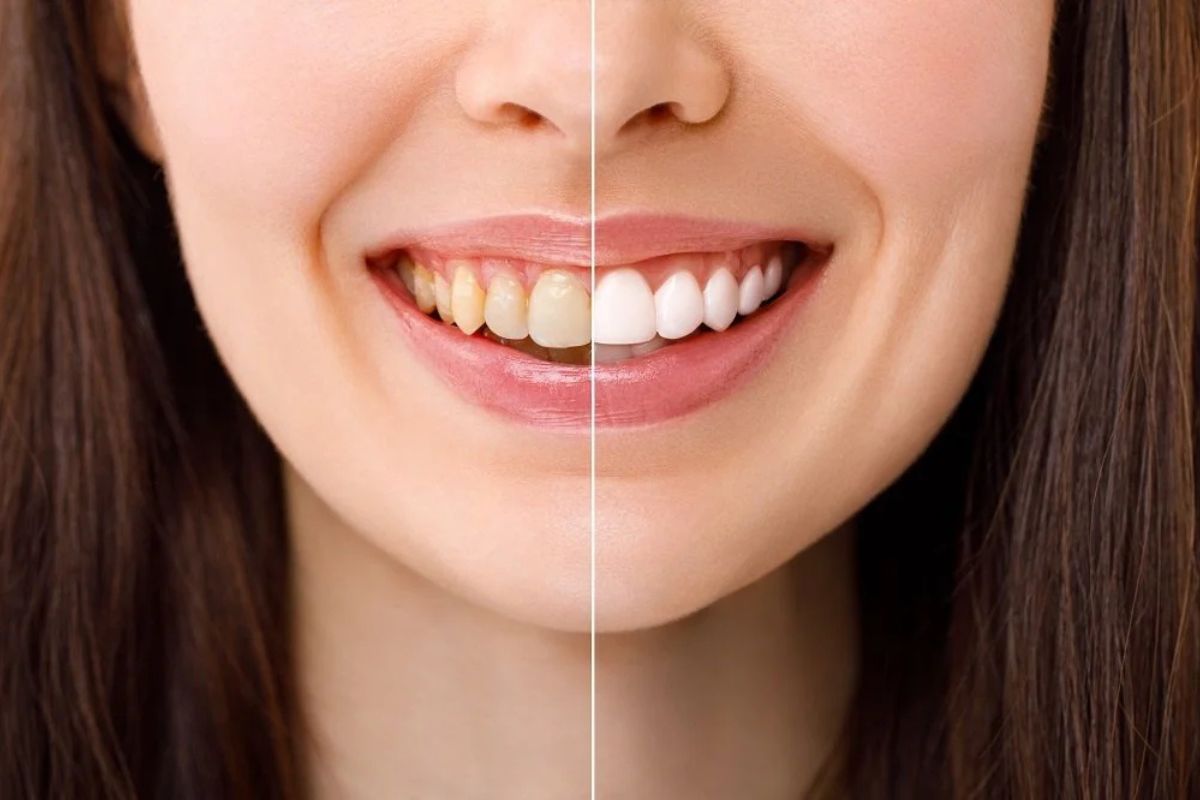
A bright smile can make a strong first impression, but many people notice their teeth darkening or turning more yellow over time. Tooth stain is one of the most common cosmetic dental concerns among adults and teenagers alike. While tooth discoloration may affect confidence, they are not always a sign of poor oral health.
Several everyday habits, natural aging, and even genetics can influence the color of your teeth. In some cases, stains develop slowly on the enamel surface. In others, changes occur beneath the enamel, causing teeth to appear darker over time.
Understanding the causes of stained teeth can help you protect your smile and choose the right whitening treatment for long-term results.
The Natural Color and Structure of Teeth
Many people believe healthy teeth should look bright white, but natural teeth are rarely pure white. Teeth contain multiple layers that affect their appearance.
The outer layer, known as enamel, is slightly translucent. Beneath the enamel sits dentin, which naturally has a yellow tone. As enamel thins or becomes stained, the dentin beneath becomes more visible, making teeth appear yellow or dull.
This process often happens gradually with age and is completely normal. However, certain lifestyle habits can speed up discoloration and make stains more noticeable.
Everyday Habits That Can Cause Yellow Teeth
Several common habits and lifestyle factors contribute to tooth discoloration. Some stains develop on the enamel surface, while others affect the inner structure of the teeth.
Dark Colored Foods and Drinks
Certain foods and beverages contain pigments that cling to enamel and slowly stain the teeth over time.
Common staining items include:
• Coffee
• Tea
• Red wine
• Dark sodas
• Tomato sauces
• Soy sauce
• Berries
Acidic beverages can also weaken enamel, making teeth more vulnerable to discoloration.
Smoking and Tobacco Use
Tobacco products are another major cause of yellow or brown stains on teeth. Nicotine and tar can penetrate enamel deeply, making stains difficult to remove with brushing alone.
Smoking may also contribute to:
• Bad breath
• Plaque buildup
• Gum disease
• Increased oral health risks
Over time, tobacco stains often become darker and more noticeable.
Poor Oral Hygiene Habits
Skipping regular brushing and flossing allows plaque and bacteria to build up on the teeth. This buildup can create a dull or yellow appearance.
If plaque is not removed properly, it can harden into tartar. Tartar often appears yellow or brown and usually requires professional dental cleaning for removal.
Aging and Enamel Wear
As people age, enamel naturally becomes thinner due to years of chewing, brushing, and exposure to acidic foods and drinks. Thinner enamel allows more of the yellow dentin underneath to show through.
This is one reason many adults notice their teeth becoming darker with age, even when they maintain good oral hygiene habits.
Medications and Health Conditions
Some medications can affect tooth color. Certain antibiotics taken during childhood may cause discoloration while teeth are developing.
Other medications can reduce saliva production, increasing the risk of stains and plaque buildup. Some medical treatments, including chemotherapy and radiation therapy, may also affect the appearance of teeth.
Genetics and Natural Tooth Shade
Genetics also plays a role in tooth color. Some people naturally have thicker enamel or brighter teeth, while others may have teeth that appear slightly darker despite proper oral care.
Simple Ways to Help Prevent Tooth Discoloration
While not every cause of yellow teeth can be avoided, healthy habits can reduce staining and help keep your smile brighter.
Maintain Consistent Oral Hygiene
Brush your teeth at least twice a day using fluoride toothpaste. Daily flossing also helps remove plaque and food particles between the teeth, where stains can develop.
Drink Water After Meals
Rinsing your mouth with water after consuming coffee, wine, or staining foods may help wash away pigments before they settle on enamel.
Limit Tobacco Products
Avoiding smoking and chewing tobacco helps reduce stains while supporting better overall oral health.
Schedule Regular Dental Cleanings
Professional cleanings remove plaque and tartar that brushing alone cannot eliminate. Routine dental visits also allow your dentist to identify discoloration concerns early.
Teeth Whitening Treatments That Can Brighten Your Smile
If stains have already developed, several whitening options may help improve the appearance of your teeth.
Professional Teeth Whitening for Faster Results
Professional whitening treatments are one of the most effective ways to remove stains and brighten your smile safely.
Dental professionals use stronger whitening agents that target discoloration more effectively than many store-bought products. Since the treatment is carefully supervised, patients often experience more even and longer-lasting results.
Many people choose professional whitening to achieve noticeable improvements before weddings, vacations, interviews, or special events.
Custom Take Home Whitening Trays
Some dental offices provide customized whitening trays designed specifically for your teeth. These trays hold professional-strength whitening gel and help distribute the product evenly across the enamel.
Custom trays allow patients to whiten their teeth gradually at home while still receiving professional guidance.
Over-the-Counter Whitening Products
Many whitening products are available in stores, including:
• Whitening toothpaste
• Whitening strips
• Whitening mouthwash
• Whitening pens
These products may help reduce mild surface stains, but the results are usually less dramatic than those of professional treatments.
When Should You Talk to a Dentist About Yellow Teeth?
Not all discoloration responds the same way to whitening treatments. Some stains affect the enamel surface, while others develop deeper inside the tooth structure.
A dental evaluation can help determine:
• The cause of discoloration
• Whether whitening treatment is appropriate
• Which treatment option may work best
• If cosmetic alternatives should be considered
In some situations, veneers or dental bonding may provide better cosmetic improvement for severe discoloration.
Keep Your Smile Bright With Professional Dental Care in Silverdale
Stained teeth can develop for many reasons, including aging, food and drink stains, smoking, and natural enamel changes. Fortunately, modern cosmetic dentistry offers several effective solutions to help brighten your smile and improve your confidence.
At Clear Creek Dentistry, our team provides personalized dental care designed to support both the health and appearance of your smile. Whether you are exploring professional whitening treatments or looking for guidance on improving your oral hygiene routine, we are here to help.
Visit our dental office in Silverdale to learn more about cosmetic dentistry options and discover how professional care can help you achieve a cleaner, healthier, and more radiant smile.
FAQs About Stained Teeth and Teeth Whitening Treatment
1. Why do teeth become yellow over time?
Teeth can become yellow because of aging, enamel thinning, smoking, and exposure to staining foods or drinks. As enamel wears down, the yellow dentin underneath becomes more visible.
2. Can professional whitening remove deep stains?
Professional whitening can improve many types of stains, especially surface discoloration from food, drinks, and tobacco. However, some deeper stains may require additional cosmetic treatments.
3. Does coffee permanently stain teeth?
Coffee can gradually stain enamel if consumed regularly, especially without proper oral hygiene. Professional cleanings and whitening treatments can often reduce these stains effectively.
4. Is teeth whitening safe for sensitive teeth?
Many patients with sensitive teeth can still receive whitening treatment safely. Dentists may recommend specific products or techniques designed to minimize sensitivity during treatment.
5. How long do whitening results usually last?
Results vary depending on lifestyle habits and oral hygiene. Patients who avoid tobacco and limit staining foods or drinks often maintain results longer.
6. Can brushing alone make teeth white again?
Brushing helps remove plaque and mild surface stains, but deeper discoloration may require professional whitening treatment for noticeable improvement.
7. When should I visit a dentist about tooth discoloration?
You should schedule a dental visit if discoloration becomes more noticeable, worsens suddenly, or does not improve with regular oral hygiene practices.
Recent Posts

Teeth Whitening in Silverdale: Is Professional Whitening Right for You?
A brighter smile can make a noticeable difference in how you feel about your appearance. But professional teeth whitening is not automatically the best choice for every patient. The right approach depends on the type of discoloration you have, the condition of your teeth and gums, and what you want your smile to look like. A dental evaluation can help ...

Valentine’s Day Glow-Up with Professional Teeth Whitening
Valentine’s Day is the perfect time to celebrate love, confidence, and meaningful moments. Whether you’re planning a romantic dinner, a special night out, or simply want to feel your absolute best, your smile plays a powerful role in making a lasting impression. If you’re preparing for the big day, now is the ideal time to give your smile the attention ...

Is Your Enamel Safe During Whitening? What You Need to Know
Bright, white teeth can instantly boost your confidence, whether you are enjoying a coffee date at Silverdale Waterfront or attending a weekend outing. Many people turn to teeth whitening for a dazzling smile, but concerns about enamel health often arise. Understanding how whitening works, its effects on enamel, and ways to protect your teeth is essential before starting any treatment. ...

How Long Do Professional Teeth Whitening Results Last?
A bright smile can make a lasting impression. Many young people and adults choose professional teeth whitening to improve confidence and refresh their appearance. One of the most common questions dentists hear is simple and practical. How long do professional teeth whitening results last? The answer depends on several personal factors, including daily habits, oral care routines, and lifestyle choices. ...
Recent Posts
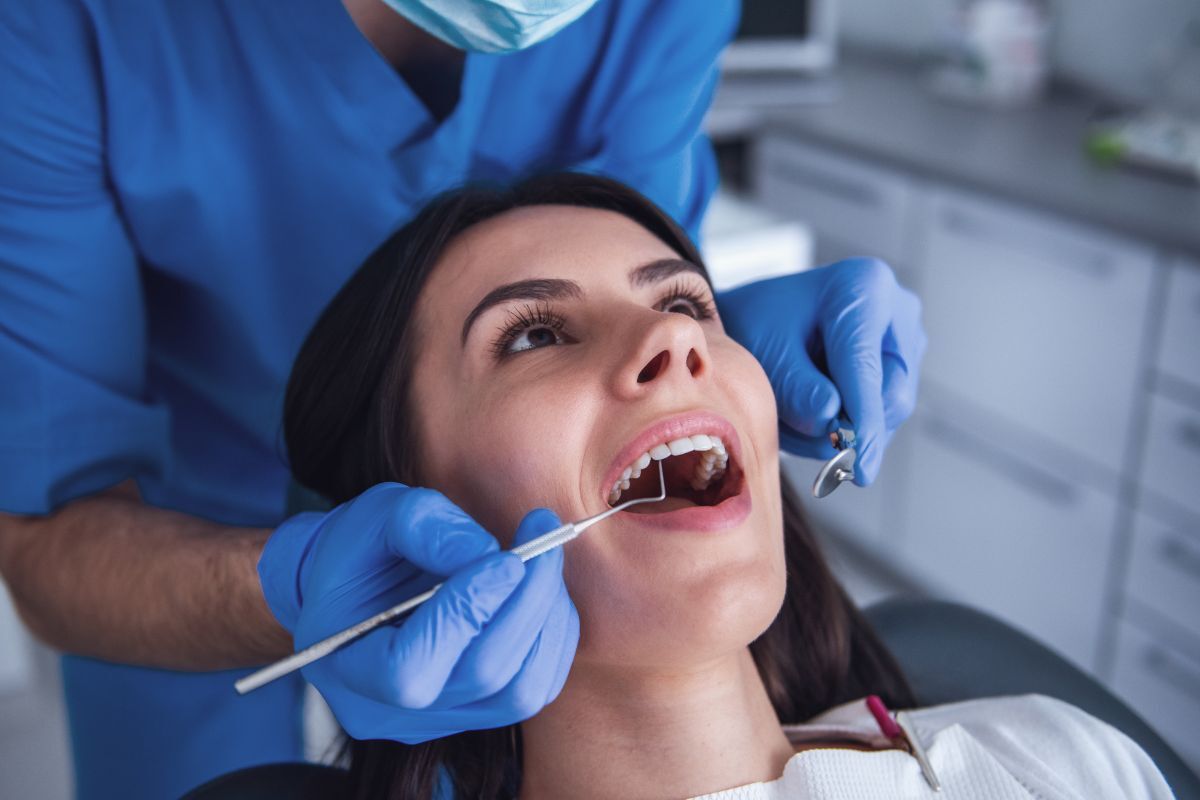
What to Expect During Your First Visit to a Silverdale Dentist
Choosing a new dental office is one thing. Knowing what will actually happen when you arrive is another. If you are visiting a Silverdale dentist for the first time, you may have questions about paperwork, X-rays, the dental examination, cleaning, treatment recommendations, insurance, or what happens if the dentist discovers a problem. A first appointment should do more than identify
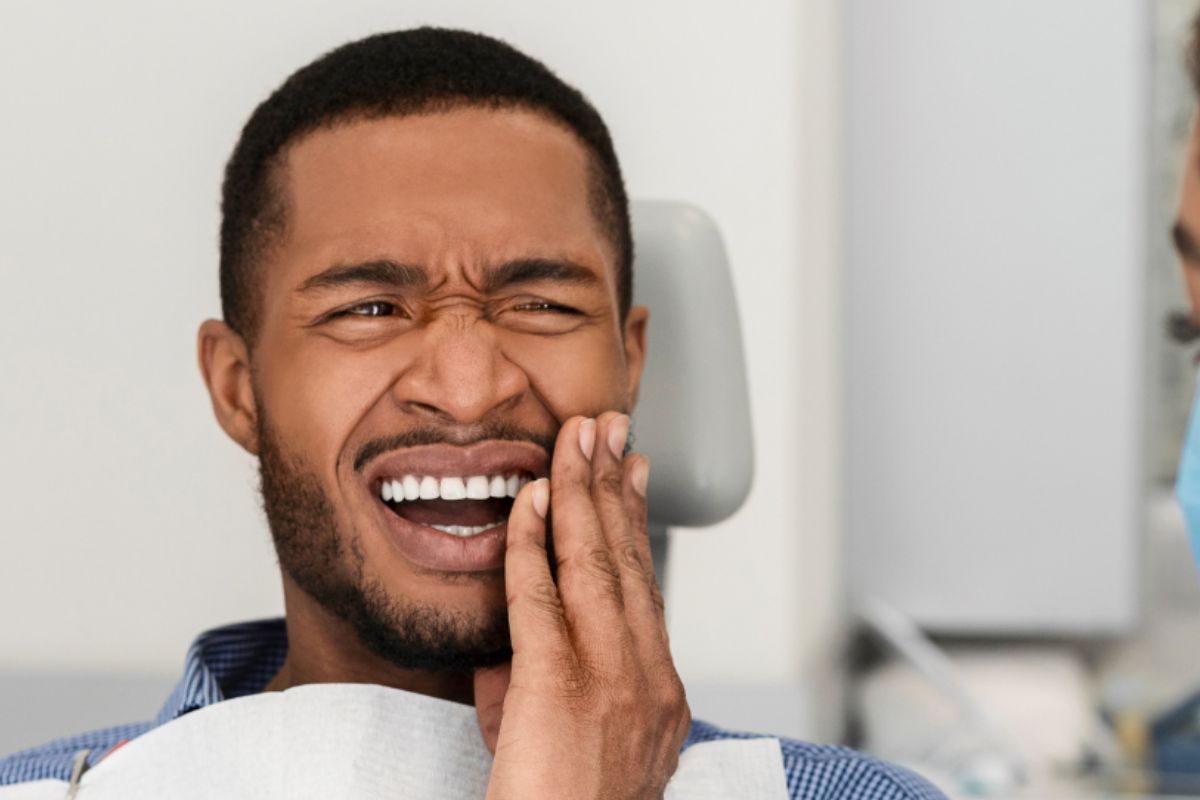
Emergency Dentist Near Me: What Should I Do in a Dental Emergency?
When a tooth suddenly breaks, severe dental pain wakes you up, or swelling develops around your mouth, finding an emergency dentist near me becomes an immediate priority. But knowing where to go is only part of the problem. You may also be wondering what to do before you reach the dental office, whether your situation can wait, and when a