
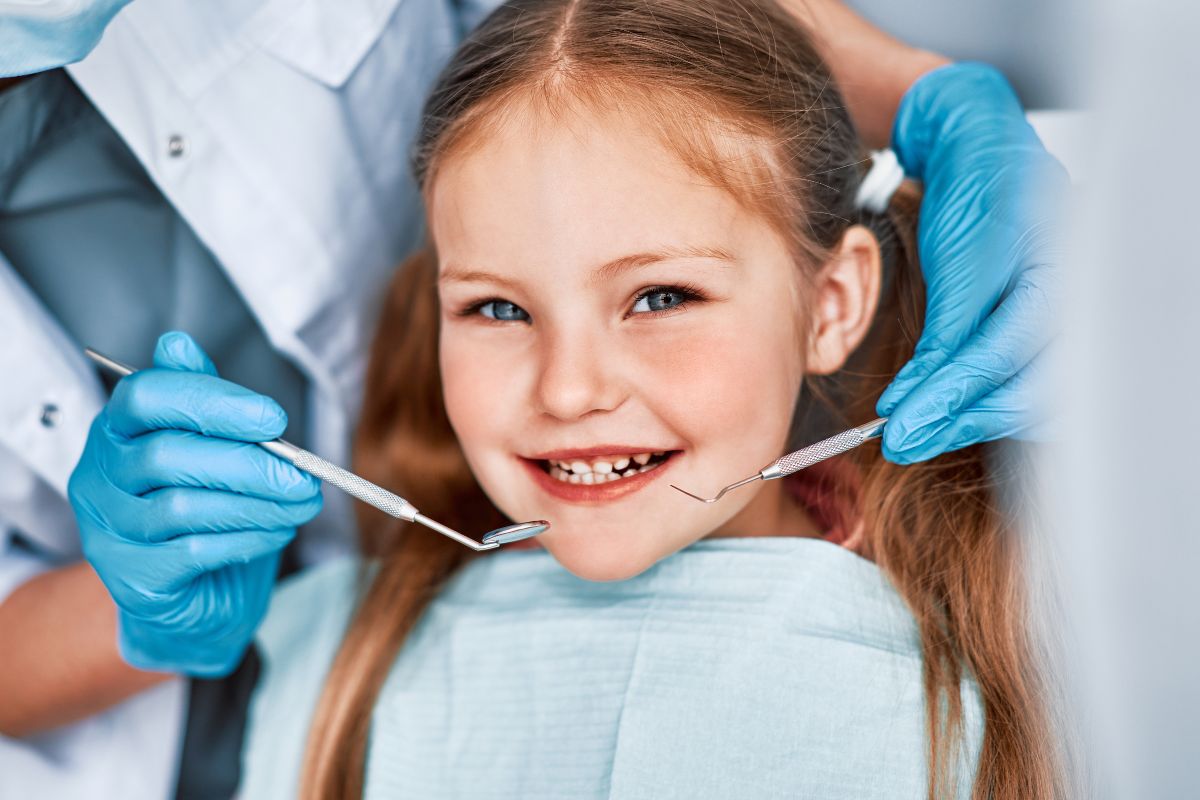
When it comes to protecting your kid’s teeth, prevention often makes the biggest difference. Brushing twice a day, flossing regularly, and limiting sugary foods all play a major role in healthy teeth. But even children with good oral hygiene can still develop cavities, especially in the back molars, where food and bacteria often hide.
That is where dental sealants can be highly beneficial. These thin protective coatings are designed to shield vulnerable teeth from decay before problems begin. For many parents in Silverdale, understanding whether sealants truly work can help them make confident decisions about their child’s long-term oral health.
Why Cavities Are So Common In Kids?
Children are naturally more prone to cavities than adults for several reasons. Their enamel is still developing, making teeth slightly more vulnerable to decay. On top of that, most kids are still learning proper brushing and flossing techniques, which means plaque can easily be left behind.
The back teeth (molars) are especially at risk. These teeth have deep grooves and pits that act like tiny traps for food particles and bacteria. Even with good brushing habits, toothbrush bristles often cannot reach deep enough to clean them completely.
Add frequent snacking, juice boxes, and sugary treats into the mix, and the risk increases even more. That’s why consistent kids’ dental care is so important; it focuses on early prevention and protecting vulnerable teeth before decay develops.
What Are Dental Sealants?
Dental sealants are thin coatings placed over the chewing surfaces of back teeth, especially molars and premolars.
These teeth naturally contain tiny grooves that can hold plaque, food particles, and bacteria. Even with careful brushing, these areas are difficult to clean completely.
Sealants create a smooth protective layer over those grooves, reducing the chances of bacteria settling into the tooth’s surface. Covering these vulnerable areas helps lower the risk of cavities.
They are commonly recommended for children because molars are among the most cavity-prone teeth.
How Are Dental Sealants Applied?
The process is simple, comfortable, and usually completed in one appointment.
Here is what typically happens during treatment:
- The tooth is cleaned thoroughly to remove buildup or debris
- A mild conditioning solution is placed on the tooth surface
- The tooth is rinsed and dried
- The sealant material is carefully painted onto the grooves
- A special curing light hardens the coating within seconds
Once complete, the tooth has a protective shield that helps block bacteria and food particles.
The procedure is noninvasive, quick, and painless.
Do Sealants Really Reduce the Risk of Cavities?
Research and clinical experience consistently show that sealants significantly reduce the risk of cavities in children. By sealing off the grooves where decay often begins, they stop bacteria from settling in those hard-to-reach areas.
Children with sealants on their molars are far less likely to develop cavities compared to those without them. The protection can last for several years, especially when combined with good oral hygiene and regular dental visits.
Sealants do not replace brushing or flossing. Instead, they enhance your child’s overall dental care routine. Think of them as an added shield that supports daily habits.
When Should Children Get Dental Sealants?
Timing matters when it comes to protecting newly erupted permanent teeth. Dentists commonly recommend sealants once permanent molars come in.
Around Age 6
The first set of permanent molars usually appears. Applying sealants at this stage helps protect teeth early.
Around Age 12
Second molars often erupt around this age and may also benefit from sealants.
Sealing teeth soon after they emerge allows protection during the years when children are often most prone to cavities.
Can Baby Teeth Also Benefit From Sealants?
In certain cases, sealants may also be considered for baby teeth, particularly if a child is at higher risk for cavities. Since primary teeth help guide the proper development of permanent teeth, protecting them is equally important.
Your dentist will evaluate your child’s specific needs and recommend the best course of action.
Are Dental Sealants Safe for Kids?
Safety is often one of the biggest concerns parents have. Dental sealants have been used for many years and are considered safe, reliable, and widely used in preventive dentistry.
The treatment does not involve:
- Drilling
- Needles
- Surgery
- Recovery time
Most children remain comfortable throughout the appointment, and the process is completed quickly. If parents have questions about materials or treatment steps, their dentist can explain the procedure clearly and help them feel confident about care decisions.
How Long Do Dental Sealants Last?
Sealants are durable but not permanent. In many cases, they can last between 5 to 10 years, depending on daily habits and wear. During regular dental checkups, your dentist will inspect them to ensure they remain intact. If the coating becomes chipped or worn, reapplication may be recommended.
You can help extend their lifespan by encouraging your child to:
- Brush twice daily
- Floss consistently
- Avoid chewing hard objects like ice
- Limit sugary or sticky snacks
- Attend regular dental exams
Routine care helps maintain both the sealants and the overall health of the teeth.
Sealants and Everyday Oral Hygiene
Sealants work best when combined with consistent oral hygiene habits. Brushing twice a day with fluoride toothpaste and flossing daily remains the foundation of healthy teeth.
Regular dental checkups allow your dentist to monitor your child’s oral health and catch any early signs of issues. Professional cleanings also remove plaque that brushing alone may miss.
Encouraging healthy eating habits can further support your child’s smile. Limiting sugary snacks and drinks reduces the risk of tooth decay and helps sealants work effectively.
The Role of Preventive Care in Kids
Preventive care goes beyond treating problems. It focuses on stopping them before they start. Sealants, fluoride treatments, and regular checkups all contribute to this proactive approach.
Early prevention leads to healthier smiles and more positive dental experiences. Children who grow up with strong preventive care habits are more likely to maintain good oral health into adulthood.
Protect Your Kid’s Dental Health with Expert Care
Helping your child maintain healthy teeth starts with strong preventive care. Dental sealants can provide valuable protection for cavity-prone molars and support long-term oral health.
At Clear Creek Dentistry, we are committed to making your little ones feel comfortable and supported with trusted dental care. If you are exploring ways to protect your kid’s oral health, our team is here to help. Visit our Silverdale dental office to know whether sealants are the right choice for your child.
FAQs About Dental Sealants for Children
1. At what age should children get dental sealants?
Most children receive sealants when their first permanent molars erupt, usually around age six. A second set of molars often appears around age twelve and may also benefit from treatment. Early application helps protect teeth before decay begins.
2. Is getting sealants painful for children?
No, the procedure is painless and noninvasive. It does not involve drilling, injections, or recovery time. Most children feel comfortable during treatment.
3. Do sealants completely prevent cavities?
Sealants significantly reduce the risk of cavities in protected molars, but they do not eliminate cavity risk entirely. Good brushing, flossing, and regular dental visits remain essential.
4. Can toddlers or younger children get sealants?
In some cases, dentists may recommend sealants for baby teeth if a child is at higher risk for decay. This depends on their dental health and individual needs.
5. How do dentists know if sealants need replacing?
During routine checkups, dentists inspect sealants for wear, damage, or chipping. If needed, they can be repaired or reapplied quickly.
6. Do sealants replace brushing and flossing?
No. Sealants protect only certain chewing surfaces of the back teeth. Daily brushing, flossing, and routine cleanings remain the foundation of good oral health.
Recent Posts

Simple Ways to Protect Your Kids’ Teeth from Cavities
Cavities in children are more common than many parents expect, but the encouraging part is that they are largely preventable. With a few consistent habits at home, you can protect your child’s teeth and set the stage for a lifetime of healthy smiles. It is not about being perfect. It is about building simple routines, staying aware of daily choices, ...

The Role of Probiotics in Children’s Dental Care
Today’s parents are becoming more thoughtful about how everyday choices impact their child’s health, including their oral health. While brushing, flossing, and regular dental visits remain essential, there’s growing curiosity around probiotics and their potential benefits for kids’ teeth and gums. Often linked to gut health, probiotics are now being explored for their role in balancing bacteria in the mouth. ...

First Dental Visit for Kids: What Parents Need to Know
As a parent, you want your child to start life with the healthiest habits possible. From balanced meals to regular checkups, every little step counts. One milestone that often gets overlooked is your child’s first dental visit. Many parents think dental care starts when permanent teeth appear or when kids begin school, but the truth is, earlier is better. Scheduling ...
All on 4 Implants in Silverdale: What the Treatment Planning Process Looks Like
Choosing a full-arch tooth replacement is a major decision. Patients considering All on 4 implants in Silverdale often want to know more than whether the treatment can replace missing teeth—they want to understand how the dental team plans the procedure and what happens before surgery begins. All-on-4 is designed to support a full arch of replacement teeth using four strategically ...
Recent Posts
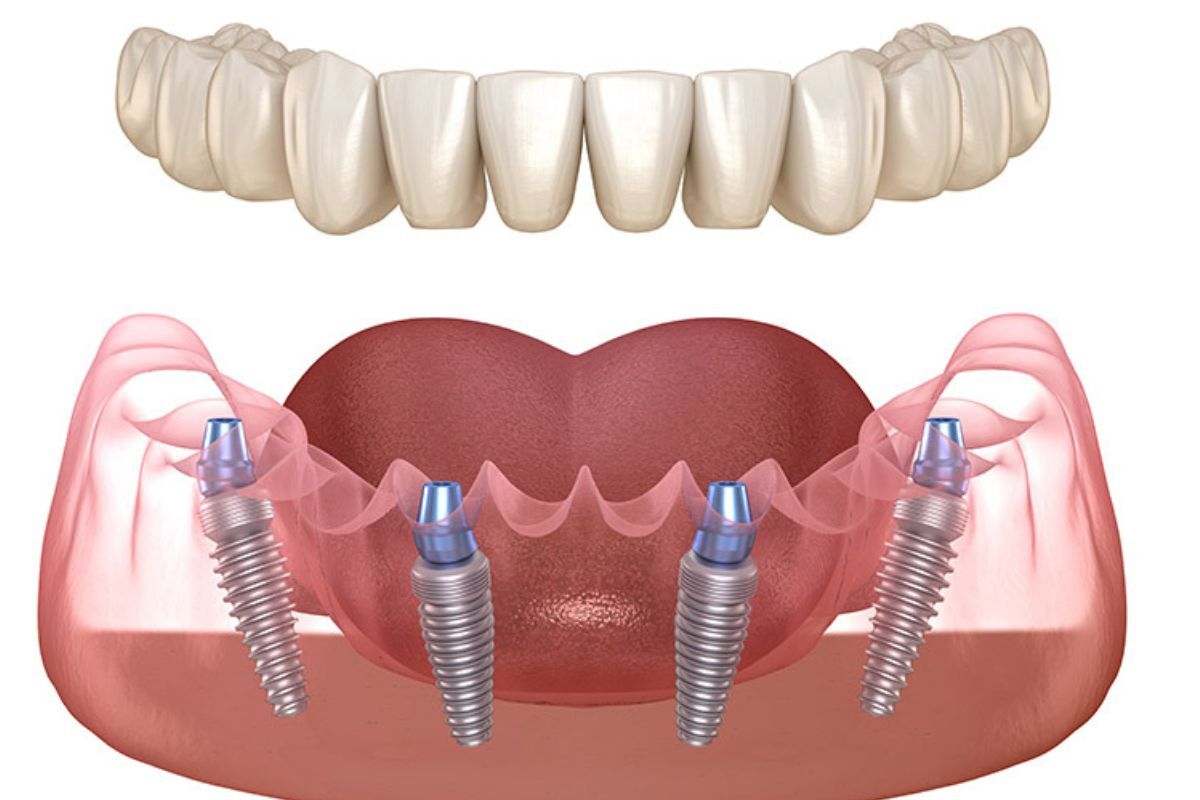
All on 4 Implants in Silverdale: What the Treatment Planning Process Looks Like
Choosing a full-arch tooth replacement is a major decision. Patients considering All on 4 implants in Silverdale often want to know more than whether the treatment can replace missing teeth—they want to understand how the dental team plans the procedure and what happens before surgery begins. All-on-4 is designed to support a full arch of replacement teeth using four strategically
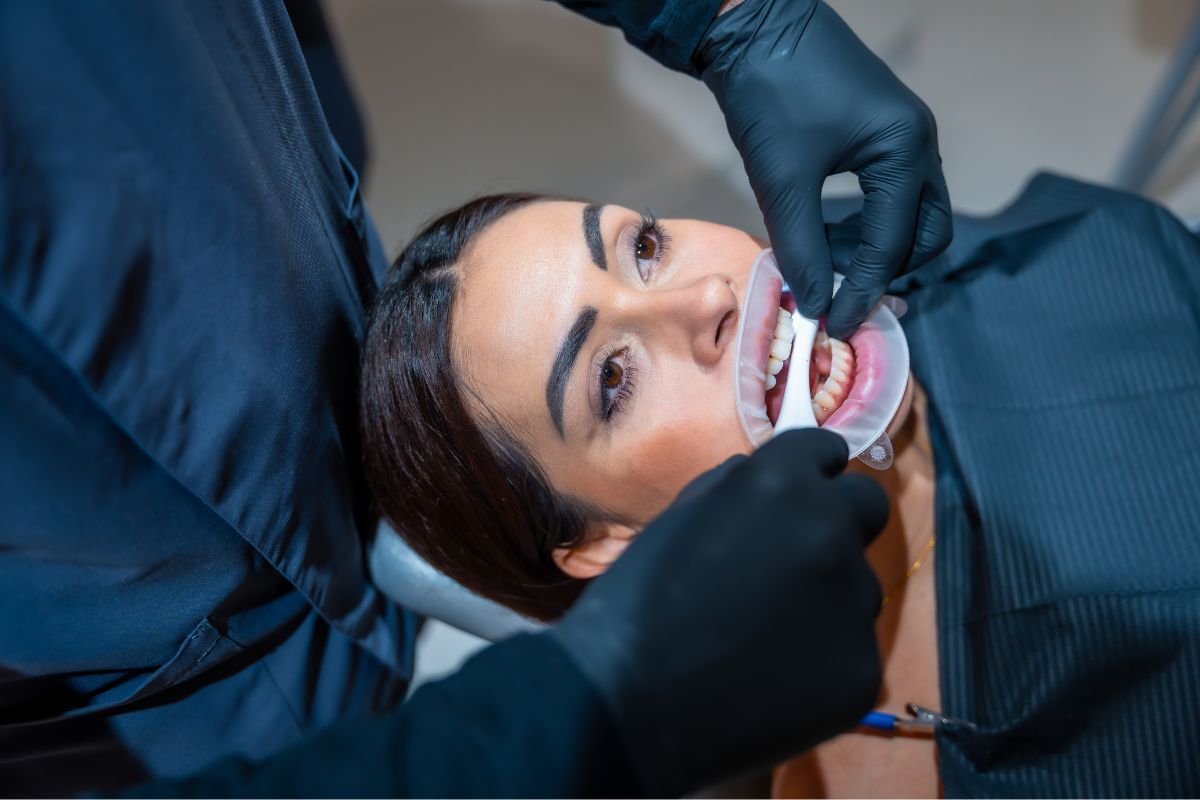
Teeth Whitening in Silverdale: What to Know Before You Start
A brighter smile can make a noticeable difference, but professional teeth whitening is not a one-size-fits-all treatment. The right approach depends on what is causing your discoloration, the condition of your teeth and gums, and whether you have dental work that will not respond to whitening. If you are considering teeth whitening in Silverdale, a dental evaluation can help you