

Cavities in children are more common than many parents expect, but the encouraging part is that they are largely preventable. With a few consistent habits at home, you can protect your child’s teeth and set the stage for a lifetime of healthy smiles. It is not about being perfect. It is about building simple routines, staying aware of daily choices, and making small decisions that fit naturally into your family’s everyday life.
Follow Healthy Oral Care Habits from an Early Age
Children thrive on routine, and their oral health is no different. Establishing simple habits early makes brushing and flossing feel normal rather than a chore. When kids grow up understanding that caring for their teeth is part of their day, they are more likely to stick with it.
Here is where to start:
- Brush twice a day using a fluoride toothpaste
- Supervise brushing until your child can do it well on their own
- Introduce flossing as soon as two teeth touch
- Keep brushing fun with songs, timers, or colorful toothbrushes
This is where a thoughtful approach to kids’ dental care can make a lasting impact.
Reduce Frequent Sugar Exposure
Sugary foods and beverages are among the leading contributors to cavities. While it is unrealistic to eliminate sugar completely, limiting how often your child consumes sugary foods and drinks can significantly reduce their risk of tooth decay.
Instead of allowing sweets throughout the day, try serving treats during meals. This minimizes the amount of time harmful bacteria have to produce acids that attack tooth enamel.
Healthier snack alternatives include:
- Cheese
- Yogurt
- Fresh fruits
- Crunchy vegetables
- Nuts, when age-appropriate
Small dietary adjustments can go a long way toward protecting your child’s smile without making them feel deprived.
Make Water the First Choice Every Day
Water does much more than keep your child hydrated. It plays an important role in protecting their teeth by helping rinse away leftover food particles and cavity-causing bacteria. When your local water supply contains fluoride, it adds another layer of protection by strengthening enamel and making teeth more resistant to decay.
Encouraging your child to reach for water throughout the day can be a simple yet powerful habit. Offering water after meals and snacks helps keep the mouth clean, while carrying a reusable water bottle to school makes it easier to choose water over sugary drinks.
This small and consistent change can have a lasting impact on your child’s oral health.
Stay Consistent with Routine Dental Checkups
Even when children practice excellent oral hygiene at home, regular dental visits remain essential. Professional examinations allow dental issues to be identified before they progress into larger concerns.
Routine appointments may include:
- Monitoring for early signs of tooth decay
- Professional cleanings to remove plaque buildup
- Personalized oral health recommendations
- Preventive treatments based on your child’s needs
Regular visits help maintain healthy smiles while making dental care a comfortable and familiar experience for children.
Strengthen Teeth with Appropriate Fluoride Use
Fluoride is a valuable tool in cavity prevention because it helps reinforce tooth enamel and makes teeth more resistant to acid attacks. Using fluoride toothpaste as recommended and following your dentist’s guidance can provide important protection during childhood.
Some children may also benefit from professional fluoride applications during routine dental visits. When used appropriately, fluoride serves as a safe and effective way to support stronger teeth and reduce the risk of cavities.
Protect Back Teeth with Dental Sealants
Molars contain deep grooves that can be difficult for children to clean thoroughly, even when they brush regularly. These areas are often common sites for cavities.
Dental sealants provide an additional layer of protection by covering the chewing surfaces of molars with a thin protective coating. This barrier helps prevent food particles and bacteria from settling into hard-to-reach grooves.
Benefits of sealants include:
- Quick and comfortable application
- No drilling or numbing required
- Long-lasting cavity protection
- Reduced risk of decay in molars
When combined with good oral hygiene and regular dental visits, sealants can play a significant role in preventing cavities.
Let’s Keep Little Smiles Bright in Silverdale
Helping your child avoid cavities does not have to feel overwhelming. With the right habits and regular guidance, healthy smiles come naturally over time. At Clear Creek Dentistry, we are here to support your family every step of the way.
Visit our dental office in Silverdale for personalized care and practical advice tailored to your child’s needs. Schedule an appointment today and give your child a confident, cavity-free smile for the future.
FAQs on Preventing Cavities in Kids
1. When should my child begin brushing their teeth?
Brushing should start as soon as the first tooth appears. Use a soft-bristled toothbrush and a small amount of fluoride toothpaste appropriate for your child’s age.
2. How often should children visit the dentist?
Most children benefit from dental checkups every six months, although your dentist may recommend a different schedule based on individual needs.
3. Why are baby teeth important if they eventually fall out?
Primary teeth help children chew properly, speak clearly, and guide permanent teeth into their correct positions.
4. What are the most common causes of cavities in children?
Frequent sugar consumption, inadequate brushing and flossing, and missed dental appointments are among the most common contributors to tooth decay.
5. Can early cavities be stopped before they worsen?
In some cases, very early stages of decay can be managed with fluoride treatments and improved oral hygiene before a cavity fully develops.
6. Does juice increase cavity risk?
Yes. Frequent consumption of juice can contribute to tooth decay because of its natural and added sugars. Water is generally the healthier choice for teeth.
7. How can parents recognize signs of a cavity?
White spots on teeth, sensitivity, discomfort when eating, or tooth pain may indicate a cavity. A professional dental examination can provide an accurate diagnosis.
Recent Posts
How Dental Sealants Help Protect Children’s Teeth From Decay
When it comes to protecting your kid’s teeth, prevention often makes the biggest difference. Brushing twice a day, flossing regularly, and limiting sugary foods all play a major role in healthy teeth. But even children with good oral hygiene can still develop cavities, especially in the back molars, where food and bacteria often hide. That is where dental sealants can ...

The Role of Probiotics in Children’s Dental Care
Today’s parents are becoming more thoughtful about how everyday choices impact their child’s health, including their oral health. While brushing, flossing, and regular dental visits remain essential, there’s growing curiosity around probiotics and their potential benefits for kids’ teeth and gums. Often linked to gut health, probiotics are now being explored for their role in balancing bacteria in the mouth. ...

First Dental Visit for Kids: What Parents Need to Know
As a parent, you want your child to start life with the healthiest habits possible. From balanced meals to regular checkups, every little step counts. One milestone that often gets overlooked is your child’s first dental visit. Many parents think dental care starts when permanent teeth appear or when kids begin school, but the truth is, earlier is better. Scheduling ...
How to Choose a Dentist in Silverdale, WA
Finding a dental practice you feel comfortable visiting is an important part of maintaining your oral health. Whether you need a routine checkup, want to address a dental concern, or are exploring treatment options, choosing the right dentist can make it easier to stay consistent with your care. For individuals and families in Silverdale, WA, understanding what to look for ...
Recent Posts
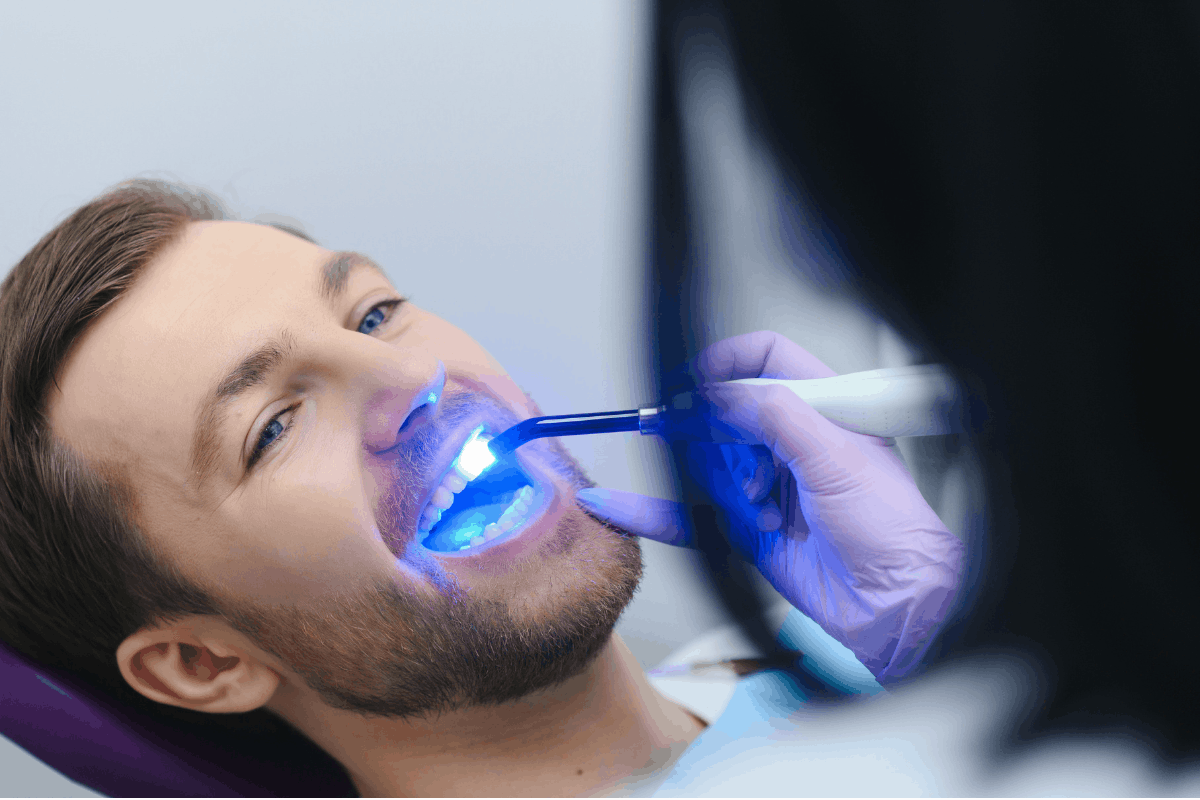
How to Choose a Dentist in Silverdale, WA
Finding a dental practice you feel comfortable visiting is an important part of maintaining your oral health. Whether you need a routine checkup, want to address a dental concern, or are exploring treatment options, choosing the right dentist can make it easier to stay consistent with your care. For individuals and families in Silverdale, WA, understanding what to look for

Emergency Dentist in Silverdale: What to Do During the First Hour
Dental emergencies rarely happen at a convenient time. A tooth can break while eating dinner. A child can fall and injure a front tooth. Severe dental pain can appear overnight. A filling or crown can come loose just before an important meeting. When something goes wrong, knowing what to do in the first hour can help protect the tooth and