
Losing one or more teeth can affect much more than your smile. It can change the way you chew, speak, and feel about your appearance. Fortunately, dental implants have become one of the most reliable and long-lasting solutions for replacing missing teeth.
If you’re researching dental implants Silverdale, one of the first questions you may have is whether you’re a good candidate. The answer depends on several factors, including your oral health, overall health, and treatment goals. While many adults qualify for dental implants, a thorough evaluation is the best way to determine the right approach for your smile.
Here’s what dentists look for when deciding if dental implants are a suitable option.
What Makes Someone a Good Candidate for Dental Implants?
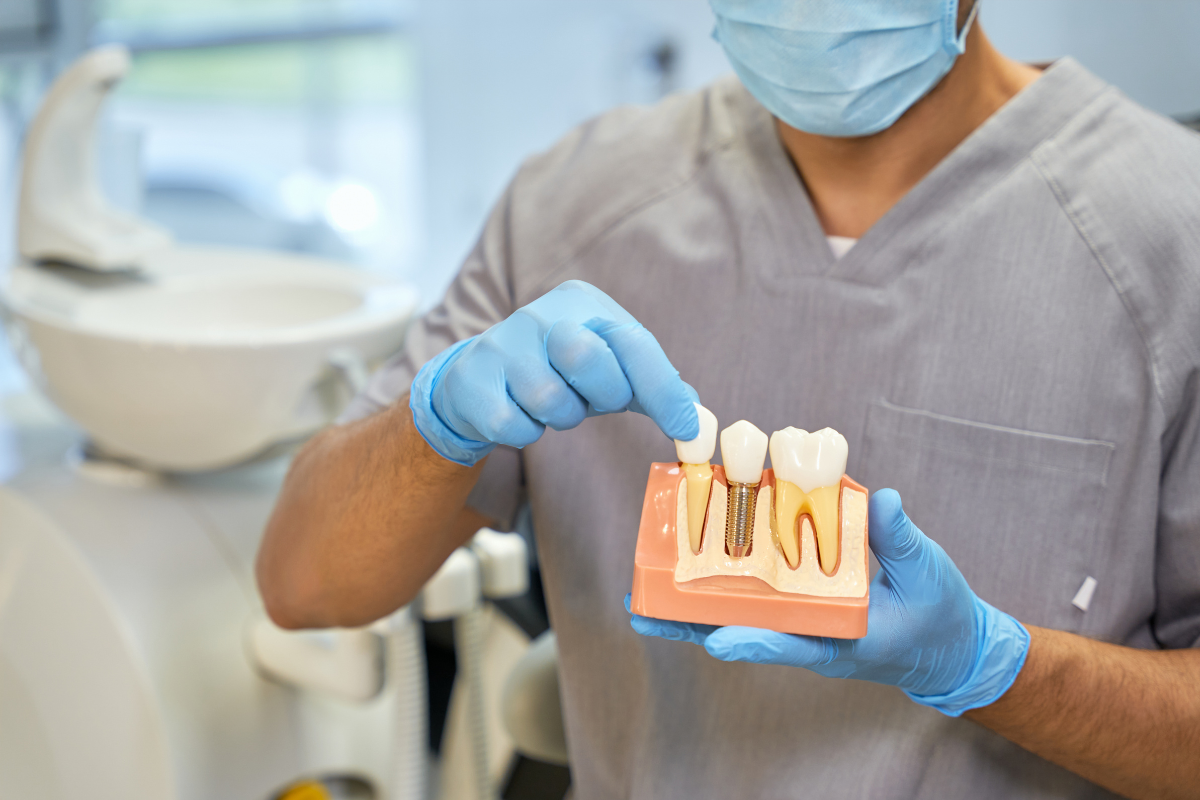
Dental implants are designed to replace the root of a missing tooth. The implant is placed into the jawbone, where it gradually fuses with the bone through a natural process called osseointegration. Once healing is complete, a custom restoration, such as a crown, bridge, or denture, is attached to restore your smile.
To support this process, several factors are considered during your evaluation.
Healthy Gums
Healthy gum tissue plays an important role in the long-term success of dental implants.
If you have active gum disease, your dentist may recommend treating the infection before implant placement. Healthy gums provide a stable environment for healing and help support the tissues around the implant for years to come.
Signs of gum disease may include:
- Bleeding when brushing or flossing
- Persistent bad breath
- Swollen or tender gums
- Gum recession
- Loose teeth
Treating these issues first can improve your overall oral health and prepare you for implant treatment.
Is There Enough Jawbone to Support an Implant?
One of the most important factors in determining implant candidacy is the amount and quality of your jawbone.
After a tooth is lost, the surrounding bone no longer receives stimulation from the tooth root. Over time, the bone may begin to shrink. If significant bone loss has occurred, additional treatment may be recommended before placing an implant.
Modern diagnostic technology allows dentists to evaluate bone levels with great precision.
Can Bone Loss Prevent You From Getting Implants?
Not necessarily.
Many patients who have experienced bone loss may still be candidates for dental implants after procedures such as bone grafting. These treatments help rebuild the bone so it can better support an implant.
Your dentist will determine whether additional treatment is appropriate based on your individual needs.
Your Overall Health Matters
Your general health also plays a role in healing after implant placement.
Certain medical conditions don’t automatically rule out dental implants, but they may require careful planning or coordination with your physician.
Examples include:
- Diabetes that isn’t well controlled
- Autoimmune conditions
- Certain medications that affect bone healing
- Previous radiation therapy involving the jaw
- Conditions that affect the immune system
During your consultation, it’s important to share your complete medical history and current medications so your dentist can develop a treatment plan that supports safe healing.
Missing One Tooth or Several? Implants Can Be Adapted
Many people assume dental implants are only for replacing a single missing tooth. In reality, implants can be used in several different situations.
Depending on your needs, implants may support:
- A single dental crown
- A dental bridge
- An implant-supported denture
- Full-arch tooth replacement
Your dentist will recommend an option based on the number of missing teeth, the condition of your remaining teeth, and your long-term oral health goals.
Age Isn’t Usually the Deciding Factor
Many adults wonder if they’re “too old” for dental implants.
In most cases, age alone isn’t the deciding factor. What matters more is your overall health and the condition of your gums and jawbone.
Healthy adults well into their senior years may still be excellent candidates for implants if they can heal normally and have adequate bone support.
Likewise, younger patients generally need to wait until jaw growth is complete before receiving implants.
Lifestyle Habits Can Influence Success
Your daily habits can affect both healing and the long-term success of dental implants.
For example, smoking can slow healing and increase the risk of complications after oral surgery. If you smoke, your dentist may discuss strategies to reduce these risks before treatment.
Good oral hygiene is equally important.
Maintaining your dental implants requires the same commitment to brushing, flossing, and routine dental visits as caring for natural teeth. Consistent home care helps keep the surrounding gums healthy and supports long-term implant success.
Why a Comprehensive Consultation Is So Important
Every smile is different.
That’s why determining whether you’re a candidate for dental implants involves much more than looking at the missing tooth.
During your consultation, your dentist may:
Review Your Dental History
Understanding previous dental treatments, missing teeth, and existing restorations helps create a personalized treatment plan.
Perform a Comprehensive Oral Examination
Your dentist will examine your teeth, gums, bite, and surrounding tissues to identify any conditions that should be addressed before implant treatment.
Take Digital Images
Digital X-rays and, when appropriate, 3D imaging provide detailed information about bone levels, tooth position, and nearby anatomical structures.
These images help your dentist determine the most appropriate implant location while planning treatment with accuracy.
Discuss Your Goals
Some patients prioritize restoring chewing function, while others are most concerned about aesthetics or replacing several missing teeth.
Understanding your goals allows your dentist to recommend solutions that fit your lifestyle and expectations.
What If You’re Not an Ideal Candidate Today?
Not qualifying immediately doesn’t always mean dental implants are off the table.
Many patients become candidates after improving their oral health or completing recommended preparatory treatment.
Examples may include:
- Treating gum disease
- Addressing tooth decay
- Bone grafting
- Tooth extraction when necessary
- Improving oral hygiene habits
Taking these steps can help create a healthier foundation for future implant treatment.
Why Patients in Silverdale Choose Dental Implants
Dental implants remain one of the most predictable tooth replacement options because they are designed to function like natural tooth roots.
Patients often appreciate benefits such as:
- A stable, secure fit
- Natural-looking results
- Improved chewing ability
- Preservation of jawbone stimulation
- Support for long-term oral health
- No need to rely on neighboring teeth for support
Your individual results will depend on your oral health, treatment plan, and commitment to ongoing dental care.
Schedule a Dental Implant Consultation in Silverdale
The only way to know if dental implants are right for you is through a comprehensive evaluation.
At Clear Creek Dentistry, our team carefully evaluates your oral health, reviews your medical history, and discusses your treatment goals before recommending a personalized solution. Whether you’re missing one tooth or several, we’ll help you understand your options and answer your questions every step of the way.
If you’re considering dental implants Silverdale, schedule a consultation with Clear Creek Dentistry to learn whether implant treatment is the right choice for restoring your healthy, confident smile.
FAQs
1. Who is a good candidate for dental implants?
Most healthy adults with sufficient jawbone and healthy gums are potential candidates for dental implants. A dental examination and imaging are needed to determine if implant treatment is appropriate for your specific situation.
2. Can I get dental implants if I’ve been missing teeth for years?
Possibly. Even if you’ve lived with missing teeth for a long time, you may still qualify for dental implants. If bone loss has occurred, your dentist may recommend additional procedures, such as bone grafting, before implant placement.
3. Do dental implants require special care?
No. Dental implants should be cared for much like natural teeth. Brushing twice daily, flossing, and attending regular dental checkups help maintain healthy gums and support the longevity of your implants.
4. Are dental implants painful?
The implant procedure is typically performed using local anesthesia to keep patients comfortable. Some soreness during the healing period is normal, and your dentist will provide instructions to help manage recovery.
5. How do I know if dental implants are right for me?
The best way to find out is by scheduling a consultation. Your dentist will examine your oral health, evaluate your jawbone, review your medical history, and recommend the treatment options that best fit your needs.
Recent Posts
All on 4 Implants in Silverdale: What the Treatment Planning Process Looks Like
Choosing a full-arch tooth replacement is a major decision. Patients considering All on 4 implants in Silverdale often want to know more than whether the treatment can replace missing teeth—they want to understand how the dental team plans the procedure and what happens before surgery begins. All-on-4 is designed to support a full arch of replacement teeth using four strategically ...
All-on-4 Implants in Silverdale: Are You a Good Candidate?
Replacing an entire arch of missing or severely damaged teeth is a major dental decision. For some patients, All-on-4 implants in Silverdale may offer a fixed alternative to conventional removable dentures. But having missing teeth does not automatically mean All-on-4 is the right treatment. A good candidate needs more than a desire for permanent-looking teeth. The dentist must consider oral ...
The Role of Bone Density in All on 4 Treatment
Missing teeth can change more than your smile. They can affect the way you eat, speak, and feel in social settings. For many adults, full-arch implants offer a fresh start, but one factor often determines how successful the treatment can be: bone density. Bone density plays a major role in how well dental implants stay secure over time. Strong bone ...
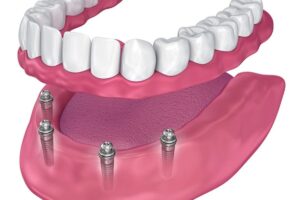
Post-Procedure Care Tips for All-on-4 Dental Implants
A full smile makeover is life-changing, and All-on-4 dental implants are among the most reliable solutions for patients seeking permanent tooth replacement. But the journey doesn’t end once the implants are in place. Proper post-procedure care is essential to ensure your new teeth heal well and last for years. Knowing how to take care of your implants from day one ...
Recent Posts
How to Choose a Dentist in Silverdale, WA
Finding a dental practice you feel comfortable visiting is an important part of maintaining your oral health. Whether you need a routine checkup, want to address a dental concern, or are exploring treatment options, choosing the right dentist can make it easier to stay consistent with your care. For individuals and families in Silverdale, WA, understanding what to look for
Emergency Dentist in Silverdale: What to Do During the First Hour
Dental emergencies rarely happen at a convenient time. A tooth can break while eating dinner. A child can fall and injure a front tooth. Severe dental pain can appear overnight. A filling or crown can come loose just before an important meeting. When something goes wrong, knowing what to do in the first hour can help protect the tooth and