
Finding a dentist isn’t just about choosing the closest office or picking the first practice that appears in a search. The right dental team can become a long-term partner in protecting your oral health, helping you make informed treatment decisions, and addressing problems before they become more complicated.
If you’re searching for a dentist in Silverdale, knowing what to evaluate can make that decision much easier. From preventive services and communication to convenience and treatment planning, here are seven factors worth considering before choosing a dental home in Silverdale, WA.
1. Look for Comprehensive Dental Services
Dental needs change throughout life. A child may need preventive visits and guidance as permanent teeth arrive, while adults may eventually require restorative or cosmetic treatment. Older adults may have concerns involving missing teeth, gum health, or existing dental restorations.
Choosing a dental office with a broad range of services means you may not need to start searching for a different practice every time your needs change.
A comprehensive practice may provide services such as:
- Routine dental examinations and cleanings
- Preventive dentistry
- Dental crowns and bridges
- Dental implants
- Dentures and partial dentures
- Root canal treatment
- Cosmetic dental treatments
- Children’s dental care
- Tooth replacement options
Clear Creek Dentistry, for example, provides preventive, restorative, cosmetic, implant, and family-oriented services for patients in the Silverdale area.
Having these options available can also make treatment planning more coordinated when more than one procedure is necessary.
2. Choose a Dentist Who Takes Time to Listen
Technical skill matters, but communication plays an equally important role in a good dental experience.
You should feel comfortable explaining what’s bothering you and asking questions without feeling rushed. A dentist should understand your concerns, goals, lifestyle, and priorities before recommending treatment.
Consider how the dental team communicates during your first interactions.
Do they explain what they’re seeing?
Do they discuss treatment alternatives?
Can they explain why a procedure is being recommended?
Do you understand what happens if treatment is postponed?
Good dental communication isn’t about using complicated terminology. It’s about giving you enough understandable information to participate confidently in decisions about your health.
This patient-centered approach is particularly useful when there is more than one reasonable way to address a dental problem.
3. Consider Preventive Care, Not Just Treatment
A good dentist shouldn’t only be there when something hurts.
Preventive dentistry aims to keep teeth and gums healthy while identifying changes early enough to address them appropriately. Regular examinations may reveal concerns that aren’t causing obvious symptoms yet.
Preventive care can include professional cleanings, dental examinations, oral hygiene recommendations, and preventive treatments based on individual risk.
Why Does Prevention Matter?
Consider a small area of tooth decay.
When detected relatively early, treatment may be straightforward. If decay continues untreated and reaches deeper layers of the tooth, the treatment needed can become more extensive.
Gum problems can follow a similar pattern. Bleeding, tenderness, or changes around the gumline deserve attention even when they aren’t painful.
When evaluating a dentist, look for a practice interested in maintaining your health rather than simply repairing problems after they become uncomfortable.
4. Pay Attention to How Treatment Options Are Explained
Imagine an adult patient has a badly damaged tooth.
There might be several possibilities depending on how much healthy tooth structure remains, the condition of the root, surrounding bone and gums, symptoms, and other clinical factors.
The best answer isn’t automatically the most extensive procedure.
A thoughtful dentist evaluates the situation, discusses appropriate options, and explains the advantages and limitations of each recommendation.
Before agreeing to treatment, you should understand:
- What problem needs to be addressed
- What treatment is being recommended
- Why that option may be appropriate
- Whether reasonable alternatives exist
- What to expect during treatment
- What follow-up care may involve
This type of transparency builds trust and helps patients make decisions based on their circumstances rather than pressure.
5. Find a Dental Office That Makes You Comfortable
Dental anxiety is common, and it shouldn’t be dismissed.
Some people haven’t visited a dentist for several years because they’re embarrassed about their teeth. Others may have experienced an uncomfortable appointment in the past and worry that the experience will repeat itself.
A supportive dental team recognizes these concerns.
Small details can make a considerable difference: listening without judgment, explaining procedures before beginning, answering questions patiently, and allowing patients to communicate when they need a pause.
If anxiety has kept you from scheduling dental care, mention it when making your appointment. It gives the office an opportunity to understand your concerns before treatment begins.
The Clear Creek Dentistry website specifically emphasizes helping patients understand procedures and feel comfortable throughout their appointments.
6. Consider Convenience for Your Silverdale Lifestyle
Quality should come first, but convenience still matters—especially for ongoing preventive care.
Think realistically about how easily dental visits will fit into your routine.
If you’re balancing work, school schedules, children, appointments, and everyday responsibilities around Silverdale and the surrounding Kitsap Peninsula, a conveniently located practice can reduce one barrier to maintaining consistent care.
Consider:
- Office location
- Appointment availability
- Ease of scheduling
- Accessibility
- Payment and insurance information
- How easy it is to contact the office
These practical details become particularly valuable when multiple family members receive care at the same practice.
A dental office can provide excellent treatment, but if visiting it is consistently difficult, maintaining routine care may become harder.
7. Think Beyond Your First Appointment
Your relationship with a dentist can potentially last for years.
That’s why choosing a dental office shouldn’t only solve today’s problem. Consider whether the practice could continue supporting you if your needs change.
For example, someone initially visiting for preventive care might eventually need a crown after damaging a tooth. Another patient might want to discuss improving the appearance of their smile. Someone who loses a tooth later in life may want to explore replacement options such as a bridge, denture, or dental implant.
Continuity has another advantage: your dental team becomes familiar with your history.
Previous examinations, dental restorations, recurring concerns, and changes over time provide useful context when evaluating your oral health.
Questions to Ask Before Choosing Your Dentist
If you’re comparing dental offices in Silverdale, don’t hesitate to ask questions before scheduling.
Start with these:
- Do you accept new patients?
- What preventive services do you provide?
- Do you treat both children and adults?
- What restorative and tooth replacement options are available?
- How does the office accommodate patients with dental anxiety?
- What insurance and payment options are accepted?
- How can I schedule an appointment?
The answers can quickly tell you whether a particular practice fits your needs.
Find Dental Care That Fits Your Needs in Silverdale
Choosing a dentist is ultimately about trust.
Look for comprehensive services, understandable communication, preventive care, thoughtful treatment planning, and an environment where you feel comfortable asking questions.
Convenience matters, too. Finding a dental practice you can realistically continue visiting makes it easier to build consistent habits and address changes in your oral health as they happen.
If you’re searching for a dentist in Silverdale, Clear Creek Dentistry provides comprehensive dental services for patients and families in the Silverdale, WA community. The practice accepts new patients and offers preventive, restorative, cosmetic, and tooth replacement services.
Schedule an appointment with Clear Creek Dentistry to discuss your dental concerns, goals, and the next steps toward maintaining a healthy smile.
FAQs
1. How do I choose a good dentist in Silverdale?
Look for a dentist who offers comprehensive services, prioritizes preventive care, explains treatment options clearly, listens to your concerns, and provides an environment where you feel comfortable. Location, appointment availability, insurance, and payment options should also factor into your decision.
2. What should I ask a new dentist at my first appointment?
Ask about your current oral health, areas that require attention, preventive recommendations, treatment options, alternatives, expected outcomes, and follow-up care. You should leave your appointment understanding what was found and what steps are recommended.
3. Should my whole family use the same dentist?
It can be convenient when a dental practice treats patients across different ages. Families may benefit from easier scheduling, centralized dental records, and familiarity with one dental team. Individual dental needs should still guide treatment decisions.
4. When should I see a dentist if nothing hurts?
Dental problems don’t always produce pain during their early stages. Routine examinations allow a dentist to monitor your teeth, gums, restorations, bite, and other aspects of oral health and identify concerns that may need attention.
5. What services should I look for in a Silverdale dentist?
Consider a practice offering preventive care alongside restorative treatments and options for addressing missing or damaged teeth. Depending on your goals, access to cosmetic dentistry and children’s dental services may also be useful.
Recent Posts

Teeth Whitening in Silverdale: What to Know Before You Start
A brighter smile can make a noticeable difference, but professional teeth whitening is not a one-size-fits-all treatment. The right approach depends on what is causing your discoloration, the condition of your teeth and gums, and whether you have dental work that will not respond to whitening. If you are considering teeth whitening in Silverdale, a dental evaluation can help you ...

What to Expect During Your First Visit to a Silverdale Dentist
Choosing a new dental office is one thing. Knowing what will actually happen when you arrive is another. If you are visiting a Silverdale dentist for the first time, you may have questions about paperwork, X-rays, the dental examination, cleaning, treatment recommendations, insurance, or what happens if the dentist discovers a problem. A first appointment should do more than identify ...

Emergency Dentist Near Me: What Should I Do in a Dental Emergency?
When a tooth suddenly breaks, severe dental pain wakes you up, or swelling develops around your mouth, finding an emergency dentist near me becomes an immediate priority. But knowing where to go is only part of the problem. You may also be wondering what to do before you reach the dental office, whether your situation can wait, and when a ...

Welcome to Clear Creek Dentistry
We are committed to providing quality service to residents located In the Silverdale, WA area. Our website has additional information about the following topics: Dentist, Cosmetic Dentist, Family Dentist, General Dentist, Aesthetic Dentist, Dental Implants, Teeth Whitening, Dental Veneers, Dentures and Dental Crowns.
Recent Posts
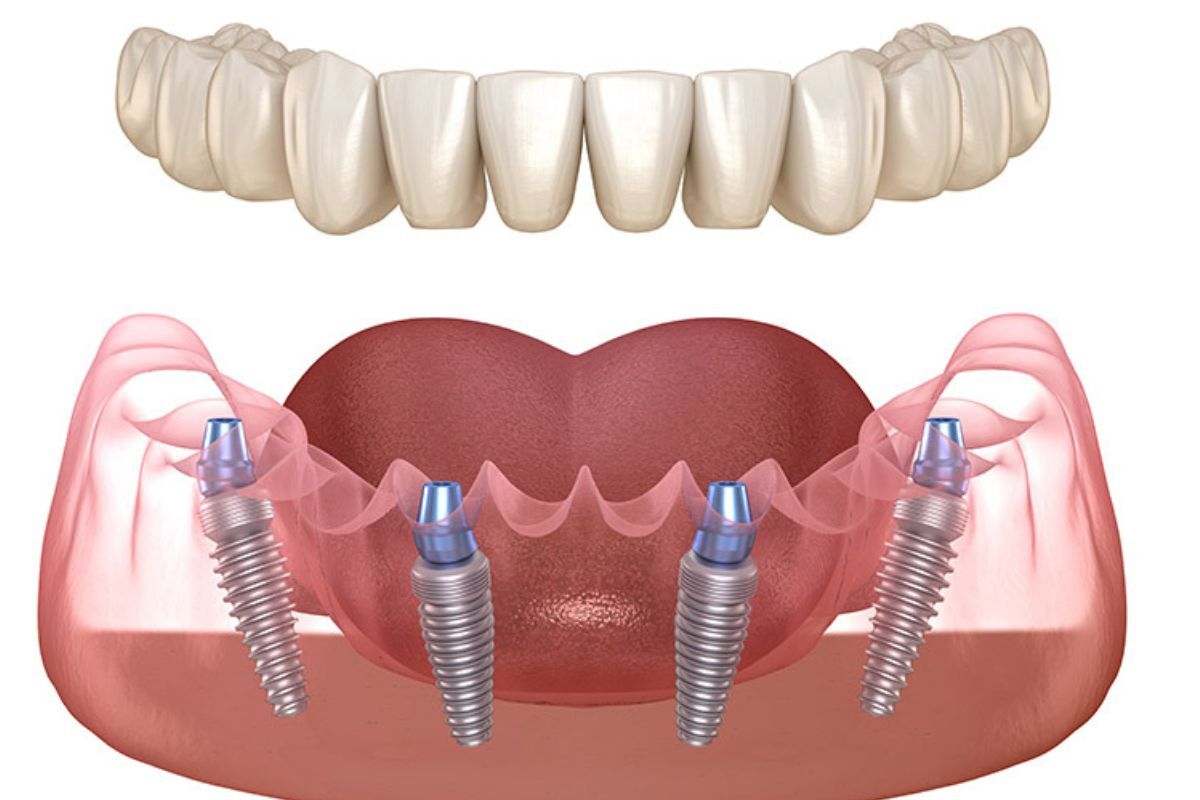
All on 4 Implants in Silverdale: What the Treatment Planning Process Looks Like
Choosing a full-arch tooth replacement is a major decision. Patients considering All on 4 implants in Silverdale often want to know more than whether the treatment can replace missing teeth—they want to understand how the dental team plans the procedure and what happens before surgery begins. All-on-4 is designed to support a full arch of replacement teeth using four strategically

Teeth Whitening in Silverdale: What to Know Before You Start
A brighter smile can make a noticeable difference, but professional teeth whitening is not a one-size-fits-all treatment. The right approach depends on what is causing your discoloration, the condition of your teeth and gums, and whether you have dental work that will not respond to whitening. If you are considering teeth whitening in Silverdale, a dental evaluation can help you