

Winter brings cozy sweaters, festive lights, and holiday treats, but for many people, it also brings sharp, sudden tooth pain. If sipping hot cocoa or breathing in cold air makes your teeth ache during the colder months, you’re not alone. Tooth sensitivity often increases during winter and Christmas, and there are several dental and environmental reasons behind it.
At Clear Creek Dentistry, we understand how uncomfortable tooth sensitivity can be—especially during the colder winter months and the holiday season. If you experience tooth sensitivity or any other dental discomfort this Christmas, don’t hesitate to contact us for prompt, compassionate care.
Schedule Your Appointment Today!

Our experienced dentists, Dr. Beck and Dr. Haws, along with our caring team, are dedicated to helping all patients feel comfortable and confident in their smiles, no matter the season.
What Is Tooth Sensitivity?
Tooth sensitivity occurs when the protective enamel on your teeth wears down or when gums recede, exposing the underlying dentin. Dentin contains tiny tubules that lead directly to the tooth’s nerve, making teeth more reactive to temperature changes, pressure, and certain foods.
Common Sensitivity Triggers
- Cold air and cold drinks
- Hot beverages like coffee or tea
- Sweet or acidic holiday treats
- Brushing or flossing
During winter, these triggers become harder to avoid.
Why Winter Makes Tooth Sensitivity Worse
Cold Air and Temperature Shifts
Cold weather causes teeth to contract slightly. When you move between chilly outdoor air and warm indoor environments, repeated expansion and contraction can stress tooth enamel and aggravate sensitivity.
Dry Winter Air
Heated indoor air during winter can dry out your mouth. Reduced saliva makes it easier for bacteria to thrive and acids to weaken enamel, increasing sensitivity over time.
The Role of Christmas Foods and Drinks
Christmas celebrations often include sugary desserts, candies, citrus fruits, wine, and carbonated drinks. These items can erode enamel and irritate already-sensitive teeth.
Even warm holiday favorites—like mulled cider or hot chocolate—can trigger discomfort if enamel is compromised.
Gum Health and Winter Sensitivity
Gums tend to become more sensitive in colder months due to reduced circulation and dryness. Receding gums expose tooth roots, which don’t have the same protective enamel as the crown of the tooth.
Signs Your Gums May Be Contributing
- Tender or swollen gums
- Bleeding while brushing
- Pain near the gumline
Ignoring gum issues during winter can worsen sensitivity well into the new year.
How to Reduce Tooth Sensitivity During Winter
Switch to a Desensitizing Toothpaste
These toothpastes help block pain signals from reaching the nerve and are especially effective when used consistently.
Adjust Your Brushing Technique
Use a soft-bristled toothbrush and gentle pressure. Aggressive brushing can wear down enamel and irritate gums.
Protect Your Teeth from Cold Air
Covering your mouth with a scarf on cold days helps reduce exposure and sudden temperature changes.
When Sensitivity Signals a Bigger Problem
Tooth sensitivity isn’t always just a minor seasonal issue. When sensitivity becomes frequent, intense, or long-lasting, it may be a sign of a more serious dental problem that needs professional attention. Persistent discomfort can indicate tooth decay, cracked or worn enamel, gum recession, or an underlying infection. In some cases, sensitivity may also be linked to old fillings, exposed tooth roots, or teeth grinding that gradually weakens the tooth structure.
Ignoring ongoing sensitivity can allow these issues to worsen over time, leading to increased pain, infection, or even tooth loss.
The Importance of Preventive Dental Care
Routine dental visits help catch small issues before they become painful problems. Professional cleanings remove plaque buildup that weakens enamel and irritates gums—both major contributors to sensitivity.
Winter is actually an ideal time to focus on prevention, especially before holiday indulgences take a toll on your smile.
“Dr. Beck is far more thorough than any dentist I’ve had and is so kind. He’s great at explaining things and taking my preferences into account. The staff are all friendly and professional and the office is peaceful and clean. Highly recommend!” – C. Bovet
Want to know what others think? Check out our patients’ Google reviews and feel confident in your choice.
Don’t Let Winter Steal Your Smile
Tooth sensitivity during winter and Christmas is common, but it doesn’t have to be part of your holiday experience. With proper care, smart habits, and timely professional guidance, you can enjoy seasonal foods and warm drinks without discomfort.
At Clear Creek Dentistry, we’re committed to helping patients protect their smiles year-round. If winter tooth sensitivity is interfering with your comfort. If you’re in Silverdale, WA, schedule your visit today and take the first step toward a healthier, pain-free smile this season.
FAQs On Tooth Sensitivity During Winter & Christmas
1. Why do my teeth hurt more in cold weather?
Cold temperatures cause teeth to contract, triggering sensitivity in exposed dentin.
2. Is winter tooth sensitivity permanent?
No, it’s often temporary but, should be evaluated if it persists.
3. Can holiday sweets cause tooth sensitivity?
Yes, sugar and acids weaken enamel and increase sensitivity.
4. Does dry mouth make sensitivity worse?
Yes, less saliva allows enamel damage and bacterial growth.
5. Can stress cause tooth sensitivity?
Teeth grinding from stress wears enamel and increases pain.
6. Should I avoid cold foods if I have sensitivity?
Limiting extreme temperatures can help reduce discomfort.
7. When should I see a dentist for sensitivity?
If pain lasts more than a few days or worsens, schedule a dental visit.
Recent Posts
Restore Your Smile With Dental Crowns: What You Should Know
Restoring a smile does not need to be complicated; in fact, a dental crown makes tooth repair simple in many cases. From chips and cracks to restoring damage from cavities, it can serve as a new biting surface for the tooth. Since it can mimic natural tooth material, other people will not be able to tell that you have had a crown ...
4 Reasons to Get General Dentistry Preventive Treatments
General dentistry focuses on routine oral health care for patients of all ages. This includes oral maintenance such as cleanings and examinations, as well as general treatments and preventive care. Preventive care often gets overlooked as it relates to general dentistry, however, it plays a key role in oral health. Keep reading to learn more about the importance of preventive dental care. ...
How a General Dentist May Treat Your Cavity
General dentists are the go-to dental professional to see when a cavity arises. They are trained and equipped to offer an array of treatment options, all of which restore the tooth so that it can be healthy and strong. Cavity treatment options Outlined below are a few ways that a general dentist may treat a cavity. Reviewing the following procedures may be helpful ...

How to Prepare for a Professional Dental Cleaning
Done regularly, dental cleanings contributes to a person’s long-term oral health. Professional teeth cleaning removes plaque buildup, targeting hard-to-reach spots that you may miss when you brush and floss. Usually, professional dental cleaning takes place in two contexts, the first being a routine checkup. General dentists incorporate teeth cleaning into routine dental visits after they examine the teeth and give their patients a ...
Recent Posts
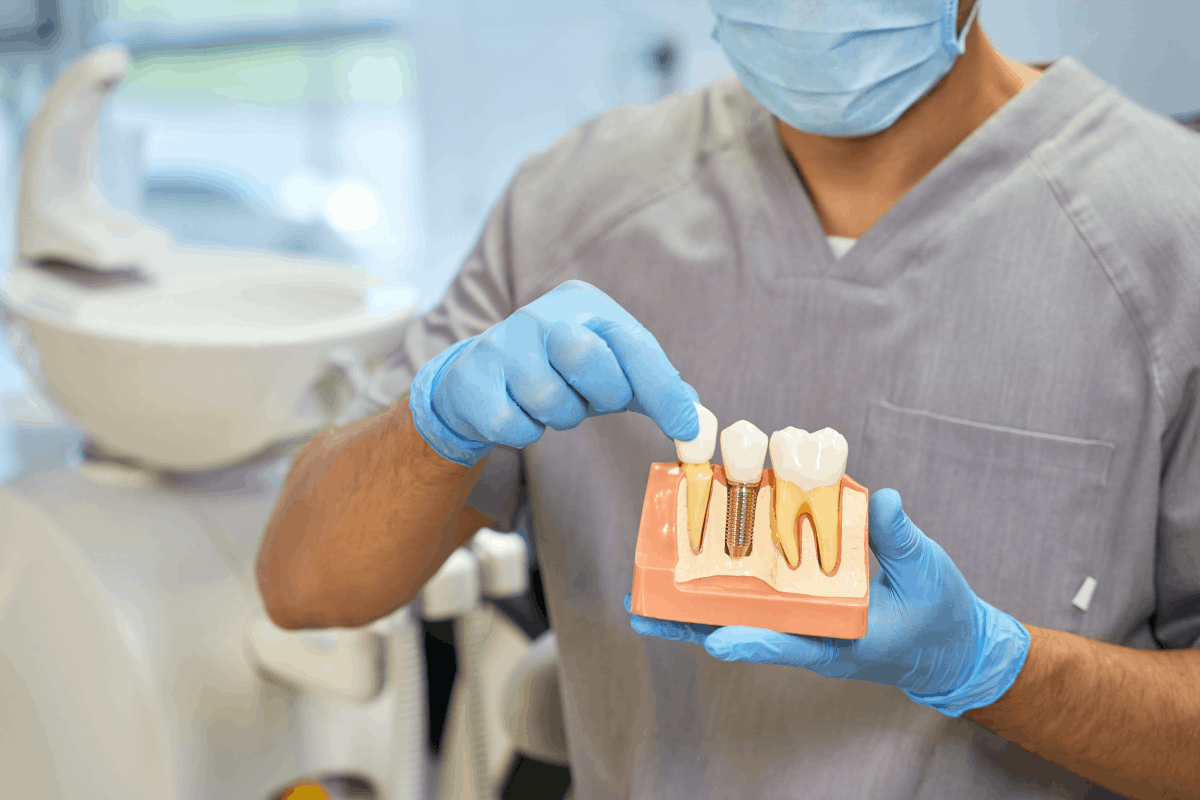
Dental Implants: A Guide to Replacing Missing Teeth
Missing teeth can affect your ability to chew comfortably, speak clearly, and feel confident about your smile. Fortunately, modern tooth replacement options can help restore both function and appearance. Among these options, dental implants provide a stable foundation for replacement teeth and can be a long-term solution for patients who meet the treatment requirements. At Clear Creek Dentistry in Silverdale,
How to Choose a Dentist in Silverdale, WA
Finding a dental practice you feel comfortable visiting is an important part of maintaining your oral health. Whether you need a routine checkup, want to address a dental concern, or are exploring treatment options, choosing the right dentist can make it easier to stay consistent with your care. For individuals and families in Silverdale, WA, understanding what to look for