
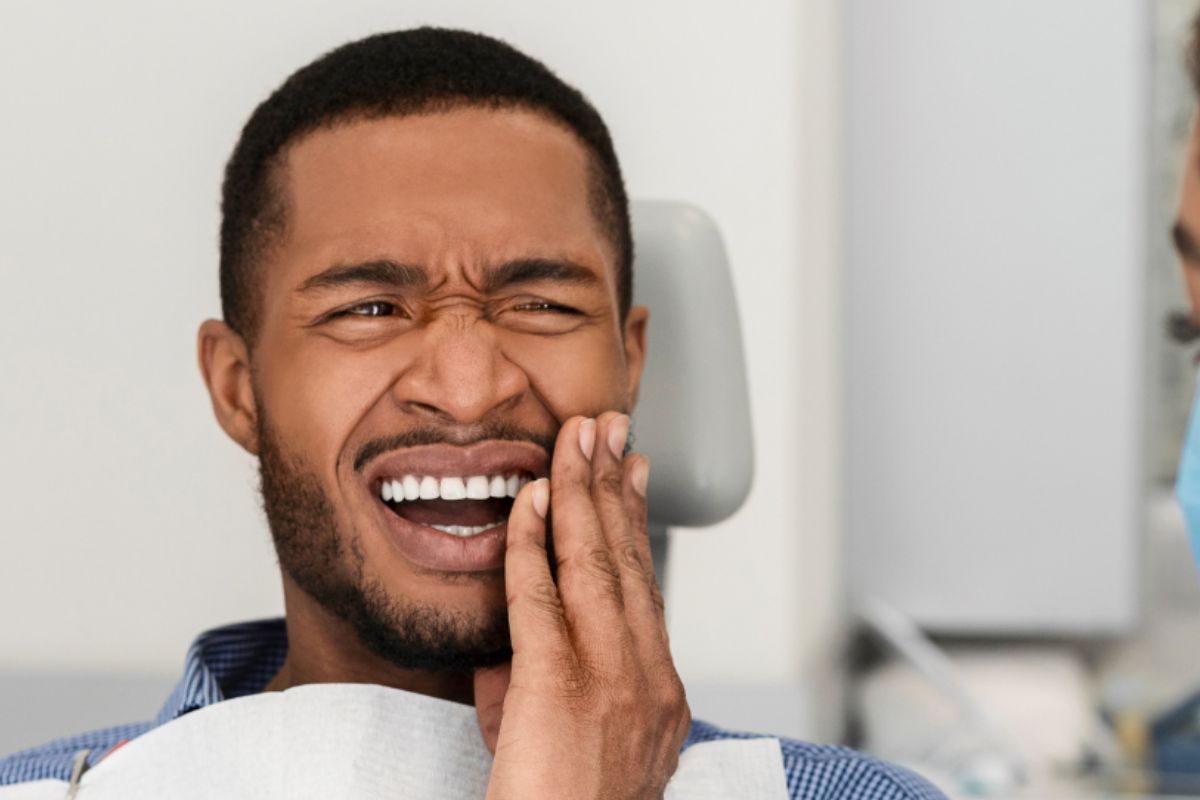
When a tooth suddenly breaks, severe dental pain wakes you up, or swelling develops around your mouth, finding an emergency dentist near me becomes an immediate priority.
But knowing where to go is only part of the problem. You may also be wondering what to do before you reach the dental office, whether your situation can wait, and when a trip to the emergency room is more appropriate.
Taking the right steps early can help protect your tooth, reduce discomfort, and prevent a dental problem from becoming more complicated.
What Is Considered a Dental Emergency?
A dental emergency is generally an oral health problem that needs prompt professional attention. Delaying treatment may allow pain, infection, bleeding, or damage to become worse.
Common examples include:
- Severe or persistent tooth pain
- A significantly broken or cracked tooth
- A knocked-out permanent tooth
- Facial or gum swelling
- A dental abscess
- Uncontrolled bleeding after an oral injury
- A loose or displaced permanent tooth
- A lost filling or crown accompanied by significant pain
Not every dental problem requires immediate treatment. However, if you are experiencing significant pain, swelling, bleeding, or damage to a tooth, it is better to contact a dental office and explain what is happening rather than trying to determine the severity on your own.
What Should I Do for a Severe Toothache?
A sudden or worsening toothache can have several causes, including tooth decay, damage, or infection.
You may also notice:
- Throbbing pain
- Sensitivity to hot or cold
- Pain when biting down
- Swelling around the tooth
- A bad taste in your mouth
- Swelling of the face or jaw
Do not simply wait for severe dental pain to disappear. Pain can temporarily improve even when the underlying problem remains.
While arranging dental care, avoid chewing on the painful side and keep the area as clean as possible. If swelling is present, a cold compress applied to the outside of the face may help with discomfort.
A dentist can examine the tooth and determine what is causing the pain and what treatment is appropriate.
What Should I Do If I Break a Tooth?
A broken tooth can range from a small chip to a more serious fracture.
If a large piece of the tooth breaks off, the tooth is painful, or you notice bleeding or significant damage, contact an emergency dentist promptly.
Before your appointment:
- Rinse your mouth gently with water.
- Avoid chewing on the damaged side.
- Save any larger tooth fragments you can find.
- Apply a cold compress if swelling develops.
- Do not place aspirin directly against the tooth or gums.
- Do not try to glue the broken piece back onto the tooth.
The dentist will evaluate the extent of the damage and determine whether the tooth can be repaired with a restoration or requires another type of treatment.
What If a Permanent Tooth Gets Knocked Out?
A knocked-out permanent tooth requires particularly prompt attention.
If you can find the tooth, handle it by the crown—the part normally visible in your mouth—not by the root. If necessary, gently rinse it without scrubbing the root.
The important thing is to keep the tooth moist and seek dental care as quickly as possible.
Clear Creek Dentistry advises patients with a knocked-out tooth to locate it, rinse it without scrubbing, keep it in milk, and bring it with them to the dental appointment.
Do not delay while trying to determine whether the tooth can be saved. A dental professional needs to evaluate the injury as soon as possible.
Should I Go to the ER or a Dentist?
Many dental emergencies can be evaluated and treated by a dentist. However, some symptoms indicate a broader medical emergency.
Seek emergency medical attention if you have symptoms such as:
- Difficulty breathing
- Difficulty swallowing
- Severe or rapidly spreading facial swelling
- Major facial or head trauma
- Loss of consciousness
- Uncontrolled bleeding
- A serious jaw injury
If a dental injury happened during a car accident or another significant accident, you may need medical evaluation for other injuries in addition to dental treatment.
When the situation is life-threatening, call 911 or go to the nearest emergency department.
What Should I Tell an Emergency Dentist Near Me?
When you call a dental office, give the team as much useful information as possible.
Explain:
- What happened
- When the problem started
- Where you are experiencing pain
- How severe the pain is
- Whether there is swelling
- Whether you are bleeding
- Whether a tooth is broken, loose, or missing
- Whether you experienced an accident or other injury
This information helps the dental team understand the situation and determine the appropriate next step.
If you are already a patient at a dental office, knowing how to contact the practice for urgent concerns can save valuable time when an unexpected problem occurs.
What Treatment Might an Emergency Dentist Provide?
Emergency dental treatment depends on the cause of the problem.
After examining you, the dentist may recommend treatment such as:
- A temporary restoration
- A dental filling
- A dental crown
- Root canal treatment
- Treatment for an infection or abscess
- Repair of a damaged tooth
- Stabilization of an injured tooth
- Tooth extraction when a tooth cannot be predictably saved
The immediate goal is to address the source of the problem and protect your oral health. Simply masking the pain without treating its cause may allow the underlying issue to continue.
Don’t Wait Until a Small Problem Becomes an Emergency
Some dental emergencies start as problems that could have been treated earlier.
A small cavity, damaged filling, or cracked tooth may become more painful or difficult to restore if treatment is delayed. Regular dental checkups can help identify problems before they become urgent.
If you notice a change in a tooth, persistent sensitivity, discomfort when biting, or swelling, contact your dentist rather than waiting for the symptoms to become severe.
Emergency Dental Care in Silverdale
If you are searching for an emergency dentist near me in Silverdale, Clear Creek Dentistry provides emergency dental services at its office on NW Myhre Road.
The practice provides emergency, general, restorative, implant, cosmetic, and family dental care for patients in Silverdale and surrounding Kitsap County communities.
If you have a dental emergency, call (360) 692-6332 and explain what is happening. The sooner the dental team understands your situation, the sooner you can determine the appropriate next step.
FAQs About Emergency Dental Care
What should I do if I suddenly need an emergency dentist near me?
Call a nearby dental office and describe your symptoms or injury. Severe pain, significant swelling, major tooth damage, bleeding, and knocked-out teeth should be evaluated promptly.
Is a severe toothache a dental emergency?
It can be. Severe or worsening dental pain may indicate decay, infection, or another problem that requires urgent attention.
What should I do if I knock out a permanent tooth?
Handle the tooth by the crown, gently rinse it if necessary without scrubbing the root, keep it moist, and seek dental care immediately.
Should I go to the ER or an emergency dentist?
A dentist can handle many dental emergencies. However, difficulty breathing, difficulty swallowing, severe facial swelling, major trauma, uncontrolled bleeding, or other serious medical symptoms may require emergency medical care.
Can a broken tooth wait until my next dental appointment?
It depends on the extent of the damage. A small, painless chip may not require emergency treatment, while significant fractures, pain, bleeding, or exposed tooth structure should be evaluated promptly.
Recent Posts

Teeth Whitening in Silverdale: What to Know Before You Start
A brighter smile can make a noticeable difference, but professional teeth whitening is not a one-size-fits-all treatment. The right approach depends on what is causing your discoloration, the condition of your teeth and gums, and whether you have dental work that will not respond to whitening. If you are considering teeth whitening in Silverdale, a dental evaluation can help you ...
What to Expect During Your First Visit to a Silverdale Dentist
Choosing a new dental office is one thing. Knowing what will actually happen when you arrive is another. If you are visiting a Silverdale dentist for the first time, you may have questions about paperwork, X-rays, the dental examination, cleaning, treatment recommendations, insurance, or what happens if the dentist discovers a problem. A first appointment should do more than identify ...
How to Choose a Dentist in Silverdale: 7 Things to Look For
Finding a dentist isn’t just about choosing the closest office or picking the first practice that appears in a search. The right dental team can become a long-term partner in protecting your oral health, helping you make informed treatment decisions, and addressing problems before they become more complicated. If you’re searching for a dentist in Silverdale, knowing what to evaluate ...
Welcome to Clear Creek Dentistry
We are committed to providing quality service to residents located In the Silverdale, WA area. Our website has additional information about the following topics: Dentist, Cosmetic Dentist, Family Dentist, General Dentist, Aesthetic Dentist, Dental Implants, Teeth Whitening, Dental Veneers, Dentures and Dental Crowns.
Recent Posts
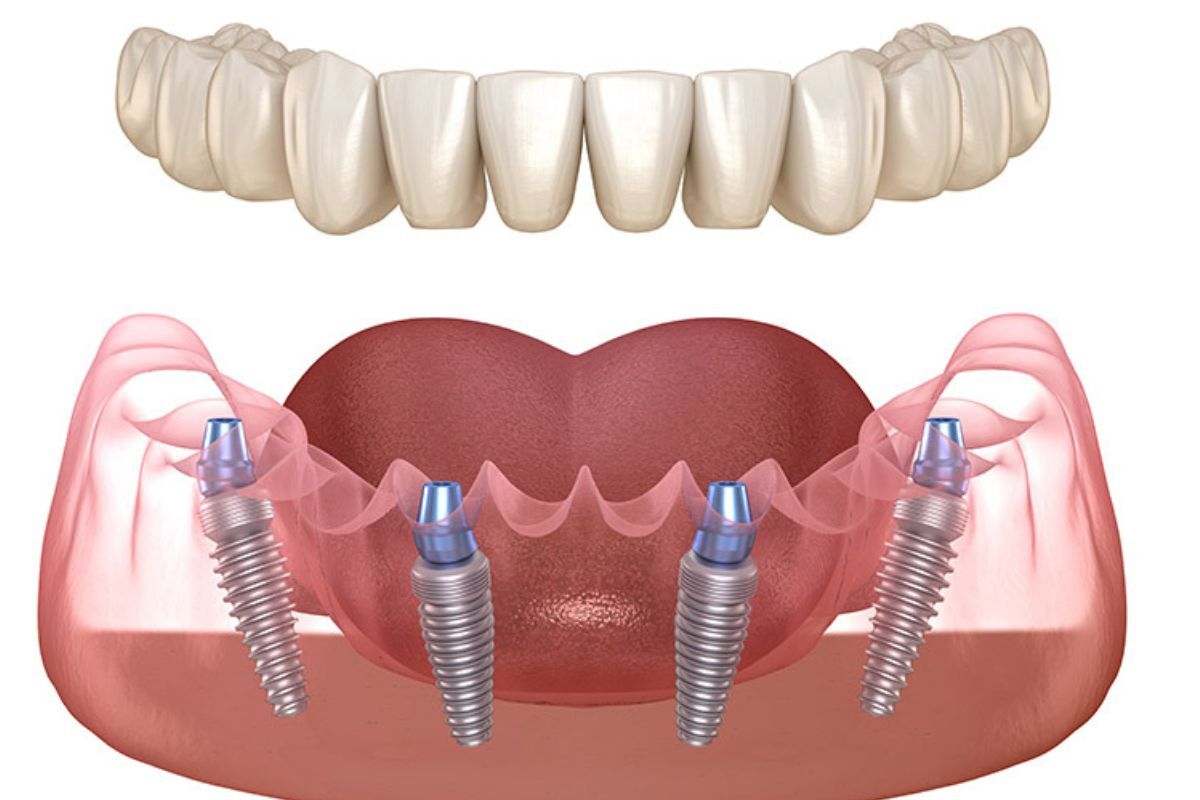
All on 4 Implants in Silverdale: What the Treatment Planning Process Looks Like
Choosing a full-arch tooth replacement is a major decision. Patients considering All on 4 implants in Silverdale often want to know more than whether the treatment can replace missing teeth—they want to understand how the dental team plans the procedure and what happens before surgery begins. All-on-4 is designed to support a full arch of replacement teeth using four strategically
Teeth Whitening in Silverdale: What to Know Before You Start
A brighter smile can make a noticeable difference, but professional teeth whitening is not a one-size-fits-all treatment. The right approach depends on what is causing your discoloration, the condition of your teeth and gums, and whether you have dental work that will not respond to whitening. If you are considering teeth whitening in Silverdale, a dental evaluation can help you