
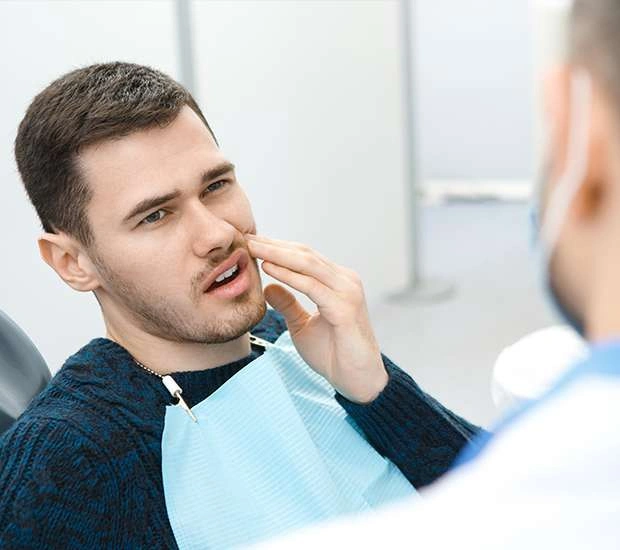
Post-Op Care for Dental Implants
Silverdale, WAAt Clear Creek Dentistry, we can provide you with information regarding post-op care for dental implants. This is the most durable and natural-looking way to replace your missing teeth, but it requires oral surgery, meaning there is a recovery process that must be taken into consideration. When you visit our Silverdale, WA dental office, we can conduct an examination, take X-rays, and let you know what to expect from the implants procedure. This also includes what to expect during your recovery process. For more information, we encourage you to call (360) 692-6332 and schedule an appointment with Dr. Beck and Dr. Haws. In the meantime, here is what you should know.
What happens before the implant procedure?
Prior to getting started, we will conduct an examination to determine if you have cavities or infections in any of your other teeth or if you have gum disease. If so, these things will need to be treated prior to placing implants. It is critical that you start the process in good oral health. This initial exam and X-rays will also determine if you have sufficient bone density to support dental implants. If you do not, you may need a bone grafting procedure prior to getting started.
Is there anything that can slow down the recovery process?
Yes, if you are a diabetic and have been unable to control your blood sugar, it can make it more difficult to recover from the procedure. This makes it important to let us know if you have had a diabetic episode recently, so we can coordinate the timing of your implant surgery for the best possible results.
How should I prepare for the surgery?
In our Silverdale dental office, we encourage patients to place some soft ice packs in the freezer. Using them, along with taking ibuprofen, can help to reduce swelling. You should also buy soft foods to eat and plan on taking a couple of days off work. Your gums will be swollen and sore for a few days, so while you will be able to work, you will not be feeling 100 percent and may have difficulty communicating like normal. If you need to work, ask if you can have light duty for a few days or if you can work from home.
What can I eat afterward?
At Clear Creek Dentistry, we recommend you eat soft foods that are not too hot or too cold. For example, you should buy yogurt, soft cheese, ice cream, soup to eat at a warm temperature, and fruit to make smoothies. This way, you can receive the nutrition you need without irritating your gums. You can slowly begin to add normal food back into your diet, but should avoid eating anything hard, sharp, or difficult to chew for several days. For example, eat a hamburger without the bacon or an omelet instead of waffles. During your recovery, you need to make these simple adjustments that allow you to eat what you need without exposing your gums to anything harmful.
Do I need to do anything to treat the site of the surgery or my gums in general?
We will provide you with gauze before you leave our Silverdale, WA dental office. It is natural to experience some bleeding. Before you leave, we will ensure that any bleeding is at a manageable level, and by using gauze for the remainder of the day, it should stop. You also need to take steps to keep your gums clean, so we may provide you with a medicated rinse. Otherwise, you can rinse your mouth with warm saltwater throughout the day. You should also brush your remaining teeth, but be careful not to irritate your gums while doing so.
When will it be safe to go back to work?
You can expect to be sore and have swelling for three to five days. This is why we recommend having the procedure toward the end of the week so you can take a couple of days off work and use the weekend to recover. Generally, if you have the procedure on a Thursday, you should feel normal by Tuesday. If you go back to work sooner, be advised that you may not want to schedule any important meetings or client appointments, but stick with light work and email communication.
Will it be obvious that I had implant surgery?
Yes, for the first couple of days, your face will be swollen. While no one will be able to tell what type of oral surgery you had, it will be clear that you had a procedure. Do not worry, this is perfectly normal. While it can be inconvenient for a few days, the end result is worth it because you will have a natural-looking and durable replacement tooth. At Clear Creek Dentistry, we also provide our patients with a temporary denture to wear. This will restore the appearance of your smile while you are waiting for the crown to be attached. If you live in the Silverdale area and want a discreet solution, wearing a temporary denture is a must.
What is the recovery process like when the tooth is attached?
Once the titanium implant and your jawbone have fused together, your jaw will provide a base of sturdy support for your replacement tooth. Essentially, it will be as strong as a natural tooth would be. Since the invasive portion of the procedure takes place when we surgically implant the post, attaching the crown is not an issue. You may feel some slight sensitivity in your gums, but this will be minor and easy to control with ibuprofen. There will be no swelling or extensive recovery associated with this aspect of the process. You will most likely only need to go through the recovery stage once.
Questions Answered on This Page
People Also Ask
Definition of Dental Implant Terminology
- Abutment
An abutment is a component that attaches to the dental implant so a professional can place a dental crown to provide patients with an artificial, aesthetically pleasing and fully-functional smile. - Analgesics
Analgesics are any number of painkillers or drugs that help to relieve pain and achieve a state known as analgesia. - Antibiotics
Antibiotics can include a variety of antibacterial medications that treat different forms of bacterial infections. - Bridge
Multiple replacement teeth that are fixed in place via attachment to dental implants, natural adjacent teeth, or a combination of the two. - Bone Graft
A bone graft is a surgical procedure replacing missing bone to repair bone fractures and other issues. - Bruising
Bruising can occur on the enamel of the teeth from a variety of factors including clenching the teeth, biting nails, grinding teeth at night or an infection. - Chlorohexidine
Chlorhexidine is a common type of prescription mouthwash that dentists use to help patients clean their teeth. - Dental Crown
A crown is an artificial tooth, usually consisting of porcelain, which covers the top of the implant to provide people with an aesthetically pleasing and fully-functional tooth. - Dental Implant
A dental implant is an artificial tooth root that is placed into your jaw to hold a replacement tooth or bridge. Dental implants may be an option for people who have lost a tooth or teeth due to periodontal disease, an injury, or some other reason. - Dissolvable Stitches
Dissolvable (absorbable) stitches will close wounds or surgical openings that professionals make inside the body. These stitches will eventually break down over time without causing harm to the body. - Endosteal (endosseous)
Endosteal is a type of dental implant that a professional places in the alveolar and basal bone of the mandible that transcends only one cortical plate. - Eposteal (subperiosteal)
Eposteal is a type of dental implant that conforms to whichever edentulous surface of an alveolar bone is superior. - Gingiva
Gingiva is another term that refers to the gum tissue in the mouth that surrounds the teeth. - Implant-Supported Bridge
An implant-supported bridge is a dental bridge that professionals fix in place with the use of dental implants inserted in the jaw to create a sturdy set of artificial teeth. - Local Anesthetic
Local anesthetic is anesthesia that dental professionals apply to one specific spot, such as the upper/lower lip or gums. - Osseointegration
Osseointegration is the process in which a titanium dental implant fuses with the surrounding bone over several months after an oral health professional places the implant in the jaw. - Periodontal
Literally “around the tooth” - Resorption
Resorption is the process in which the body absorbs the calcium from the jaw since there are no tooth roots to cause the necessary stimulation and proceeds to use the calcium in other areas. - Smoking and Implant Failure
Smoking can be a direct result of dental implant failure and one of the many reasons that people need to seek implant restorations. - Swelling
When the gums are infected or inflamed, swelling is likely to occur. It is important to seek professional treatment to remedy swelling gums. - Transosteal (transosseous)
Transosteal is a type of dental implant that includes threaded posts which penetrate the superior and inferior cortical bone plates of the jaw.
Helpful Related Links
- American Dental Association (ADA). Glossary of Dental Terms. 2015
- American Academy of Cosmetic Dentistry® (AACD). Home Page. 2015
- WebMD. WebMD’s Oral Care Guide. 2015
About our business, license, and website security
- Clear Creek Dentistry was established in 2008.
- We accept the following payment methods: American Express, Cash, Check, Discover, MasterCard, and Visa.
- We serve patients from the following counties: Kitsap County.
- We serve patients from the following cities: Silverdale, Poulsbo, Bremerton, Port Orchard, Kingston, and Bainbridge Island.
- Norton Safe Web. View Details
- Trend Micro Site Safety Center. View Details
Back to top of Post-Op Care for Dental Implants
Related Topics
Recent Posts
[recent_custom_posts cat="dental-implants-cat"]