
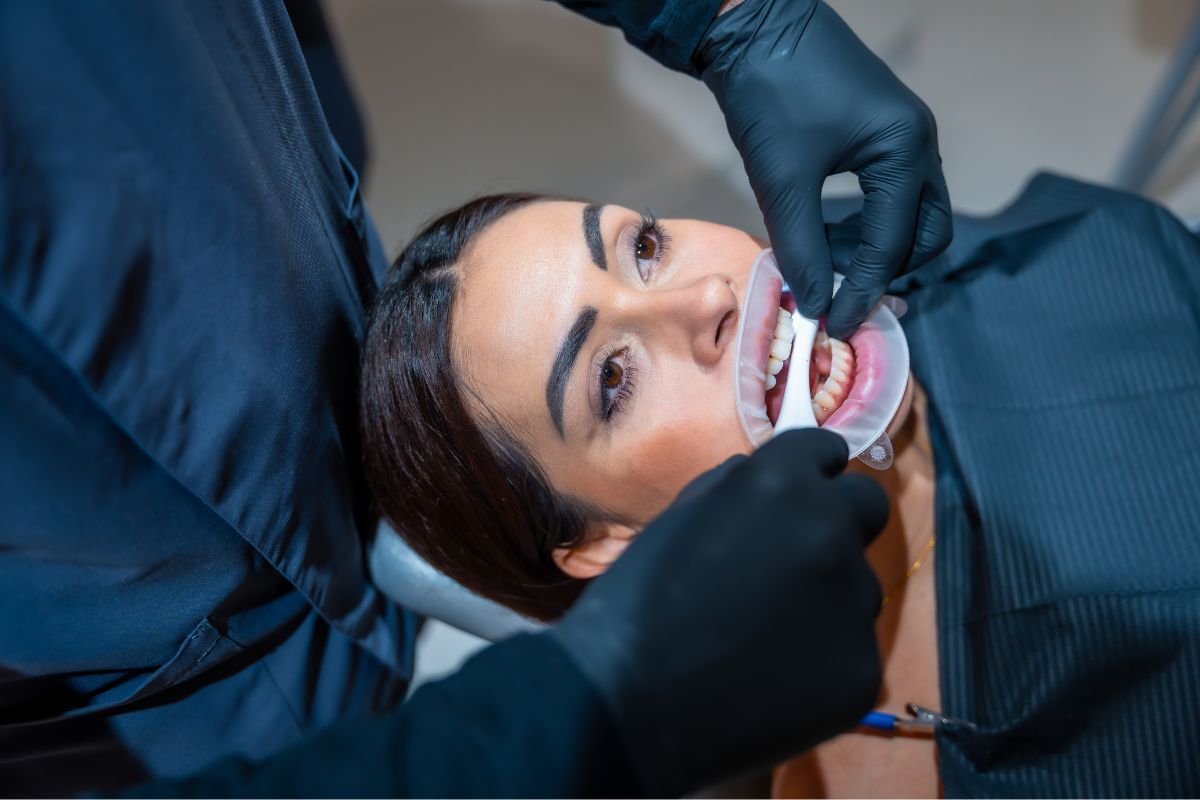
A brighter smile can make a noticeable difference, but professional teeth whitening is not a one-size-fits-all treatment. The right approach depends on what is causing your discoloration, the condition of your teeth and gums, and whether you have dental work that will not respond to whitening.
If you are considering teeth whitening in Silverdale, a dental evaluation can help you avoid an uneven result and make sure whitening is appropriate for your smile.
At Clear Creek Dentistry, cosmetic treatment is planned around the patient’s oral health, goals, and individual needs rather than simply applying a whitening product. The practice offers professional teeth whitening as part of its cosmetic dental services.
What Causes Teeth to Look Darker or Yellow?
Tooth discoloration can develop for several reasons. Some stains sit on the outside of the tooth, while others develop deeper within the tooth structure.
Common contributors include:
- Coffee, tea, red wine, and other strongly pigmented foods and drinks
- Tobacco use
- Natural aging
- Certain medications or illnesses
- Trauma to a tooth
- Changes within the tooth over time
- Plaque and tartar buildup
Surface staining may respond particularly well to professional whitening. Deeper discoloration can be more complicated and may require a different cosmetic approach.
That distinction matters because whitening is designed to change the color of natural tooth structure. It does not repair decay, replace missing enamel, or correct every cause of discoloration.
Will Whitening Change Crowns, Fillings, or Veneers?
This is one of the most important questions to ask before treatment.
Professional whitening changes the color of natural teeth, but tooth-colored restorations such as crowns, veneers, and composite fillings do not whiten in the same way. The American Dental Association specifically notes that restorations are not lightened by bleaching treatment.
For example, imagine you have a porcelain crown on one front tooth and natural enamel on the neighboring tooth. If the natural tooth becomes several shades lighter while the crown stays the same color, the two teeth may no longer match.
That does not mean whitening is impossible. It simply means your dentist should consider existing restorations when developing your cosmetic treatment plan.
A Better Way to Plan Cosmetic Treatment
If you have visible crowns, veneers, or fillings, your dentist may discuss the order in which cosmetic treatments should be completed.
In some situations, whitening natural teeth before replacing a visible restoration can make sense because the new restoration can then be designed to coordinate with the brighter shade.
The exact sequence depends on your teeth, existing dental work, and overall treatment goals.
What About Tooth Sensitivity?
Temporary sensitivity is one of the most common side effects associated with vital tooth whitening. Some people notice a brief reaction to cold air, beverages, or foods after treatment. Gum irritation can also occur.
That is why your dental history matters.
Tell your dentist if you already experience:
- Sensitivity to cold
- Gum recession
- Tender or bleeding gums
- Cracked or damaged teeth
- Recent dental treatment
- Pain when biting
Sensitivity does not automatically rule out whitening. Instead, it gives your dental team information they can use when determining whether and how whitening should be performed.
Why a Dental Exam Comes Before Professional Whitening
It can be tempting to treat whitening like a simple cosmetic purchase. But discoloration can sometimes be a symptom of an underlying dental problem.
The ADA recommends an appropriate clinical evaluation before bleaching because an examination can help identify factors contributing to tooth discoloration and assess whether whitening is appropriate.
For example, if one tooth has suddenly become darker than the others, simply whitening the entire smile may not address the reason for the color change.
A dental examination can also identify cavities, gum problems, worn enamel, or other concerns that should be addressed before cosmetic treatment.
Professional Whitening vs. Store-Bought Products
Over-the-counter whitening products are widely available, but professional treatment offers an important advantage: your treatment can be selected in the context of your actual dental condition.
Professional whitening may be appropriate for someone who wants a more controlled cosmetic treatment and has healthy teeth and gums.
An at-home product may be less suitable if you have untreated dental problems, significant sensitivity, or extensive dental restorations.
The goal should not simply be “the whitest smile possible.” A good cosmetic result should look natural and fit the rest of your smile.
How to Protect Your Whitening Results
Whitening is not a permanent change. Everyday habits can gradually introduce new staining.
After treatment, patients can help maintain their results by:
- Brushing twice a day with fluoride toothpaste
- Cleaning between the teeth daily
- Keeping regular dental cleaning appointments
- Limiting frequent exposure to heavily pigmented foods and beverages
- Avoiding tobacco
- Following the whitening maintenance plan recommended by their dentist
Professional dental cleanings are also useful because they remove plaque and calculus that regular brushing cannot fully eliminate.
What Should Silverdale Patients Ask Before Whitening?
Before beginning treatment, ask your dentist:
- What is causing my discoloration?
- Are my teeth and gums healthy enough for whitening?
- Do I have crowns, veneers, or fillings that may not change color?
- How should sensitivity be managed?
- Would whitening or another cosmetic treatment produce the better result?
Those questions can turn whitening from a quick cosmetic decision into a well-planned part of your overall smile care.
Choosing Teeth Whitening in Silverdale
If you are researching teeth whitening in Silverdale, start with the condition of your teeth rather than the strength of a whitening product.
Clear Creek Dentistry takes a comprehensive approach to dental care and offers professional teeth whitening alongside restorative and cosmetic services. The team can evaluate your smile, discuss your goals, and explain which options make sense for your situation.
A brighter smile should also be a healthy smile. If you are ready to find out whether professional whitening is right for you, schedule a consultation with Clear Creek Dentistry in Silverdale.
FAQs
Is professional teeth whitening safe for natural teeth?
When appropriately selected and performed, professional whitening is generally considered a safe cosmetic treatment. Temporary sensitivity and gum irritation are among the most common side effects.
Can teeth whitening whiten crowns or veneers?
No. Whitening affects natural teeth, not tooth-colored restorations such as crowns and veneers. Your dentist can help plan treatment if you have visible restorations.
Why should I see a dentist before whitening?
An examination can identify the cause of discoloration and check for problems such as decay, gum disease, or other conditions that may need attention before whitening.
How long does professional teeth whitening take?
Treatment time depends on the whitening method selected and your individual smile. Your dental team can explain the expected timeline during your consultation.
What if I already have sensitive teeth?
Tell your dentist before whitening. Existing sensitivity can affect treatment planning, and your dentist can determine whether whitening is appropriate and how to minimize discomfort.
Recent Posts
What to Expect During Your First Visit to a Silverdale Dentist
Choosing a new dental office is one thing. Knowing what will actually happen when you arrive is another. If you are visiting a Silverdale dentist for the first time, you may have questions about paperwork, X-rays, the dental examination, cleaning, treatment recommendations, insurance, or what happens if the dentist discovers a problem. A first appointment should do more than identify ...

Emergency Dentist Near Me: What Should I Do in a Dental Emergency?
When a tooth suddenly breaks, severe dental pain wakes you up, or swelling develops around your mouth, finding an emergency dentist near me becomes an immediate priority. But knowing where to go is only part of the problem. You may also be wondering what to do before you reach the dental office, whether your situation can wait, and when a ...
How to Choose a Dentist in Silverdale: 7 Things to Look For
Finding a dentist isn’t just about choosing the closest office or picking the first practice that appears in a search. The right dental team can become a long-term partner in protecting your oral health, helping you make informed treatment decisions, and addressing problems before they become more complicated. If you’re searching for a dentist in Silverdale, knowing what to evaluate ...
Welcome to Clear Creek Dentistry
We are committed to providing quality service to residents located In the Silverdale, WA area. Our website has additional information about the following topics: Dentist, Cosmetic Dentist, Family Dentist, General Dentist, Aesthetic Dentist, Dental Implants, Teeth Whitening, Dental Veneers, Dentures and Dental Crowns.
Recent Posts
Teeth Whitening in Silverdale: What to Know Before You Start
A brighter smile can make a noticeable difference, but professional teeth whitening is not a one-size-fits-all treatment. The right approach depends on what is causing your discoloration, the condition of your teeth and gums, and whether you have dental work that will not respond to whitening. If you are considering teeth whitening in Silverdale, a dental evaluation can help you
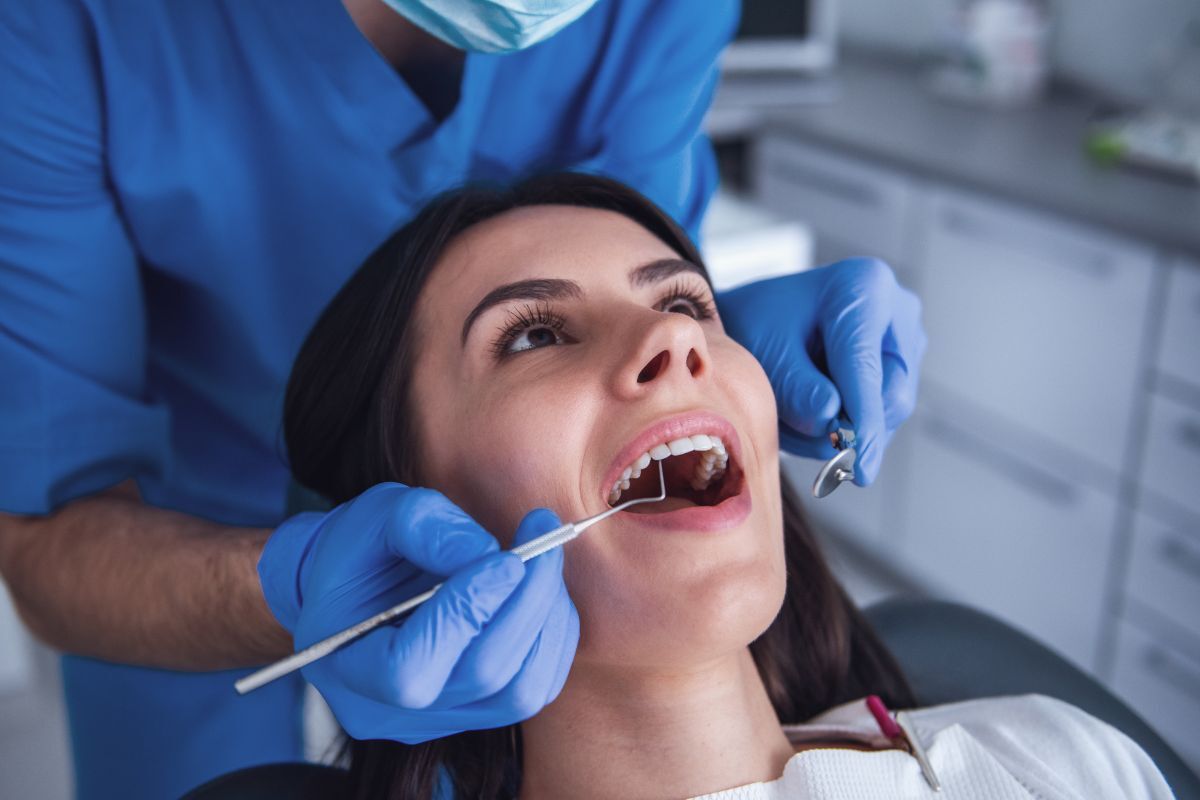
What to Expect During Your First Visit to a Silverdale Dentist
Choosing a new dental office is one thing. Knowing what will actually happen when you arrive is another. If you are visiting a Silverdale dentist for the first time, you may have questions about paperwork, X-rays, the dental examination, cleaning, treatment recommendations, insurance, or what happens if the dentist discovers a problem. A first appointment should do more than identify